
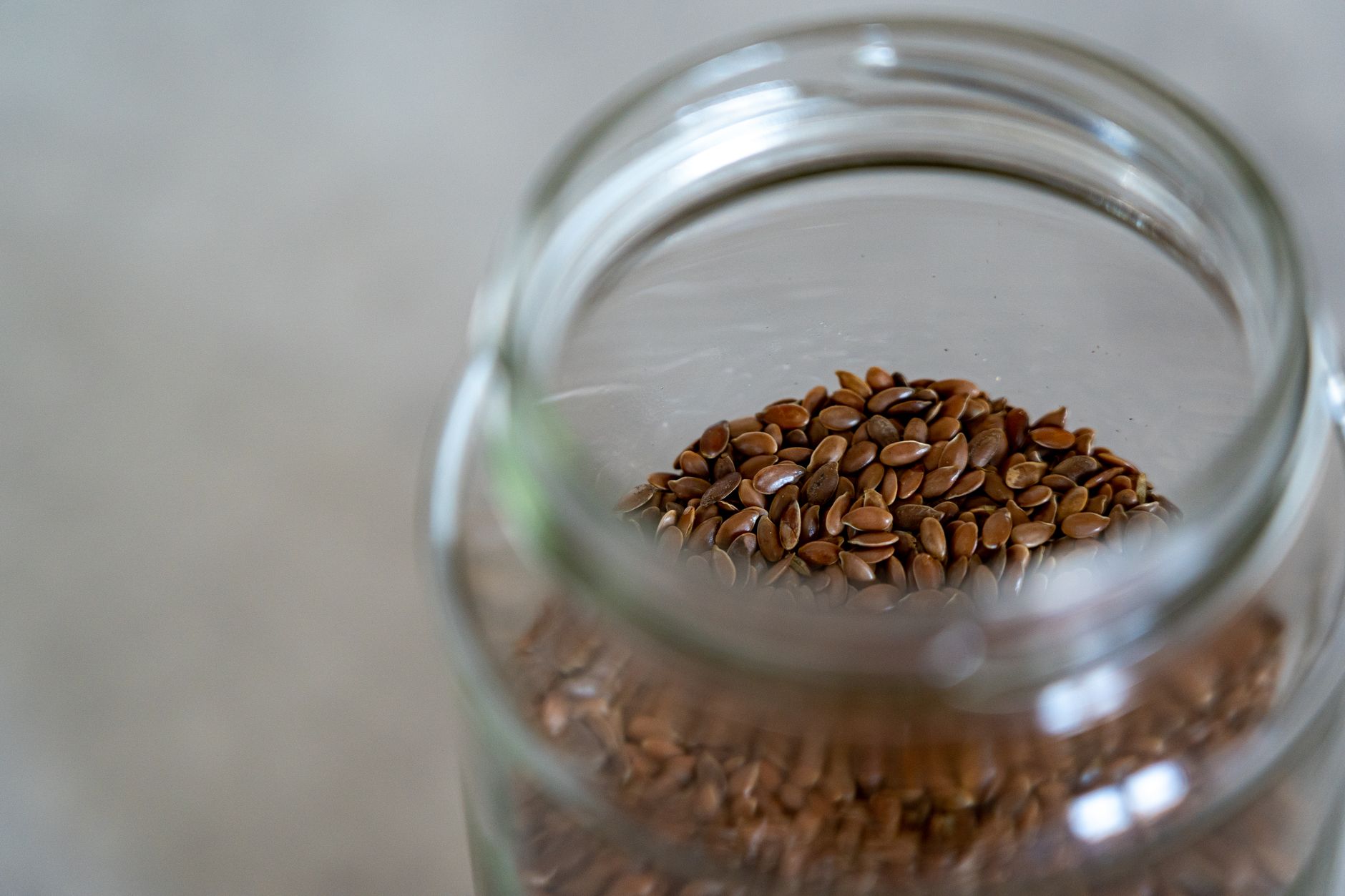
Flax seeds are small, brown or golden seeds that pack a big nutritional punch, making them a popular choice in meals and snacks. However, like many pantry staples, they have a shelf life that highlights the importance of proper storage and handling. Knowing whether flax seeds go bad, as well as how to identify spoilage, can help you avoid unpleasant surprises in your diet.
This guide will explore the shelf life of flax seeds, the best ways to store them, and how to recognize signs of spoilage. Understanding these aspects will ensure you get the maximum health benefits from these tiny seeds.
Do Flax Seeds Go Bad?
Yes, flax seeds can go bad. Over time, their oils can become rancid, resulting in off flavors and odors. Proper storage and attention to their shelf life can help you keep them fresh longer.
Shelf Life of Flax Seeds
Flax seeds have varying shelf lives depending on how they are processed and stored. Generally, whole flax seeds tend to last longer than ground flax seeds due to their intact seed coat, which protects the oils inside.
Whole Flax Seeds
When stored properly in a cool, dark place, whole flax seeds can last:
- 1 year at room temperature
- 2 years in the refrigerator
- 3 years in the freezer
Ground Flax Seeds
Ground flax seeds have a shorter shelf life because they expose the oils to air:
- 3 to 4 months at room temperature
- 6 months in the refrigerator
- 1 year in the freezer
Best Storage Methods for Flax Seeds
Storing flax seeds correctly can significantly extend their shelf life and keep them fresh. Here are some effective methods:
For Whole Flax Seeds
- Cool, Dark Place: Store in an airtight container in a cupboard or pantry, away from light and heat.
- Refrigeration: For longer shelf life, place the container in the fridge.
- Freezing: If you buy in bulk, consider freezing some to extend freshness.
For Ground Flax Seeds
- Airtight Container: Always use an airtight container to minimize exposure to air. Vacuum-sealed bags are ideal.
- Refrigeration: Always store ground flax seeds in the refrigerator to help prevent rancidity.
- Freezing: For maximum freshness, freeze ground flax seeds if you do not plan to use them within a few months.
Signs of Spoilage in Flax Seeds
It’s crucial to recognize signs of spoilage in flax seeds to avoid consuming rancid seeds. Here are some common indicators:
Visual Signs
- Discoloration: Check for any unusual darkening or discoloration, especially in ground flax seeds.
- Mold Growth: Any signs of mold in the storage container or on the seeds themselves are a clear sign of spoilage.
Olfactory Signs
- Rancid Odor: Fresh flax seeds have a mild, nutty aroma. If they smell pungent or sour, they have likely gone bad.
- Off Flavors: A bitter or unpleasant taste is an immediate indicator that the seeds are no longer good to consume.
Using and Incorporating Flax Seeds in Your Diet
Flax seeds can easily be integrated into a variety of dishes due to their nutty flavor and health benefits. Here are some practical ways to use them:
Adding to Smoothies
Ground flax seeds blend effortlessly into smoothies, offering extra fiber and omega-3 fatty acids without altering the flavor.
Baking and Cooking
- Breads and Muffins: Incorporate ground flax seeds into your favorite bread or muffin recipes for added nutrition.
- Oatmeal or Cereal: Sprinkle ground flax seeds on your morning oatmeal or cereal for an added crunch and nutritional boost.
Salad Toppings and Dressings
Whole flax seeds can add texture to salads, while ground flax seeds can be mixed into homemade salad dressings.
Flax Seed Substitutions
If flax seeds are unavailable, or if you’re seeking alternatives for dietary or personal reasons, there are several substitutions you can consider:
Chia Seeds
Chia seeds share similar nutritional profiles and can work as a substitute in many recipes. Use a 1:1 ratio when substituting chia seeds for flax seeds.
Hemp Seeds
Hemp seeds offer similar health benefits and can add a nutty flavor. Use them in smoothies, salads, or baking. Again, use a 1:1 substitution.
Ground Nuts or Seeds
Ground almonds or sunflower seeds can replace ground flax seeds. Their flavor profiles differ, so consider the overall taste of your dish.
Common Mistakes When Storing Flax Seeds
To make the most out of your flax seeds, avoid these common mistakes:
Not Using Airtight Containers
Failing to use containers with a tight seal allows air to enter, accelerating spoilage.
Storing in the Wrong Environment
Do not store flax seeds in hot or humid places. These conditions can cause rapid spoilage and rancidity.
Buying in Bulk Without a Plan
Buying flax seeds in large quantities is economical, but if you don’t have a plan for using them quickly, spoilage can result.
Culinary Applications of Flax Seeds
Flax seeds not only boast nutritional benefits but also enhance various dishes. Here are some of their culinary applications:
Vegan Egg Substitute
Flax seeds can be used to create a vegan egg substitute, which works wonderfully in baking:
- Mix 1 tablespoon of ground flax seeds with 2.5 tablespoons of water.
- Let the mixture sit for 5 to 10 minutes until it thickens, similar to the texture of an egg.
Thickening Agent
Flax seeds can act as a natural thickener in soups and sauces. Add ground flax seeds to your liquid ingredients, allowing time for them to absorb moisture.
Flavor Enhancer
Tossing flax seeds into granola bars, muffins, or energy bites adds not only flavor but also additional crunch.
Conclusion
Flax seeds are a versatile and nutritious food item that can enhance your culinary creations. By understanding their proper storage, recognizing spoilage signs, and incorporating them into your meals, you can enjoy their maximum health benefits. Always remember to store them in a cool, dark environment and check for freshness before use, ensuring that they stay beneficial and delicious.
If you’re interested in similar topics, consider checking out our guides on Do Chia Seeds Go Bad and How Long Cottage Cheese Lasts After Opening.