
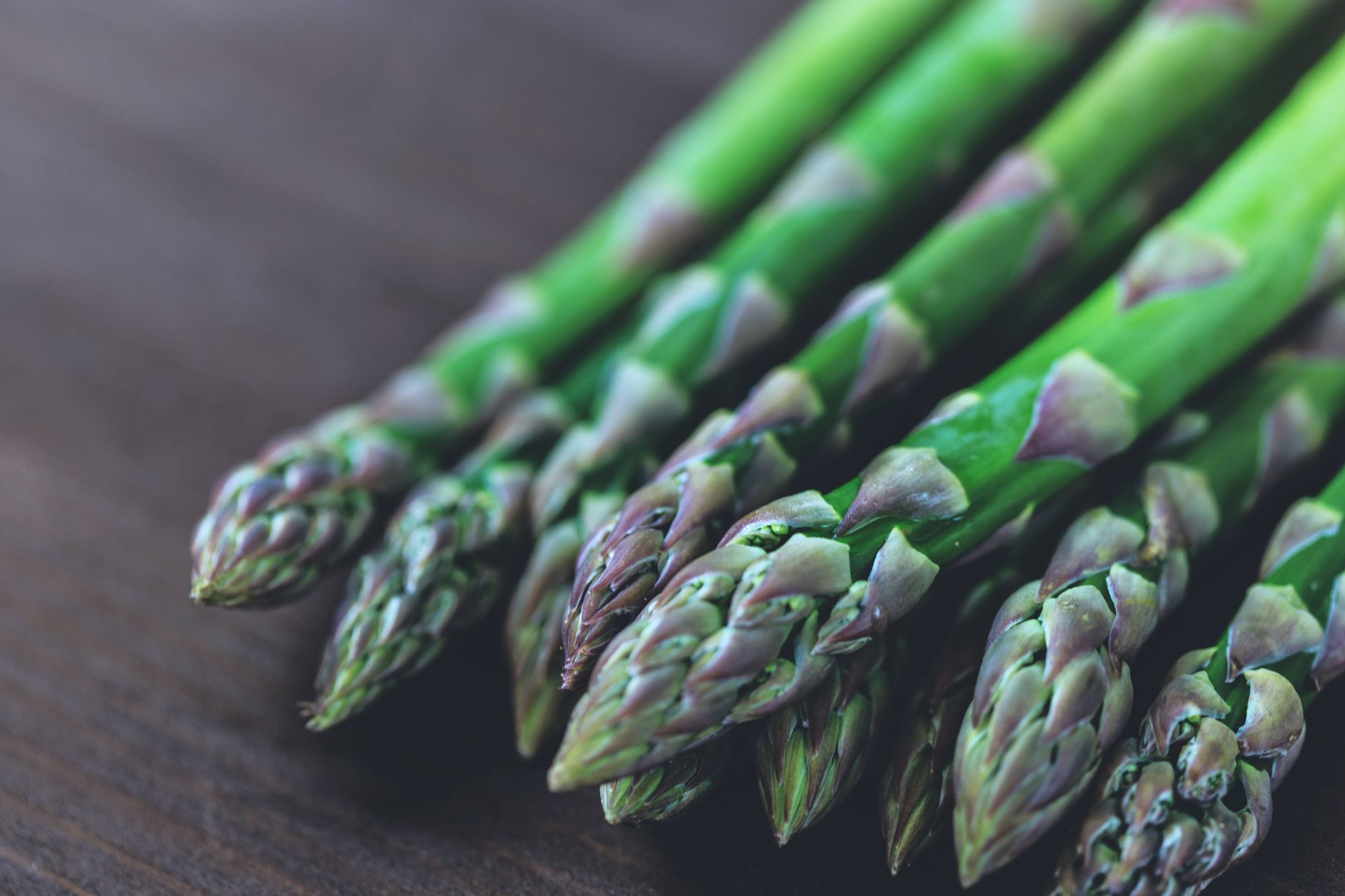
Asparagus is a popular vegetable celebrated for its unique flavor and nutritional benefits. Individuals following a low-histamine diet often wonder if asparagus is a safe choice for their meals. This article delves into the histamine levels in asparagus, its culinary uses, and practical considerations for incorporating it into a low-histamine diet.
Understanding histamine and its role in various foods is essential for those looking to manage histamine intolerance. Asparagus may pleasantly surprise you with its characteristics and versatility in cooking. Let’s explore the details to help you make informed dietary decisions.
Is Asparagus Low Histamine?
Yes, asparagus is generally considered to be low in histamine. It is classified as a fresh vegetable and is usually well-tolerated by individuals with histamine sensitivity. However, the histamine levels can vary based on the cooking methods and freshness of the produce.
Understanding Histamine and Its Impact on Diet
Histamine is a naturally occurring compound involved in immune responses, digestion, and the central nervous system. It is produced by the body and also found in various foods. Histamine intolerance occurs when there is an imbalance between histamine intake and the body’s ability to break it down, leading to symptoms such as headaches, rashes, and digestive issues.
Foods are categorized based on their histamine content:
- High-Histamine Foods: Aged cheeses, processed meats, fermented products, and alcohol.
- Low-Histamine Foods: Fresh fruits and vegetables, eggs, grains, and meat (when freshly cooked).
Asparagus falls within the low-histamine category, making it a suitable choice for those managing their histamine levels.
Fresh vs. Cooked Asparagus: What to Consider
Fresh asparagus is low in histamine, but preparation methods can influence its histamine content. Cooking techniques such as boiling and steaming generally keep histamine levels low, while longer cooking times may increase it slightly. Here are some considerations:
Fresh Asparagus
Always choose fresh asparagus when possible. The fresher the asparagus, the lower the histamine content. Look for bright green stalks that are firm and free from brown spots. Store fresh asparagus in the refrigerator, wrapped in a damp paper towel, and placed in a plastic bag to maintain its freshness.
Cooking Techniques
Various cooking methods can be used with asparagus:
- Steaming: This method preserves most of the nutrients and keeps the histamine content low.
- Boiling: This technique is effective but can wash away some nutrients. It is still a low-histamine option.
- Roasting: This method enhances the flavor but may result in slightly increased histamine levels due to caramelization.
Flavor and Culinary Uses
Asparagus has a delicate, slightly sweet flavor with earthy undertones. Its texture is crisp when cooked briefly and tender when cooked longer. Here are some culinary uses for asparagus that can be enjoyed while maintaining a low-histamine diet:
Salads
Freshly blanched asparagus can add crunch and color to salads. Combine it with leafy greens, cucumbers, and a simple dressing of olive oil and lemon juice for a refreshing dish.
Soups
Asparagus soup can be a flavorful way to enjoy this vegetable. Blend cooked asparagus with low-sodium broth and add herbs such as basil or parsley for added flavor without raising histamine levels.
Stir-Fries
Asparagus can be sautéed with other low-histamine vegetables like bell peppers and carrots. Use olive oil and simple seasonings to create a light dish.
Grilled Asparagus
Grilling asparagus enhances its flavor. Brush them with olive oil, sprinkle with salt, and grill for a few minutes until tender. This side dish pairs well with grilled chicken or fish.
Meal Planning with Asparagus
Integrating asparagus into your meal planning can be simple and rewarding. Here are some tips and ideas:
Weekly Meal Ideas
- Monday: Grilled asparagus salad with quinoa and lemon vinaigrette.
- Tuesday: Asparagus and chicken stir-fry served with rice.
- Wednesday: Asparagus soup with a side of gluten-free bread.
- Thursday: Roasted asparagus with a baked potato and grilled salmon.
- Friday: Asparagus frittata for brunch, using eggs and fresh herbs.
Preparing Ahead
Asparagus can be blanched and stored in the refrigerator for up to three days, making it convenient for meal prep. Consider batch-cooking asparagus for use in various meals throughout the week.
Storage Tips for Asparagus
Proper storage of asparagus is crucial for maintaining its freshness and nutritional value:
Refrigeration
Keep fresh asparagus in the refrigerator, standing upright in a glass of water, or wrapped in a damp paper towel and placed in a plastic bag. This keeps the stalks fresh longer as they draw moisture.
Freezing Asparagus
If you have excess asparagus, consider blanching and freezing it. Here’s how:
- Wash the asparagus and cut it into your desired length.
- Bring a pot of water to a boil and prepare an ice bath.
- Blanch the asparagus in boiling water for 2-3 minutes.
- Transfer the asparagus into the ice bath to stop the cooking.
- Drain and dry thoroughly before placing it in an airtight freezer bag. Label and freeze.
Common Questions About Asparagus and Histamine
Can I eat canned or pickled asparagus on a low-histamine diet?
Canned or pickled asparagus may contain preservatives and added ingredients raising histamine. It’s best to stick with fresh or frozen asparagus for a low-histamine diet.
What about asparagus extract or supplements?
Asparagus extract may vary in histamine content depending on preparation methods. Always consult with a healthcare provider if you’re considering supplements, especially if you have histamine sensitivity.
Is asparagus safe for all types of low-histamine diets?
While asparagus is generally low in histamine, individual reactions can vary. It’s advisable to monitor your symptoms when trying new foods.
Conclusion
Asparagus is a low-histamine vegetable that can be easily included in a variety of dishes. Its versatility allows it to be enjoyed fresh, cooked, or as part of more complex recipes. Embrace asparagus in your meal planning and enjoy the culinary creativity it inspires!
To further explore the world of cooking with vegetables, check out how long to steam artichokes or how long to boil asparagus for perfectly cooked results.