
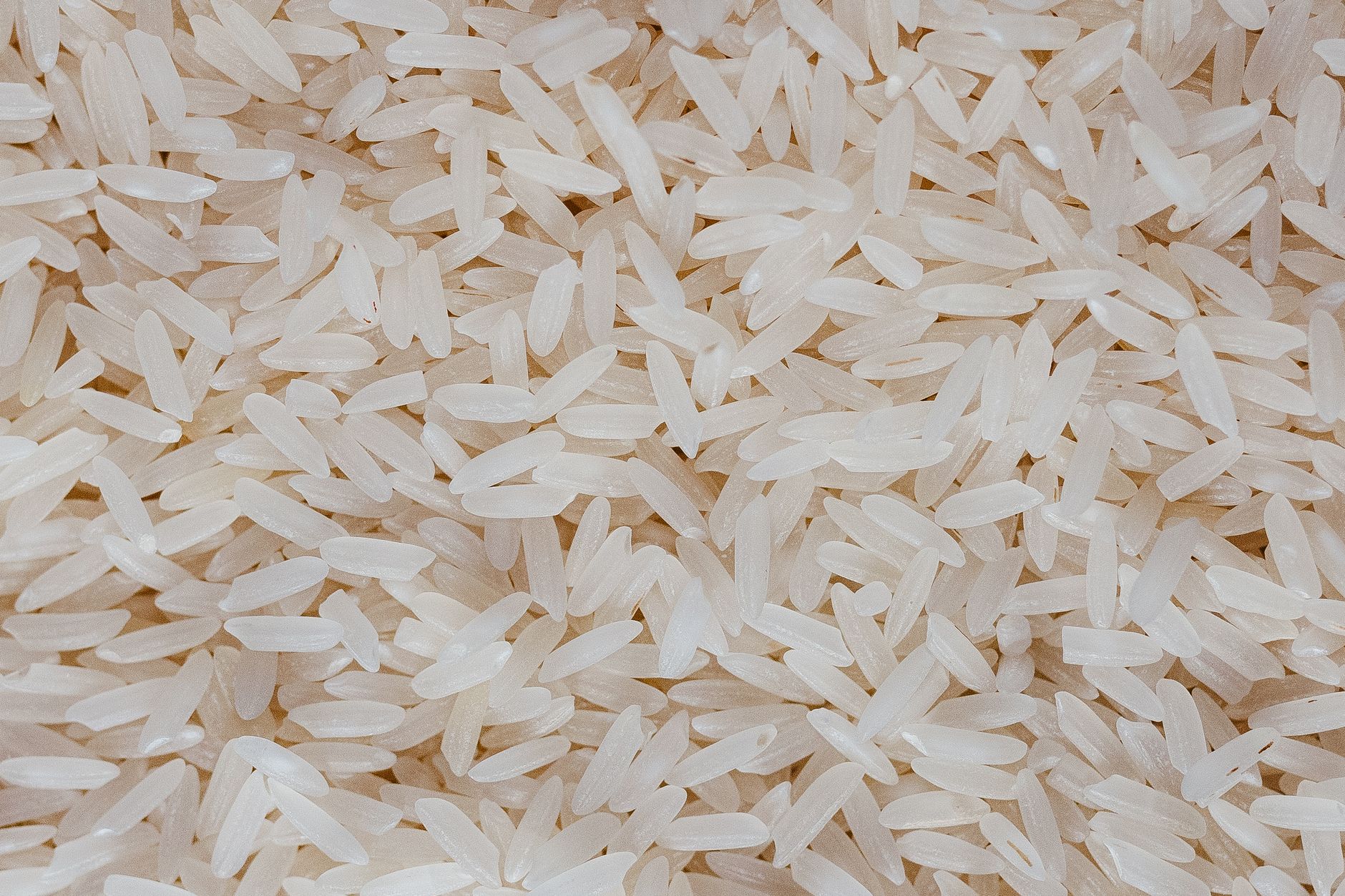
Rinsing rice before cooking has been a point of debate among cooks for years. While some believe it’s essential for achieving the desired texture, others argue it’s unnecessary. This article will explore the reasons for rinsing, the types of rice that may benefit from it, and tips for cooking rice to perfection.
Whether you are making a simple side dish or creating an intricate main course, understanding the importance and process of rinsing rice can elevate your dish. Dive in as we provide practical advice on cooking and serving rice.
Do You Rinse Rice Before Cooking?
Yes, rinsing rice before cooking is recommended for many types. This practice helps remove excess starch, which can result in fluffier, less sticky rice after cooking. However, certain types of rice, like risotto rice, may require the starch for a creamier texture.
Why Rinse Rice?
Rinsing rice serves several purposes:
- Removes Excess Starch: This is the primary reason for rinsing. Excess starch can cause rice to become gummy or overly sticky during cooking.
- Eliminates Impurities: Rinsing helps remove dirt, dust, or any residual debris from processing.
- Improves Flavor: In some cases, rinsing can help remove any chemical residues or unwanted flavors from the rice.
- Enhances Texture: By removing excess starch, the grains are less likely to clump together, resulting in a more desirable texture.
Types of Rice and Rinsing Recommendations
Different types of rice may have varying needs for rinsing. Here are some common varieties:
1. Long-Grain Rice
Long-grain rice varieties like Basmati and Jasmine are generally rinsed to remove excess starch. Rinsing helps achieve separate grains, making these types ideal for pilafs and stir-fries.
2. Medium-Grain Rice
Medium-grain rice, such as Arborio, can be rinsed, but it is often preferred not rinsed when making risottos. The starch in Arborio contributes to the creamy texture that risotto is known for.
3. Short-Grain Rice
Short-grain rice, including sushi rice, is typically washed multiple times to achieve the desired stickiness essential for sushi. This rice benefits from rinsing, as the extra starch can make it overly sticky if not washed away.
4. Brown Rice
Brown rice can also be rinsed, though the primary goal is to remove dirt rather than excess starch, as it retains more nutrients and is less processed than white rice. Rinsing can help improve its flavor.
How to Rinse Rice
Rinsing rice is a simple process. Follow these steps for effective rinsing:
- Measure the Rice: Start by measuring the amount of rice you plan to cook.
- Place in a Fine-Mesh Strainer or Bowl: Use a fine-mesh strainer or bowl to hold the rice while rinsing. If you’re using a bowl, ensure it’s large enough to hold the rice and water.
- Add Water: Pour cold water over the rice, enough to cover it completely.
- Swirl and Agitate: Use your hands to gently swirl the rice and agitate it. This motion helps release the excess starch.
- Drain Water: Carefully pour off the cloudy water. If using a bowl, tilt it to allow the water to escape without spilling the rice.
- Repeat the Process: Repeat the rinsing process two to three times until the water runs clear. This indicates most of the excess starch has been removed.
Your Rice Cooking Method
Once the rice is rinsed, it’s time to cook it. Different methods can be employed, including boiling, steaming, or using a rice cooker. Below is a standard stovetop method for cooking rice.
Essential Equipment
- Fine-mesh strainer or bowl for rinsing
- Medium-sized saucepan with a lid
- Measuring cups and spoons
- Fork for fluffing the rice
Basic Stovetop Rice Cooking Method
This method yields fluffy rice, which can be adjusted based on the type and amount of rice:
- Rinse the Rice: Follow the rinsing steps outlined earlier.
- Add to a Saucepan: Transfer the rinsed rice to a medium saucepan.
- Add Water: Use a water-to-rice ratio of 2:1 for most white rice (2 cups of water for every cup of rice). Adjust based on the type of rice and desired texture.
- Season (Optional): Add a pinch of salt and a splash of oil or butter for added flavor.
- Bring to a Boil: Place the saucepan over medium-high heat and bring to a boil. Allow it to boil for a minute.
- Reduce Heat and Cover: Once boiling, reduce the heat to low, cover the pot with a lid, and simmer. Never remove the lid during cooking.
- Cook Time: Cooking times will vary: 18-20 minutes for white rice, about 40-45 minutes for brown rice. Refer to the package instructions for specifics.
- Remove from Heat: Once the cooking time is up, remove the saucepan from the heat and let it sit covered for 5-10 minutes. This allows the steam to finish cooking the rice.
- Fluff and Serve: After resting, use a fork to fluff the rice gently before serving.
Common Mistakes in Cooking Rice
While cooking rice may seem straightforward, common errors can lead to less-than-perfect results. Here are some to keep in mind:
- Not Rinsing Rice: Skipping rinsing, especially for starchy varieties, often results in a gummy texture.
- Incorrect Water Ratio: Adding too much or too little water can drastically affect cooking results. Measure water carefully.
- Removing Lid Too Early: Lifting the lid while the rice cooks releases steam, disrupting the cooking process.
- Cooking at Too High a Temperature: Cooking rice at a high temperature may cause it to burn on the bottom before cooking through.
- Not Allowing It to Rest: Skipping the resting period after cooking can make the rice dense and clumpy.
Serving Suggestions for Rice
Rice is an incredibly versatile side dish. Here are some popular ways to serve it:
- As a Side: Pair rice with grilled meats, roasted vegetables, or rich curries to soak up sauces.
- Sushi: Utilize short-grain rice to make sushi rolls, combining with fish, vegetables, and seaweed.
- Fried Rice: Leftover rice makes an excellent fried rice dish when stir-fried with vegetables, meats, and eggs.
- In Salads: Cold rice can be incorporated into refreshing salads, paired with beans, vegetables, and a dressing.
- As a Base: Make a rice bowl topped with proteins, sautéed vegetables, and sauces for a complete meal.
Make-Ahead Tips for Rice
If planning meals in advance, consider these tips for storing and reheating cooked rice:
Storage
- Once cooked and cooled, store rice in an airtight container in the fridge for up to 4-5 days.
- For longer storage, freeze rice in portions. To prevent clumping, allow it to cool completely before freezing.
Reheating
- To reheat rice, add a splash of water to prevent dryness and cover it to allow steam to warm it up.
- Microwave reheat on medium power in 1-minute intervals, checking and stirring in between until heated through.
- For stovetop reheating, place rice in a pot with a little water or broth, cover, and heat over low until hot.
Practical Substitutions and Variations
Rice is a wonderful blank canvas, allowing for substitutions and variations. Here are some options to consider:
- Quinoa: For a gluten-free alternative, substitute quinoa. Rinse it similarly before cooking.
- Cauliflower Rice: For a low-carb option, riced cauliflower can be used in place of traditional rice, requiring minimal cooking.
- Millet: This nutty grain can serve as a substitute for rice and is gluten-free. Adjust cooking times as needed.
- Barley: For a chewier texture, use barley, which may require a longer cooking time.
Exploring Rice Varieties
With a multitude of rice varieties available, exploring different types can enhance the flavor and texture of your dishes:
- Basmati and Jasmine Rice: Aromatic varieties that enhance dishes with floral notes.
- Arborio Rice: Ideal for creamy risottos, appreciated for its high starch content.
- Sushi Rice: Short-grain rice with a high starch content, sticky and perfect for sushi.
- Wild Rice: Technically a grain, it lends a chewy texture and nutty flavor to salads and vegetarian dishes.
Conclusion
In summary, rinsing rice before cooking is a beneficial practice that can greatly improve the outcome. By understanding the types of rice, following the rinsing method, and employing effective cooking techniques, you can achieve perfectly cooked rice every time. Equip yourself with the tips provided to customize your rice dishes successfully.
Explore related recipes and tips, such as how much water for rice or information on Basmati rice’s gluten-free property to further enhance your culinary skills.