
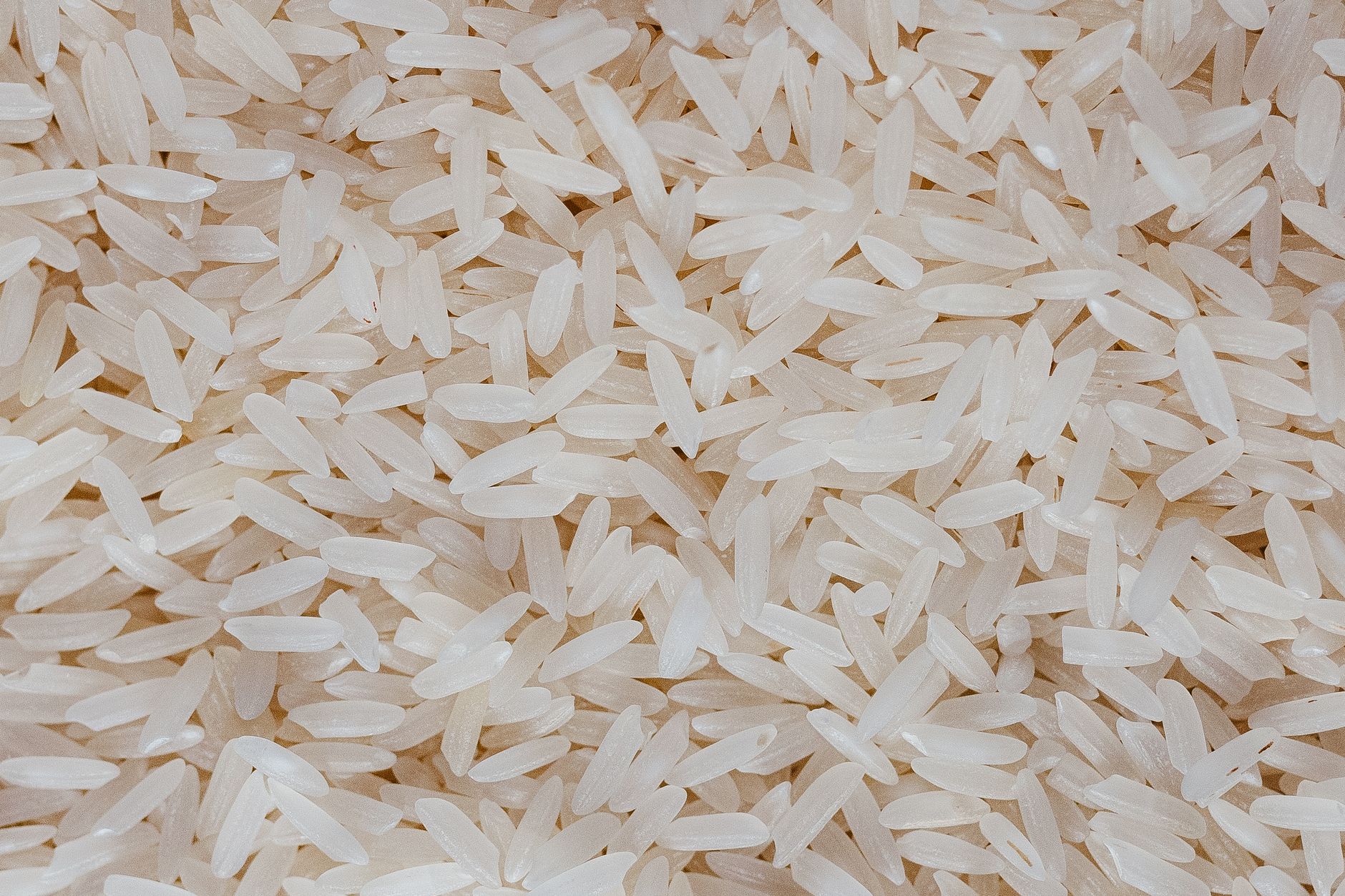
Basmati rice, known for its fragrant aroma and delicate texture, is a favorite in many kitchens. Whether served as a side dish or the centerpiece of a meal, this long-grain rice is beloved for its nutty flavor and versatility. But is Basmati rice good for you? In this article, we will explore its nutritional benefits, portion size recommendations, and how to incorporate it into a balanced diet.
Understanding whether Basmati rice can fit into your dietary needs or lifestyle preferences is essential. By examining its nutritional profile and culinary uses, this guide aims to provide a well-rounded overview of this delicious rice variety.
Is Basmati Rice Good for You?
Yes, Basmati rice can be considered a healthy choice as part of a balanced diet. It is lower in glycemic index compared to other rice varieties, which means it can have a less significant impact on blood sugar levels. Additionally, it contains essential nutrients and offers a tasty base for many dishes.
What is Basmati Rice?
Basmati rice is a long-grain variety of rice that originates from the Indian subcontinent. Its name translates to “fragrant” in Sanskrit, which reflects its distinct earthy aroma. It is commonly available in two varieties: white Basmati, which is polished and has a softer texture, and brown Basmati, which retains its outer bran layer, making it higher in nutrients.
Nutritional Profile of Basmati Rice
When evaluating the healthiness of Basmati rice, it’s essential to consider its overall nutritional composition. Here’s a breakdown of key nutrients found in a one-cup (approximately 158 grams) serving of cooked white Basmati rice:
- Calories: 190
- Carbohydrates: 40g
- Protein: 4g
- Fat: 0.5g
- Fiber: 0.6g
- Iron: 1.4mg (8% DV)
- Magnesium: 19mg (5% DV)
Brown Basmati rice retains more fiber and can provide additional nutrients compared to its white counterpart. If you’re looking for higher fiber content, brown Basmati is an excellent option, offering about 3.5g of fiber per cooked cup.
Health Benefits of Basmati Rice
Basmati rice offers several health benefits that make it a suitable addition to a diet:
1. Low Glycemic Index
The glycemic index (GI) measures how quickly foods raise blood sugar levels. Basmati rice typically has a lower GI compared to regular white rice, making it a better choice for those looking to manage their blood sugar levels. A lower GI indicates that carbohydrates in Basmati rice break down gradually, providing sustained energy.
2. Nutrient-Rich
Basmati rice provides essential vitamins and minerals such as iron, magnesium, and B vitamins. These nutrients are vital for maintaining energy levels, supporting metabolism, and improving overall health.
3. Gluten-Free
For those with gluten sensitivities or celiac disease, Basmati rice is gluten-free. It serves as an excellent alternative to wheat-based products.
4. Versatile and Easy to Digest
Basmati rice is easy on the stomach and suitable for people with digestive issues. Its light texture and nutty flavor make it a versatile ingredient in various dishes, from curries to salads and beyond.
Portion Sizes – How Much Basmati Rice Should You Eat?
Portion sizes can vary depending on the context of the meal. Generally, a standard serving of cooked rice is about one cup. Cooks often recommend balancing your plate with a variety of foods. Here’s a basic guideline for portion sizes:
- As a side dish: ½ to 1 cup of cooked rice
- As the main component: 1 to 2 cups of cooked rice, combined with vegetables and protein
These portions can also be adjusted based on individual dietary needs, activity levels, and the context of the meal (e.g., lunch versus dinner).
Integrating Basmati Rice into Your Diet
Incorporating Basmati rice into your meals is straightforward. Here are some practical ways to enjoy it:
1. As a Side Dish
Serve Basmati rice as a side dish with grilled vegetables, meats, or curries. It pairs well with beans and legumes, enhancing the flavor and texture of your meal.
2. In Salads
Add cooked and cooled Basmati rice to salads for added texture. Combine it with chopped veggies, herbs, and a light vinaigrette for a refreshing grain salad.
3. For Meal Prep
Basmati rice works well in meal prep as it can be cooked in batches and stored in the refrigerator for up to five days. Pair it with different proteins and vegetables to create balanced meals throughout the week.
4. In Soup
Incorporate Basmati rice into soups for heartiness. It absorbs flavors and adds nutrition to broths and stews.
5. As a Breakfast Bowl
Try Basmati rice as a base for a breakfast bowl. Combine it with vegetables, eggs, and avocado for a satisfying start to your day.
Cooking Techniques for Perfect Basmati Rice
Getting the right cooking technique can make all the difference in achieving fluffy Basmati rice. Follow these steps for optimal results:
Ingredients
- 1 cup of Basmati rice
- 2 cups of water (or broth for added flavor)
- Salt, to taste
- 1 tablespoon of oil or butter (optional)
Essential Equipment
- Medium-sized pot with a lid
- Strainer or fine mesh sieve
- Fork for fluffing
Instructions
- Rinse the rice under cold water until the water runs clear. This removes excess starch and helps prevent stickiness.
- In a medium-sized pot, combine the rinsed Basmati rice, water, and salt. If desired, add oil or butter for enhanced flavor.
- Bring the mixture to a boil over medium heat.
- Once boiling, reduce the heat to low and cover the pot. Allow it to simmer for about 15-20 minutes, or until the rice has absorbed all the water.
- After cooking, remove the pot from the heat, and let it sit, covered, for another 5 minutes.
- Fluff the rice with a fork before serving.
Common Mistakes and Troubleshooting
Cooking Basmati rice can be straightforward, but some common mistakes can lead to less-than-ideal results. Here are some troubleshooting tips:
1. Overcooked Rice
If your rice is mushy, you may have added too much water or cooked it for too long. Adjust your water ratios and cooking times for next time.
2. Underseasoned Rice
Not adding salt can lead to bland rice. Always season the water to enhance the flavor of the rice.
3. Sticking Together
If your rice sticks together, it could be due to insufficient rinsing or using too much water. Make sure to rinse thoroughly before cooking.
4. Cooking Without a Lid
Cooking rice without a lid can lead to too much evaporation, resulting in dry rice. Always cover the pot to retain steam and moisture.
Storage and Reheating Tips
Storing Basmati rice correctly will help maintain its flavor and quality:
Refrigeration
Cooked Basmati rice can be stored in an airtight container in the refrigerator for up to five days. Ensure it cools before sealing to prevent condensation.
Freezing
For longer storage, Basmati rice can be frozen. Place cooled rice in freezer-safe bags or containers, separating portions for convenience. Frozen rice can last up to six months.
Reheating
To reheat rice, you can steam it in a pot, microwave it with a splash of water, or stir-fry it with a bit of oil. Ensure it is heated evenly and reaches a safe temperature.
Conclusion
Basmati rice is a versatile, nutritious grain that can complement a variety of dishes while offering health benefits such as a low glycemic index and essential nutrients. By implementing simple cooking techniques and being mindful of portion sizes, it can be successfully incorporated into a balanced meal plan.
Explore more recipes like how to ensure that rice is gluten-free or delve into delicious rice pudding recipes for a sweet twist at your next meal.