
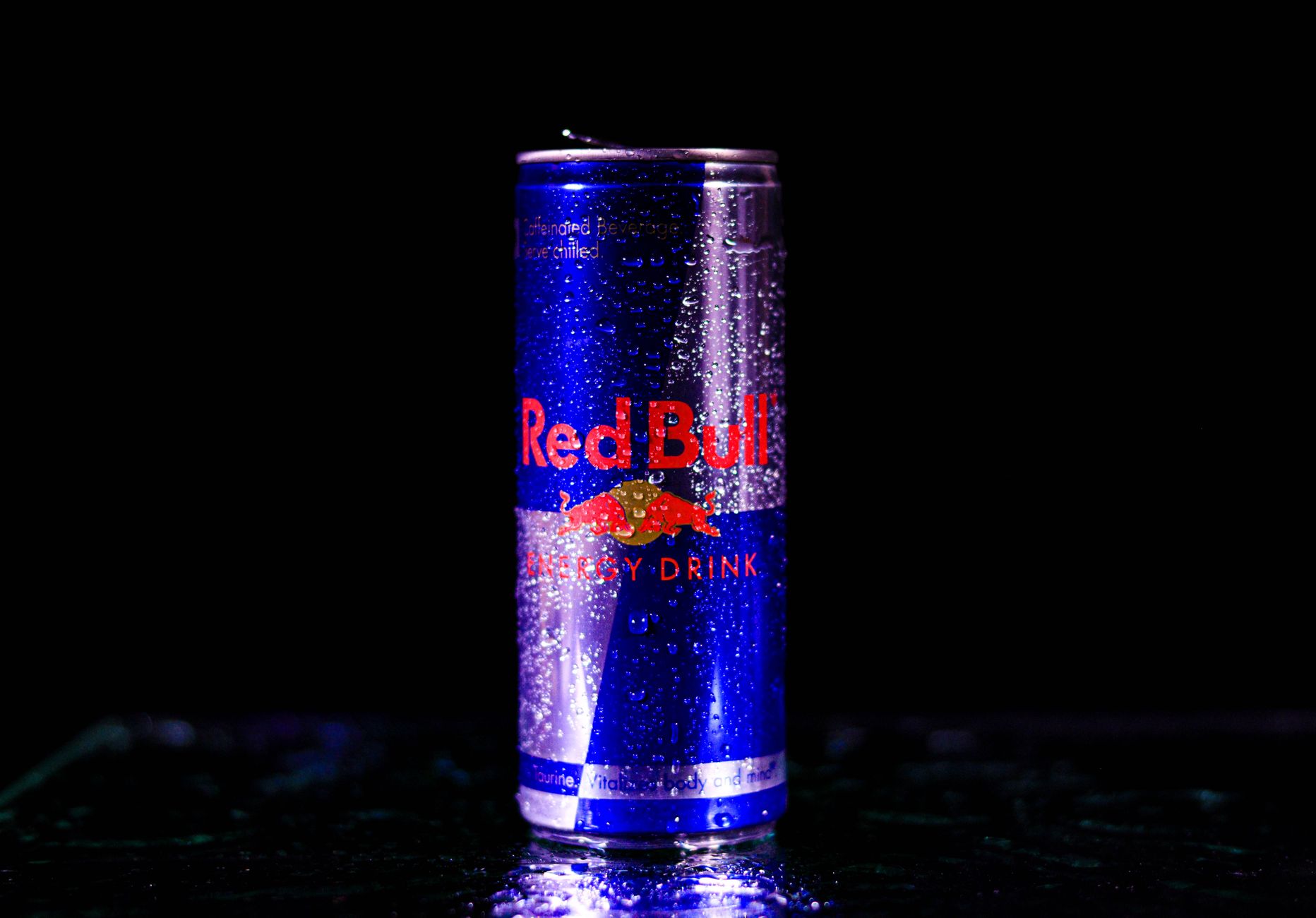
Many people seek an energy boost through caffeinated beverages, among which Red Bull is a popular choice. Understanding how much caffeine is in Red Bull can help consumers make informed decisions about their energy intake. This vital information is especially relevant for individuals mindful of their caffeine consumption.
In this article, we will explore the caffeine content in Red Bull, analyze its serving sizes, discuss recommended portions, and provide guidance for those who enjoy this energizing drink as part of their routine. Prepare to dive into the world of caffeine and energy drinks!
How Much Caffeine is in Red Bull?
Red Bull contains approximately 80 mg of caffeine in an 8.4 fl oz (250 mL) can. This amount is similar to a standard cup of coffee, making it a popular choice for those needing a quick energy boost during long days or intensive workouts. However, it’s essential to consider this amount in the context of your overall daily caffeine consumption.
Caffeine Content in Different Red Bull Products
Red Bull offers various versions beyond the original energy drink, each containing varying levels of caffeine. Here’s a breakdown:
- Red Bull Energy Drink (Original) – 80 mg of caffeine per 8.4 fl oz (250 mL)
- Red Bull Sugarfree – 80 mg of caffeine per 8.4 fl oz (250 mL)
- Red Bull Zero Calories – 80 mg of caffeine per 8.4 fl oz (250 mL)
- Red Bull Editions (Various Flavors) – 80 mg of caffeine per 8.4 fl oz (250 mL)
- Red Bull Energy Drink (12 fl oz) – 114 mg of caffeine per 12 fl oz (355 mL)
Understanding Caffeine and Its Effects
Caffeine is a central nervous system stimulant commonly consumed to enhance alertness and reduce fatigue. It works by blocking the action of adenosine, a neurotransmitter that promotes sleep, thereby increasing dopamine and norepinephrine levels. This leads to increased alertness, faster reaction times, and improved mood.
While caffeine can offer benefits, excessive consumption may lead to adverse effects. Recommended daily maximums for caffeine intake can vary, but many health organizations suggest that up to 400 mg of caffeine per day for most adults is safe. This translates to about five 8.4 fl oz cans of Red Bull.
Effects of Caffeine in Red Bull
When consuming Red Bull, users can experience various effects due to its caffeine content:
- Increased Alertness: Caffeine can help maintain focus during prolonged activities or work hours.
- Enhanced Physical Performance: Many athletes use Red Bull for its ability to improve physical performance and endurance.
- Temporary Increased Heart Rate: Increased caffeine may cause a temporary increase in heart rate, which is generally only a concern for those with underlying health issues.
Recommended Portion Sizes
When enjoying Red Bull as part of your routine, understanding portion sizes is critical. The standard serving is one 8.4 fl oz can, but some may choose to consume larger sizes:
- 12 fl oz cans contain 114 mg of caffeine, which effectively increases your caffeine intake.
- Red Bull offers larger packaging options, such as 16 fl oz, which contain 151 mg of caffeine.
It’s essential to balance your caffeine intake throughout the day, especially if consuming Red Bull alongside other caffeinated beverages such as coffee or tea. The general recommendation is to be mindful of how caffeine affects your body and adjust accordingly.
Benefits of Red Bull
For individuals seeking a boost in energy levels or performance, Red Bull can offer several advantages:
- Quick Energy Boost: The caffeine combined with sugar provides an immediate increase in energy, helpful for those needing to stay awake or alert.
- Improved Concentration: People often report enhanced focus and productivity after consuming Red Bull, particularly during tasks requiring sustained attention.
- Convenience: The portability of a Red Bull can makes it easy to carry and consume on the go, fitting into an active lifestyle.
Potential Negative Effects of Caffeine
Despite its benefits, caffeine consumption can come with potential negative effects, especially if consumed in high quantities:
- Insomnia: Consuming caffeine close to bedtime can disrupt sleep patterns.
- Anxiety: Excessive caffeine can heighten feelings of anxiety, particularly in sensitive individuals.
- Digestive Issues: Some people may experience gastrointestinal discomfort following caffeine consumption.
Common Misconceptions about Red Bull
When it comes to energy drinks, misinformation can be prevalent. Here are a few common misconceptions around Red Bull and caffeine:
- Red Bull Doesn’t Hydrate: While Red Bull provides energy, it is not a substitute for water. Hydration is essential for overall health.
- Alcohol Mixing is Safe: Mixing energy drinks like Red Bull with alcohol can mask intoxication feelings, resulting in potentially dangerously high alcohol consumption levels.
- All Caffeine is the Same: Caffeine from natural sources like coffee or tea may offer additional health benefits not found in energy drinks due to other natural compounds present.
Tips for Responsible Caffeine Consumption
To ensure you’re consuming Red Bull and other caffeinated beverages responsibly, consider the following tips:
- Know Your Limits: Understand how caffeine affects your body and establish a personal limit based on your health and energy needs.
- Time Your Consumption: Avoid consuming caffeine close to bedtime to maintain healthy sleep patterns.
- Stay Hydrated: Drink water alongside caffeinated beverages to counteract any dehydrating effects.
- Avoid Mixing with Alcohol: Be mindful when consuming energy drinks with alcoholic beverages, and understand the risks involved.
What to Pair with Red Bull
If you’re looking to enhance your experience with Red Bull, consider pairing it with snacks or meals that complement its flavor and energy-boosting properties:
- High-Protein Snacks: Consume Red Bull alongside protein bars or nuts to sustain energy levels.
- Fruits: Fresh fruits, especially those with high water content, can provide hydration and additional nutritional benefits.
- Light Meals: If enjoying Red Bull during a meal, consider light options like salads or grilled chicken to avoid a heavy feeling.
Alternatives to Red Bull
If you’re seeking alternatives to Red Bull, other caffeinated drinks may suit your preferences and needs. Here are some popular options:
- Coffee: A traditional choice, coffee generally contains about 95 mg of caffeine in a standard 8 oz cup.
- Tea: Depending on the type, tea has varying caffeine content, ranging from about 20 to 70 mg per cup.
- Yerba Mate: This South American beverage contains about 30-50 mg of caffeine, offering a unique flavor and energy boost.
Herbal Energy Boosters
If you prefer a naturally caffeinated drink, consider herbal energy boosters, such as:
- Ginseng: Often used as a natural remedy for fatigue, it can be infused in teas.
- Guarana: A tropical plant that contains caffeine, it is often found in energy drinks.
Conclusion: Making Informed Choices about Caffeine
Understanding the caffeine content in Red Bull and how it fits into your overall diet is crucial for making informed choices about energy consumption. The 80 mg of caffeine in a standard serving can be beneficial for staying alert and focused, but moderation is key. Remember always to consider your total daily caffeine intake and how it affects your energy levels.
For those interested in exploring the caffeine content in other beverages, such as chai tea or Diet Dr. Pepper, you can find more information on those topics by visiting the following links: Diet Dr. Pepper Caffeine Content and Chai Tea Caffeine Content.