
Chocolate, beloved by many around the world, has a rich history that dates back thousands of years. Its invention is not a single event but a complex evolution influenced by various cultures. Understanding how chocolate was invented gives us insight into its journey from a mystical beverage to the sweet treat we cherish today.
This article delves into the fascinating history of chocolate’s invention, exploring its origins, cultural significance, and the transformation it has undergone through centuries. We will examine how cocoa beans were first used, the role of ancient civilizations, and ultimately, how chocolate became a staple in modern cuisine.
How Was Chocolate Invented?
The origins of chocolate can be traced back to the ancient Mesoamerican cultures, particularly the Olmecs, Mayans, and Aztecs. They discovered cocoa beans and began using them to create beverages that held both cultural and medicinal significance. Over time, these practices led to the development of chocolate as we know it today.
The Discovery of Cocoa
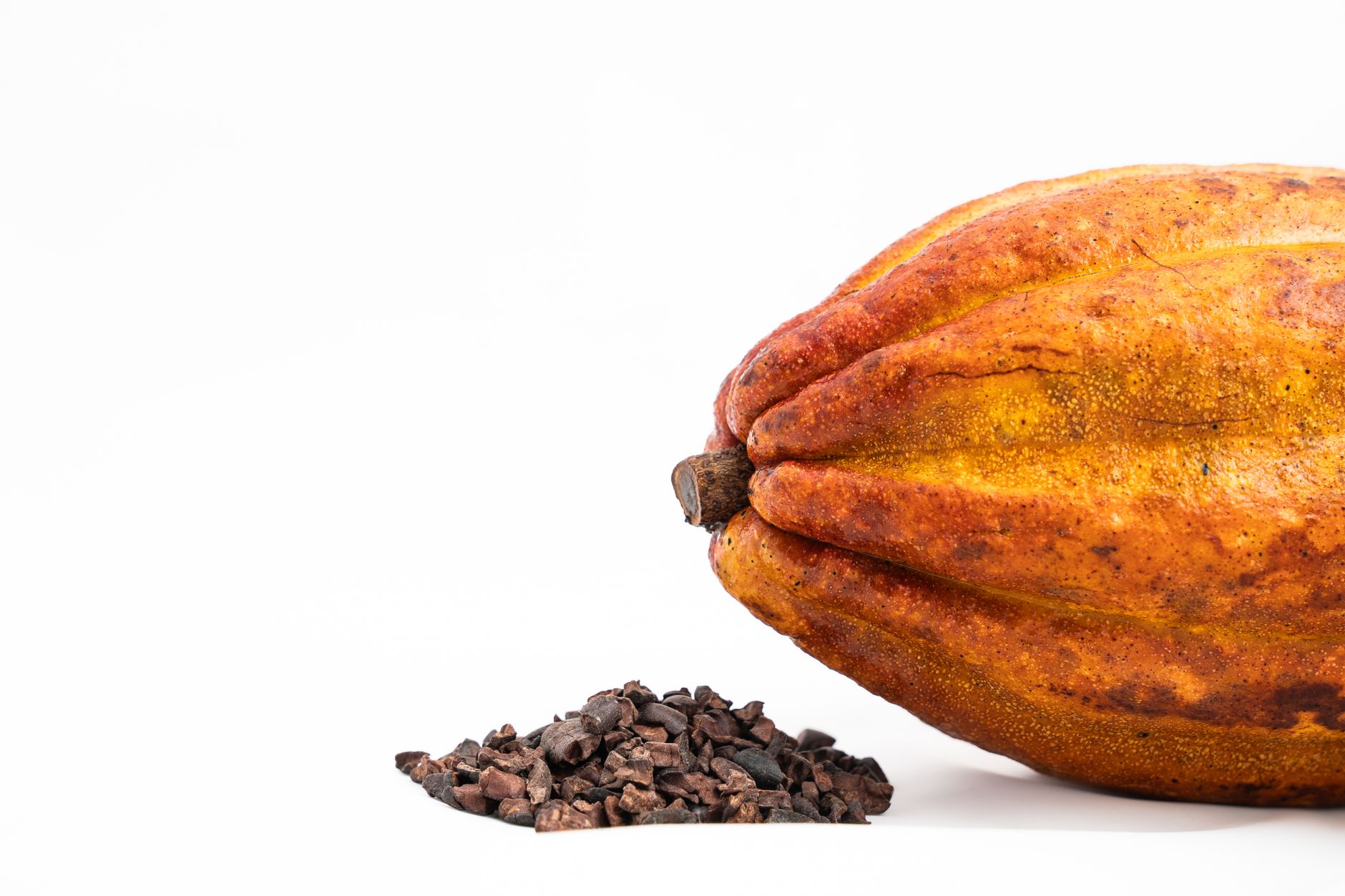
The story of chocolate begins with the cocoa tree, Theobroma cacao, which is native to the humid rainforests of Central America and South America. The Olmecs, one of the earliest Mesoamerican civilizations, are believed to be the first people to cultivate cocoa plants around 1500 BCE. They used the beans to create a drink known as “xocolatl,” which was bitter and often flavored with spices or honey.
As civilizations grew, so did the use of cocoa. The Mayans, known for their advanced society and culture, adopted the cocoa drink and considered it a gift from the gods. They prepared it as a frothy beverage, often served during religious ceremonies or social gatherings. The drink symbolized wealth and prestige, and the cocoa bean itself was used as currency, emphasizing its immense value.
The Role of the Aztecs
The Aztecs took the chocolate culture to another level. They revered the cacao bean and associated it with the god Quetzalcoatl. For them, chocolate was not merely a food but a symbol of elite status that only the wealthy could enjoy. They sweetened the bitter beverage with honey, vanilla, and even chili peppers, making it a unique and complex drink.
In addition to its social and spiritual significance, the Aztecs believed that chocolate had aphrodisiac properties. It was often consumed by warriors before battle, believed to provide strength and energy. This further solidified chocolate’s importance in their culture.
European Introduction of Chocolate
The introduction of chocolate to Europe occurred in the early 16th century after Spanish explorers, including Hernán Cortés, returned from the New World. They brought cocoa beans and the knowledge of how to prepare the drink. Initially, chocolate remained a luxury only consumed by the Spanish aristocracy, often flavored with sugar and cinnamon to suit European tastes.
By the 17th century, chocolate houses emerged in cities like London and Paris, where the upper classes gathered to enjoy this exotic beverage. Changes in preparation methods began to occur; the drink was made hotter and sweeter, and it was often served with milk. This evolution marked the beginning of chocolate’s transformation from a traditional beverage to a more varied product.
The Industrial Revolution and Chocolate’s Transformation
The 19th century brought groundbreaking changes in the chocolate industry with the advent of the Industrial Revolution. Innovative technologies and processing methods allowed for the mass production of chocolate. In 1828, Coenraad Johannes van Houten invented the cocoa press, which made it possible to extract cocoa butter from cocoa beans, leading to the creation of solid chocolate.
Following this invention, chocolate manufacturers began producing bars and confections that could be consumed in solid form. In 1847, Joseph Fry created the first modern chocolate bar by combining cocoa powder, sugar, and cocoa butter. This innovation paved the way for a variety of chocolate products that emerged in the following decades.
Mass Production and Confectionery
As chocolate gained popularity, several key players in the industry played crucial roles in its development. The Cadbury company, founded in 1824, introduced milk chocolate in the 1860s, creating a sweeter product that appealed to a broader audience. New brands like Hershey’s, Lindt, and Nestlé followed, further popularizing chocolate confections around the globe.
With the onset of the 20th century, chocolate became a common treat enjoyed by people of all ages. It was no longer just for the elite, as mass production made it accessible to the average consumer. Chocolate bars, candies, and baked goods filled the shelves of stores everywhere, solidifying chocolate’s place in modern confectionery.
Chocolate Today
Today, chocolate is not only a leading treat but also an artistic medium for chefs and chocolatiers. The rise of artisanal chocolate has led to a renewed interest in high-quality, ethically sourced cacao. Gourmet chocolate brands now focus on single-origin chocolate, celebrating the unique flavors that vary depending on the region where the cacao is grown.
Additionally, concerns about sustainability have led to initiatives aimed at fair trade practices and environmentally-conscious farming methods. Consumers increasingly seek to understand the journey of chocolate from bean to bar, promoting a greater appreciation for its complex history.
Chocolate Varieties: Types and Uses
To better understand chocolate’s evolution, it’s helpful to explore the different types of chocolate and their culinary uses.
Dark Chocolate
Dark chocolate, made primarily from cocoa solids, cocoa butter, and sugar, contains little to no milk solids. It has a rich flavor and is often used in baking, desserts, and as a standalone treat.
Milk Chocolate
Milk chocolate contains milk solids in addition to cocoa solids, which gives it a creamier texture and sweeter taste. It is commonly used in candy bars and confections and can often be found in baking recipes where a sweeter flavor is desired.
White Chocolate
Technically not chocolate in the traditional sense, white chocolate is made from cocoa butter, sugar, and milk solids, lacking cocoa solids that provide the typical flavor of dark or milk chocolate. It is often used in baking for sweeter desserts and can also serve as a decorative element.
Ruby Chocolate
A relatively new addition to the chocolate family, ruby chocolate is made from specially processed cocoa beans. Its distinct pink color and tart berry-like flavor provide a unique alternative for creative dessert presentations and pairings.
Culinary Uses of Chocolate
Chocolate’s versatility makes it a popular ingredient in various culinary applications. Here are some common uses:
- Baking: Chocolate is a staple in cookies, brownies, cakes, and pastries, adding richness and depth of flavor.
- Confections: With the growth of artisanal chocolatiers, there is a wide range of chocolate candies and truffles available today.
- Hot Chocolate: A warming beverage made from melted chocolate or cocoa powder, often served with marshmallows or whipped cream.
- Savory Dishes: Chocolate can also enhance the flavors in savory dishes, such as mole sauce, which incorporates chocolate as a crucial ingredient.
Making Chocolate at Home: A Simple Recipe
While chocolate is widely available commercially, you might consider making your own chocolate at home. Here’s a simple recipe for dark chocolate that you can customize to your liking.
Ingredients
- 1 cup cocoa butter
- 1 cup cocoa powder
- 3/4 cup powdered sugar (adjust to taste)
- 1 teaspoon vanilla extract
- 1/4 teaspoon salt
Essential Equipment
- Double boiler or microwave-safe bowl
- Silicone chocolate molds or a parchment-lined baking dish
- Spatula
Method
- Set up a double boiler by placing a heatproof bowl over a pot of simmering water. Alternatively, use a microwave-safe bowl.
- Add cocoa butter to the bowl and melt gently, stirring until fully liquefied.
- Once melted, remove from heat and add the cocoa powder, powdered sugar, vanilla extract, and salt. Stir until smooth and well combined.
- Pour the mixture into silicone molds or a parchment-lined baking dish to create chocolate bars.
- Refrigerate until fully set, typically 1 to 2 hours, then remove from molds and enjoy.
Common Mistakes to Avoid
When making chocolate at home, keep these common pitfalls in mind:
- Overheating the Cocoa Butter: Melt cocoa butter gently to avoid burning it, which can affect the flavor.
- Improper Mixing: Ensure all ingredients are well combined to avoid a gritty texture.
- Using the Wrong Molds: Choose molds that are non-stick or silicone to make it easier to remove the chocolate.
Storing Homemade Chocolate
Store your homemade chocolate in a cool, dry place, ideally in an airtight container, to maintain its freshness. If stored properly, it can last for several weeks or even months.
Chocolate Around the World
Chocolate is enjoyed globally, with each culture adding its twist to the ingredient. Here are some fascinating chocolate traditions from around the world:
Mexico
In Mexico, traditional chocolate drinks often include spices such as cinnamon and vanilla, creating a complex flavor profile. Mexican hot chocolate is rich and often served with a frother for a creamy texture.
Switzerland
Switzerland is famous for its high-quality milk chocolate, with brands like Lindt and Toblerone producing iconic products known for their creaminess and smooth texture.
Belgium
Belgian chocolatiers are known for their craftsmanship and artisanal chocolates, with pralines and truffles highly sought after. The country takes great pride in its chocolate quality and innovation.
Conclusion
The invention of chocolate tells a story that spans centuries and continents, reflecting cultural significance and innovation. From ancient Mesoamerican rituals to modern-day chocolate bars, its richness and versatility continue to captivate palates around the world. As you savor your next piece of chocolate, consider the journey it has taken to reach your hands and how it has evolved over time.
For your next culinary adventure, explore delicious recipes such as a traditional Dubai chocolate recipe or a comforting Mexican hot chocolate recipe. Discover the flavors and traditions that make chocolate such a beloved ingredient globally.