
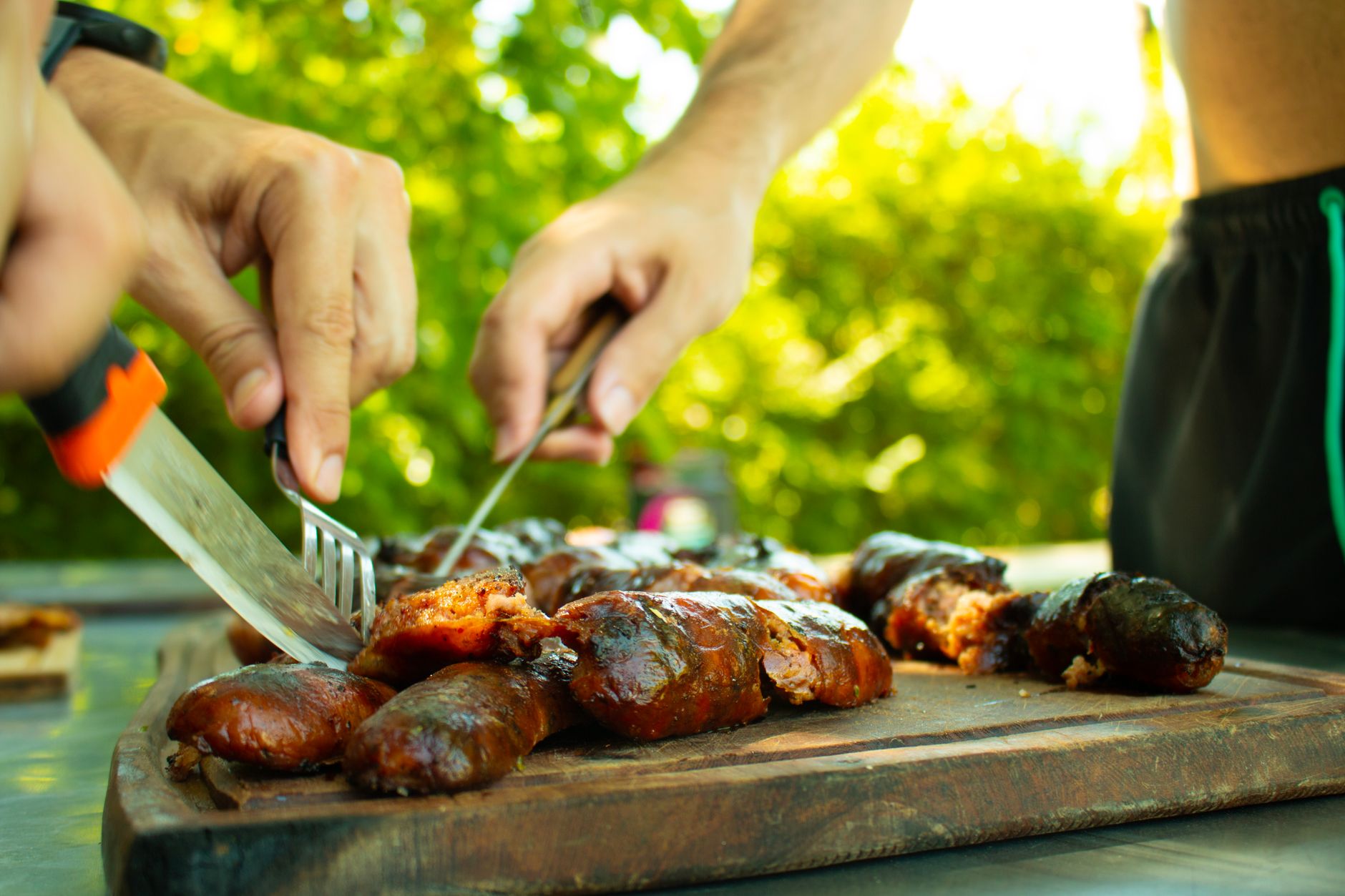
Chorizo, the spicy, flavorful sausage originating from Spain and Mexico, is a beloved ingredient in various cuisines. Its rich taste makes it a favorite for breakfast, tacos, and numerous dishes. However, knowing when chorizo is done cooking is essential for both safety and achieving the best flavor and texture.
In this guide, we will explore how to determine when chorizo is fully cooked, the best cooking methods, doneness tips, and important safety guidelines to keep in mind when handling this delicious sausage.
How Do You Know When Chorizo Is Done?
Chorizo is considered done when it reaches an internal temperature of 160°F (71°C). This ensures that the sausage is safe to eat and has developed its full flavor. Additionally, you can check for doneness by observing its color and texture, but a thermometer provides the most reliable check.
What Makes Chorizo Unique?
Chorizo is distinct from other sausages because it is typically made with pork and spiced with garlic, smoked paprika, and other seasonings. Its robust flavor can vary based on the region and preparation method. Spanish chorizo is often cured and eaten without cooking, whereas Mexican chorizo is typically sold fresh and needs to be cooked thoroughly.
Understanding Chorizo Types
Before diving into cooking chorizo, it’s important to understand the different types available:
- Spanish Chorizo: Often cured and ready to eat, it usually has a firm texture and a smoky flavor.
- Mexican Chorizo: A fresh sausage usually sold in casings, it needs to be fully cooked before consumption and has a softer texture.
- Vegetarian/Vegan Chorizo: Made from plant proteins, it mimics the flavor of traditional chorizo but must be cooked according to package instructions.
Cooking Methods for Chorizo
There are various methods for cooking chorizo, each influencing the final texture and flavor. Here are some popular techniques:
1. Sautéing
- Heat a skillet over medium heat.
- Add a small amount of oil (if necessary) to prevent sticking.
- Remove chorizo from its casing (if using Mexican chorizo) and crumble it into the skillet.
- Cook for approximately 8-10 minutes, stirring frequently, until browned and cooked through.
2. Grilling
- Preheat your grill to medium-high heat.
- Slightly oil the grill grates to prevent sticking.
- Place whole sausage links directly on the grill.
- Grill for about 12-15 minutes, turning occasionally, until cooked through.
- Use a meat thermometer to check that internal temperature reaches 160°F (71°C).
3. Baking
- Preheat your oven to 400°F (200°C).
- Place the chorizo in a baking dish.
- Bake for about 20-25 minutes, turning halfway through.
- Check for doneness with a meat thermometer.
4. Boiling
- Place chorizo links in a pot of boiling water.
- Boil for about 15 minutes.
- Remove and check the internal temperature; cook longer if necessary.
Signs of Doneness in Chorizo
Various indicators signal that chorizo is done cooking, beyond relying solely on a meat thermometer:
- Color: Fully cooked chorizo should have a deep red or brown coloring, depending on the type.
- Texture: The sausage should feel firm to the touch, without any raw softness.
- Juices: When pricked, the juices should run clear without any pink tinge.
- Aroma: A robust, spicy aroma should fill your kitchen as it cooks!
Safety Guidelines for Cooking Chorizo
With any meat product, food safety is crucial. Here are essential guidelines to keep in mind while cooking chorizo:
- Always thaw chorizo in the refrigerator or microwave, never on the counter.
- Cook chorizo to an internal temperature of 160°F (71°C) to ensure safety.
- Use a dedicated cutting board for raw chorizo and wash it thoroughly afterward to prevent cross-contamination.
- Keep cooked chorizo at safe temperatures; serve immediately or store properly in the fridge.
Common Mistakes When Cooking Chorizo
While cooking chorizo can be straightforward, a few common mistakes can impact your dish:
- Overcooking: This can dry out your chorizo. Pay close attention to texture and color, and rely on your meat thermometer.
- Not removing the casing: If using fresh chorizo, remember to take the casing off before cooking for better texture and flavor.
- Underestimating seasoning: Because of its rich flavor, chorizo can handle bold spices, so don’t be shy with seasoning in your recipes.
Chorizo Recipe Ideas
Chorizo is incredibly versatile and can enhance numerous dishes. Here are some ideas:
- Breakfast Tacos: Scrambled chorizo with eggs, avocado, and salsa.
- Chorizo and Potato Hash: Diced potatoes sautéed with chorizo, topped with fried eggs.
- Chorizo Quesadillas: Chorizo and cheese melted between tortillas, served with salsa.
- Chorizo Chili: A hearty chili made with beans, tomatoes, and chorizo.
Cooking Tips for Perfect Chorizo
To ensure that your chorizo dish is top-notch, consider these tips:
- Pair chorizo with a variety of ingredients, such as beans, potatoes, and peppers, to balance its robust flavor.
- For added depth, consider sautéing onions or garlic before adding the chorizo.
- Don’t discard any leftover fat in the pan after cooking chorizo; it’s full of flavor and can be used to enhance the taste of other dishes.
Storing and Reheating Chorizo
Proper storage and reheating are vital for maintaining the quality of your chorizo:
- Refrigeration: Cooked chorizo should be stored in an airtight container in the refrigerator and consumed within 3-4 days.
- Freezing: To extend its shelf life, you can freeze cooked chorizo for up to 3 months. Make sure to store it in a freezer-safe container.
- Reheating: When reheating chorizo, ensure it reaches an internal temperature of 165°F (74°C).
Conclusion
Understanding how to know when chorizo is done is essential for both safety and achieving the best flavor in your dishes. Always use a meat thermometer to ensure it reaches the safe internal temperature of 160°F (71°C), and keep an eye on its texture and color as additional cues. With these tips and techniques, you can confidently incorporate chorizo into your cooking, creating delicious meals that showcase this flavorful sausage.
Explore more about flavorful dishes with our guides on andouille sausage or discover the taste of saffron. Check out our resources for expanding your culinary knowledge and improving your cooking skills.