
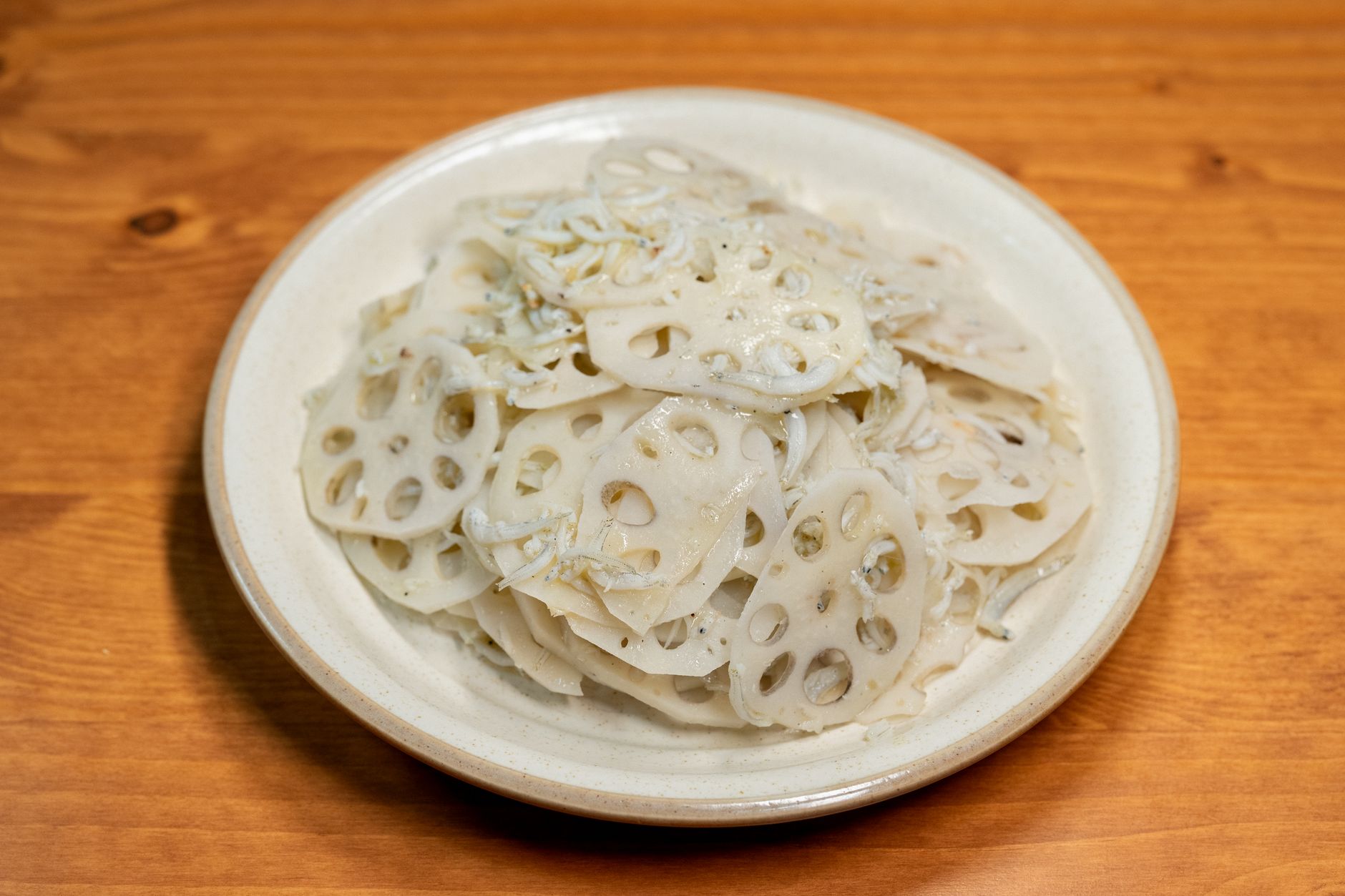
Lotus root is a unique and versatile ingredient known for its distinct flavor and interesting texture. Used in various cuisines, particularly in Asian cooking, it offers a delightful crunch and slight sweetness, making it a fantastic addition to many dishes. Understanding its taste and culinary uses can enhance your cooking repertoire.
This article will delve into what lotus root tastes like, explore its culinary applications, provide preparation methods, and suggest ways to incorporate it into your meals. Let’s get started!
What Does Lotus Root Taste Like?
Lotus root has a mild, slightly sweet flavor with a hint of a starchy quality. Its texture is crunchy when raw, becoming tender yet still firm when cooked. The flavor profile is subtle, allowing it to absorb surrounding seasonings and ingredients, making it very versatile in various dishes.
Understanding the Flavor Profile
The unique flavor and texture of lotus root stem from its structure. The flesh of the root is crisp, fibrous, and has a slightly creamy texture. When raw, it resembles a cross between a potato and a water chestnut, retaining moisture and offering a refreshing crunch.
When cooked, the starches gelatinize, which softens the root while maintaining some crunch, making it a great choice for stir-fries, soups, and salads. Its slightly sweet flavor can complement both savory and sweet dishes.
Raw vs. Cooked Lotus Root
Raw lotus root is often used in salads or as a garnish. If you’re looking for a fresh, crunchy texture in your dish, consider incorporating it raw. Cooking methods such as boiling, steaming, or frying change its texture and bring out its earthy sweetness. Cooked lotus root pairs well with spices and sauces, allowing it to absorb bold flavors.
Culinary Uses of Lotus Root
Lotus root is a popular ingredient in Asian cuisines, particularly in Chinese, Japanese, and Indian dishes. Here are some of the most common ways to use it:
- Stir-Fries: Lotus root can be sliced thinly and included in stir-fries for added crunch.
- Soups: It’s often used in hearty soups, where it brings flavor and texture.
- Pickles: In some Asian cultures, lotus root is pickled and served as a side dish or appetizer.
- Salads: Thinly sliced raw lotus root can add an interesting texture to salads.
- Tempura: Lotus root can be battered and deep-fried, combining crunchiness and tenderness.
How to Prepare Lotus Root
Preparing lotus root is relatively simple, but following the right steps ensures that you get the best flavor and texture from this ingredient.
Selecting Lotus Root
When selecting lotus root, choose firm, unblemished, and light brown roots. Avoid those with dark spots or soft areas, as these may indicate spoilage. Fresh lotus root should feel heavy for its size and have a moist appearance.
Cleaning and Peeling
- Begin by rinsing the lotus root under cold water to remove any dirt or debris.
- Using a vegetable peeler, carefully remove the outer skin. This layer is tough, so make sure to peel thoroughly.
- Once peeled, slice the lotus root into thin rounds or whatever shape you need for your recipe.
- To prevent browning, soak the sliced lotus root in water mixed with a bit of lemon juice or vinegar until ready to use.
Cooking Methods
There are various ways to cook lotus root, each yielding different textures and flavors. Below are some popular cooking methods:
Boiling
Boiling lotus root is a straightforward method to make it tender without losing its crunch.
- Bring a pot of salted water to a boil.
- Add the sliced lotus root and boil for about 5-7 minutes until just tender.
- Drain and quickly submerge in cold water to stop the cooking process.
Stir-Frying
Stir-frying lotus root brings out its natural sweetness while maintaining its crunch.
- Heat a tablespoon of oil in a wok or large skillet over medium-high heat.
- Add sliced lotus root and stir-fry for about 3-5 minutes until slightly golden.
- Add your choice of vegetables, protein, and seasonings, stirring well to combine.
Deep-Frying
Deep-fried lotus root can make for a delicious snack or appetizer.
- Slice lotus root into thin rounds and soak in cold water for about 30 minutes.
- Drain and pat dry. Coat the slices with a mixture of cornstarch and flour for a crispy texture.
- Heat oil in a deep fryer or pot to 350°F (175°C) and fry the slices until golden brown, about 2-3 minutes.
- Drain on paper towels and season with salt or your favorite spices.
Steaming
Steaming is a healthy way to retain the nutrients and essential flavor of lotus root.
- Place the sliced lotus root in a steamer basket lined with parchment paper.
- Steam for about 10-15 minutes until tender but still firm.
- Season with soy sauce or sesame oil for added flavor.
Flavor Pairings with Lotus Root
Lotus root’s mild flavor allows it to pair well with a variety of ingredients and seasonings.
Herbs and Spices
- Ginger: Its spiciness contrasts nicely with the sweetness of lotus root.
- Garlic: Adds an aromatic kick, enhancing the overall flavor profile.
- Chili: Provides heat and balances the sweetness.
Others Ingredients
- Soy Sauce: Adds a savory depth that complements lotus root perfectly.
- Vinegar: Brightens the sweetness, especially in salads and pickles.
- Sesame Oil: Imparts a nutty flavor that enhances the earthiness of lotus root.
Storing Fresh Lotus Root
To preserve the freshness of lotus root, store it properly:
- Wrap fresh, unpeeled lotus root in a damp cloth and place it in a paper bag. This helps to keep it moist and should be stored in the crisper drawer of your refrigerator.
- For peeled slices, keep them submerged in water in an airtight container in the refrigerator. Change the water daily if storing for several days.
Common Mistakes When Cooking with Lotus Root
Some common errors can affect the quality of your dishes. Here’s how to avoid them:
- Not soaking the lotus root after peeling can lead to browning; always soak in acidulated water.
- Overcooking can make the root mushy. Monitor cooking times to retain its crunchy texture.
- Failing to remove excess moisture when frying can result in soggy pieces. Always pat slices dry before frying.
Flavor Variations and Substitutions
If you can’t find lotus root or want to experiment, consider these alternatives:
- Water Chestnuts: Offer a similar crunchy texture but with a milder flavor.
- Jicama: A sweet, crispy root vegetable that can replicate the texture of lotus root in salads.
- Carrots: If sliced thinly, they can mimic the crunchy aspect but with a sweeter taste.
Lotus Root in Regional Cuisines
Lotus root is featured prominently in various cuisines across Asia:
Chinese Cuisine
In China, lotus root is often found in stir-fries, soups, and stews. A popular dish is stir-fried lotus root with pork, highlighting its ability to absorb flavors.
Japanese Cuisine
In Japan, it is known as renkon and is commonly used in tempura or pickled as a side dish.
Indian Cuisine
In India, lotus root is used in dishes like sabzi and kosambari, providing a unique texture and flavor.
Conclusion
Lotus root is a versatile and flavorful ingredient that can elevate your dishes. Equipped with knowledge about its taste, preparation methods, and culinary uses, you can confidently incorporate it into your cooking. Whether in a stir-fry, salad, or soup, lotus root’s unique characteristics offer endless possibilities to explore in the kitchen.
For more inspiration, consider checking out our guides on various cooking techniques and ingredients. Explore fresh culinary ideas and elevate your cooking journey!