
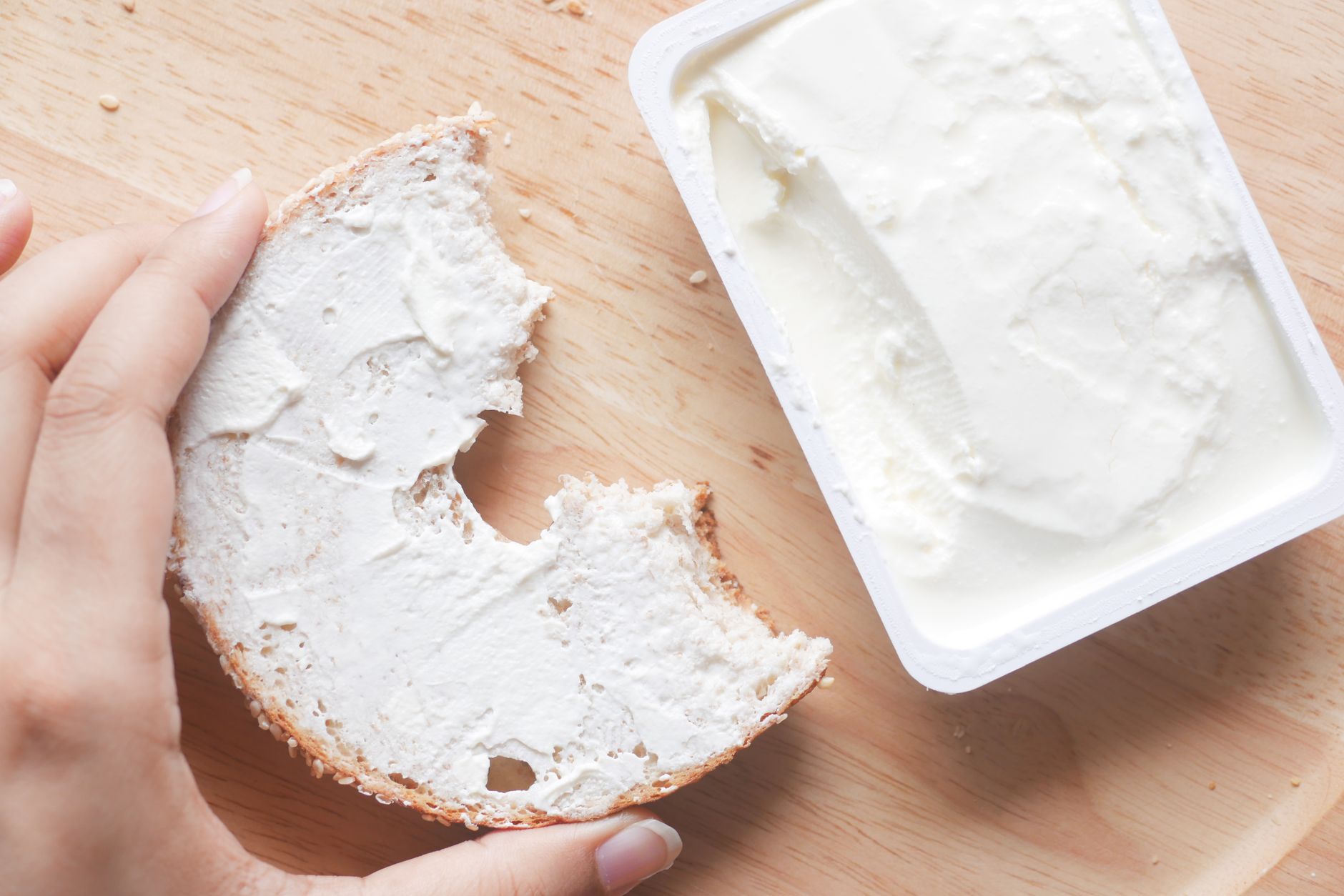
The question “Is Chris Morgan Bagel Boss Still Alive?” touches on the curiosity surrounding his impact on the food world, especially in bagel culture. While the focus may seem detached from traditional cooking discussions, it opens the door to exploring the culinary gem known as the bagel and its various dimensions. Understanding bagels—including their history, preparation methods, and recipes—can enrich your appreciation of this beloved food.
This article dives deep into the art and joy of bagel-making, covering essential facts, popular bagel recipes, and tips to ensure the perfect homemade bagel that captures the essence of what made bagels a staple in many cultures.
What Makes Bagels Unique?
Bagels are distinct from other bread due to their unique preparation method and chewy texture. Traditionally, bagels are boiled before baking, which gives them a shiny, crisp crust while maintaining a chewy interior. This technique sets them apart from typical bread styles and adds to their appeal.
History of the Bagel
The origin of the bagel dates back to Eastern Europe, where they were first crafted by Jewish communities. Their popularity surfaced in the United States during the late 19th and early 20th centuries, particularly in New York City, where they became a beloved breakfast staple. Not only do bagels hold cultural significance, but they have also evolved with various flavors and toppings to become a versatile culinary item.
Essential Ingredients for Making Bagels
To embark on your bagel-making journey, familiarize yourself with the essential ingredients. The beauty of bagels lies in their simplicity, requiring just a few basic components:
- 2 cups all-purpose flour
- 1 cup bread flour
- 1 tablespoon sugar
- 1 teaspoon salt
- 1 packet (2 1/4 teaspoons) active dry yeast
- 1 cup warm water (about 110°F or 43°C)
- 1 tablespoon of malt syrup or honey (optional, for boiling)
Each of these ingredients plays a specific role:
- Flour: A blend of all-purpose and bread flours provides structure and chewiness.
- Yeast: Vital for leavening, yeast helps the dough rise and provides flavor.
- Sugar: Adds a hint of sweetness and assists the yeast’s fermentation process.
- Salt: Enhances flavor and strengthens gluten structure.
- Malt syrup or honey: Used during boiling, these create a flavorful crust.
Bagel Recipe: Step-by-Step Instructions
Now that you are equipped with the basic knowledge and essential ingredients, let’s dive into a straightforward bagel recipe. This recipe yields about 8 bagels and takes approximately 15 minutes of prep time, plus an additional 30 minutes of resting and boiling time.
Equipment Needed:
- Mixing bowl
- Wooden spoon or dough hook
- Measuring cups and spoons
- Kitchen scale (optional)
- Boiling pot
- Baking sheet
- Parchment paper
- Cooling rack
Instructions:
- In a mixing bowl, combine both flours, sugar, and salt.
- In a separate bowl, activate the yeast by combining warm water and yeast. Let it sit for about 5 minutes until frothy.
- Pour the yeast mixture into the flour mixture and stir until a rough dough forms.
- Knead the dough on a floured surface for 10 minutes until it becomes smooth and elastic.
- Place the kneaded dough in a greased bowl, cover it with a damp towel, and allow it to rise in a warm place for about 20-30 minutes, or until it doubles in size.
- Preheat your oven to 425°F (220°C) and prepare a baking sheet lined with parchment paper.
- Once risen, punch down the dough and divide it into 8 equal pieces.
- Shape each piece into a ball, then poke a hole in the center with your finger to form a bagel shape.
- In a large pot, bring water to a boil and add malt syrup or honey.
- Boil the bagels for about 30 seconds on each side, then use a slotted spoon to remove them and place them on the prepared baking sheet.
- Optionally, you can sprinkle toppings like sesame seeds or poppy seeds before baking.
- Bake the bagels in the preheated oven for 20-25 minutes until golden brown.
- Remove from the oven and let them cool on a wire rack before serving.
Flavor Variations and Toppings
Bagels can be made more exciting with various flavors and toppings. Here are some ideas to consider:
- Onion Bagels: Add minced onion or onion powder to the dough for added flavor.
- Cinnamon Raisin Bagels: Incorporate cinnamon and raisins into the dough for a sweet twist.
- Everything Bagels: Mix sesame seeds, poppy seeds, garlic powder, and onion flakes for the classic topping.
- Cheese Bagels: Sprinkle shredded cheese on top before baking for a cheesy delight.
Experimenting with flavors can also mean using new ingredients like herbs, spices, or even flavored oils to infuse your bagels with exciting tastes. The possibilities are endless!
Common Mistakes When Making Bagels
Making bagels may seem straightforward, but a few common pitfalls can lead to less-than-ideal results. Here are tips to avoid those mistakes:
- Under-kneading: Proper kneading develops gluten, which is vital for a chewy texture.
- Not boiling long enough: Boiling bagels helps achieve that signature chewy crust.
- Skipping toppings: Don’t overlook this step—additional flavors can elevate your bagels.
Storage and Reheating Tips
After your bagels come out of the oven, it’s important to know how to store them correctly. Here are some practical tips:
- Store bagels in an airtight bag or container at room temperature for up to two days.
- For longer storage, freeze bagels individually in freezer bags. They can last up to three months in the freezer.
- To reheat, warm them in a toaster or toaster oven until crispy. For frozen bagels, simply toast from frozen or let them thaw before heating.
Exploring Different Types of Bagels
Bagels also come in various forms, suited for different tastes and occasions. Understanding these varieties can enhance your bagel experience:
- New York Style Bagels: These are the iconic bagels characterized by their dense and chewy texture.
- Montreal Style Bagels: Slightly sweeter and eggier, these bagels are often smaller and denser than their New York counterparts. They are boiled in honey-sweetened water.
- Mini Bagels: Perfect for snacking, mini bagels can be a fun appetizer or a component of a platter.
Bagels and Dietary Considerations
As you explore bagels, consider dietary needs and preferences. Here are some insights:
- Gluten-Free Bagels: A plethora of gluten-free flours is available for those with gluten sensitivities. Chickpea flour, rice flour, or gluten-free blends can be used.
- Whole-Grain Bagels: For increased fiber and nutrients, substitute whole wheat flour for part or all of the all-purpose flour.
- Vegan Bagels: Most bagel recipes are inherently vegan, but always check for non-dairy toppings and additives.
Conclusion
While the inquiry of “Is Chris Morgan Bagel Boss Still Alive?” may be met with various responses, what remains undeniable is the rich legacy of bagels in culinary history. By mastering bagel-making techniques, experimenting with flavors, and understanding the nuances of this beloved food item, you can create bagels that are not only delicious but also a heartfelt tribute to their cultural origins.
For those eager to expand their bagel repertoire, consider trying a blueberry bagel recipe or explore a classic lox bagel recipe to elevate your breakfast or brunch experience.