
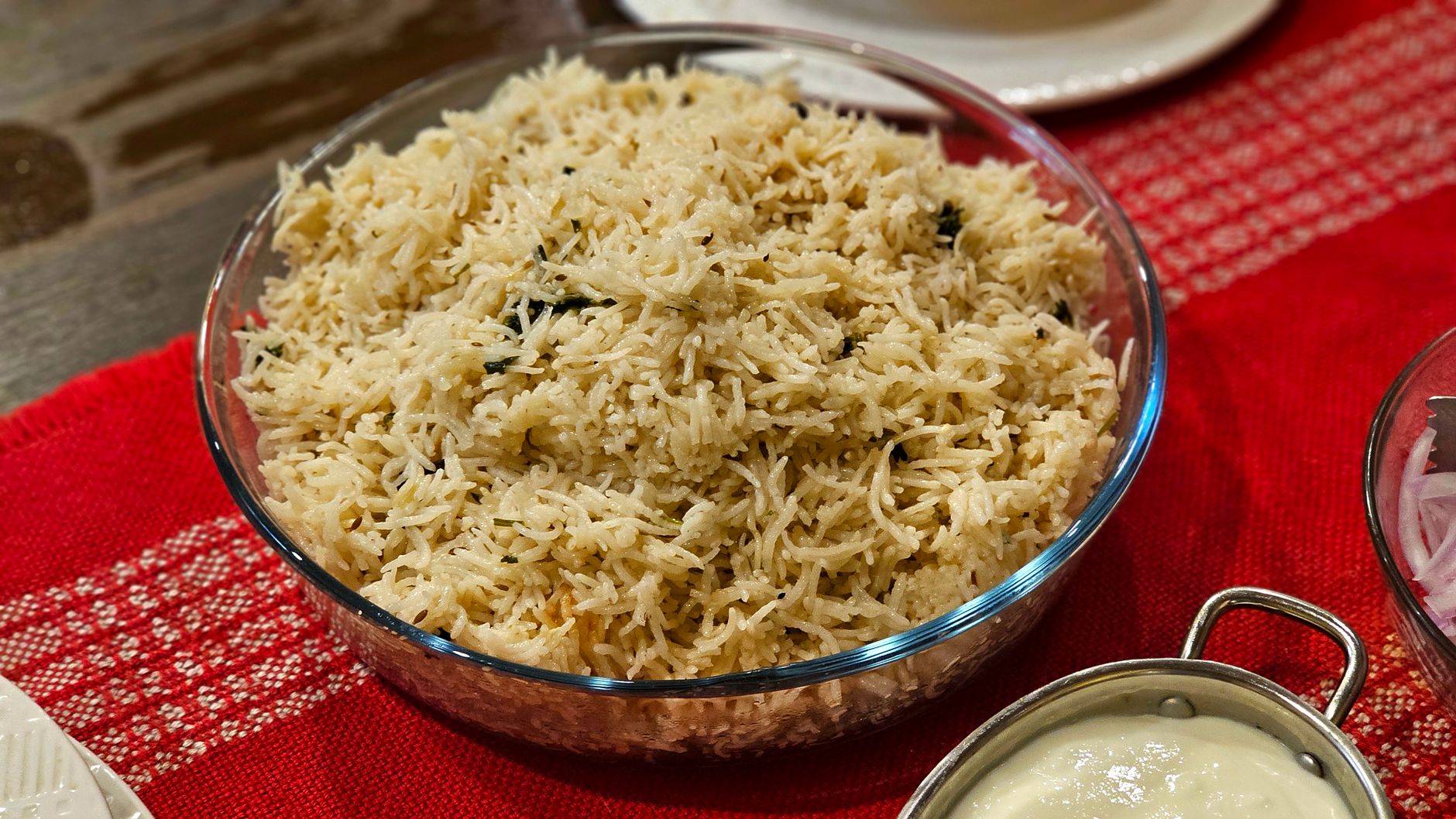
Living with collagenous colitis can be challenging, particularly when it comes to meal planning. The right dietary choices can help manage symptoms and promote better gut health. This article provides practical guidance on what foods to avoid, helping you navigate this condition more easily. Understanding which foods exacerbate symptoms can empower you to make better choices when it comes to your diet.
Collagenous colitis, a form of microscopic colitis, typically presents with chronic diarrhea and abdominal discomfort. While treatments are available, dietary adjustments play a crucial role in symptom relief. Let’s delve into what not to eat with collagenous colitis, including some serving ideas to help you make informed choices.
What Not to Eat with Collagenous Colitis?
Several food categories are best avoided or limited in your diet when dealing with collagenous colitis. These include high-fiber foods, certain dairy products, processed foods, and food additives. Each of these can irritate the gastrointestinal tract and trigger symptoms.
1. High-Fiber Foods
Fiber is usually regarded as a vital part of a healthy diet, but in the case of collagenous colitis, high-fiber foods can exacerbate symptoms. Here are specifics on what types of high-fiber foods to avoid:
Whole Grains
- Whole grain bread
- Brown rice
- Whole grain pasta
- Barley
- Quinoa
Whole grains can be tough on the digestive system during flare-ups. Opt for white rice, plain pasta, and white bread instead, which typically have lower fiber content.
Fruits and Vegetables
- Cruciferous vegetables (e.g., broccoli, cauliflower, Brussels sprouts)
- Beans and legumes
- Raw vegetables
- Berries and citrus fruits
- Nuts and seeds
While fruits and vegetables provide essential nutrients, their high fiber content can lead to bloating and diarrhea. Cook vegetables until soft and peel fruits where possible to reduce fiber content.
Serving Ideas
Consider other meal options such as:
- Mashed potatoes without skins
- Applesauce instead of whole apples
- Cooked carrots or squash
2. Dairy Products
Dairy can be particularly problematic for those with collagenous colitis, especially if lactose intolerance is also a concern. Consider avoiding the following dairy items:
- Milk
- Cheese
- Ice cream
- Cream and heavy cream
Some individuals may tolerate lactose-free options or certain cheeses. Using alternatives like almond or soy milk may be more suitable.
Serving Ideas
For recipes or dishes that normally contain dairy, consider these options:
- Use lactose-free yogurt or almond yogurt in smoothies.
- Try non-dairy creamers in your coffee.
3. Processed Foods
Processed foods can contain preservatives, artificial flavors, and additives that may irritate the gastrointestinal tract. Foods to avoid include:
- Ready-made meals
- Snack foods (chips, sugary treats)
- Frozen meals
- Cured meats
When shopping, aim for whole, natural foods. Check labels carefully to avoid added preservatives and additives.
Serving Ideas
Instead of processed snacks, consider:
- Homemade trail mix with dried fruits and sunflower seeds
- Roasted chickpeas seasoned with herbs
4. Food Additives and Sweeteners
Food additives can trigger gastrointestinal symptoms, especially artificial sweeteners like sorbitol and sucralose. When checking labels, avoid:
- Artificial sweeteners
- Food coloring and artificial preservatives
- High-fructose corn syrup
Using natural sweeteners like honey or maple syrup in moderation is often a better choice.
Serving Ideas
Some alternative sweetener choices include:
- Raw honey in baking
- Stevia in beverages
5. Fatty and Fried Foods
Greasy and fatty foods can worsen symptoms and slow digestion. Foods to be cautious with include:
- Fried foods
- Fast food items
- Processed meats with high-fat content
Instead, focus on healthy fats such as avocados and olive oil, which can be easier on the stomach.
Serving Ideas
Consider healthier alternatives like:
- Baking instead of frying (e.g., baked chicken or fish)
- Using a grill for vegetables
6. Caffeinated and Alcoholic Beverages
Caffeine and alcohol can irritate the digestive tract, leading to more severe symptoms. As a general rule, it’s best to avoid:
- Coffee, energy drinks, and strong teas
- Beer, wine, and spirits
Opt for herbal teas, decaffeinated drinks, or clear, non-carbonated beverages instead.
Serving Ideas
Consider these alternative beverages:
- Ginger tea to help soothe the stomach
- Warm water with lemon for a refreshing morning drink
Meal Planning Tips for Collagenous Colitis
Creating a balanced meal plan is essential in managing collagenous colitis. Here are some strategic meal-planning tips to help you maintain a diet within these restrictions:
Prioritize Simple Ingredients
Focus on a few basic ingredients. This will not only reduce complexity when cooking but also minimize exposure to women triggering food items.
Batch Cooking
Prepare larger quantities of gut-friendly meals and freeze leftovers. Doing this means you will always have safe meals on hand, making it easier to adhere to your dietary requirements.
Keep a Food Journal
Tracking your food intake can guide you in understanding which items trigger your symptoms. This can help you avoid these foods in the future.
Incorporate Low-FODMAP Foods
Some individuals benefit from incorporating more low-FODMAP foods into their diet. Foods like oatmeal, certain fruits, and vegetables can often be easier on the gut.
Final Thoughts on Dietary Management
Managing collagenous colitis through dietary means involves careful consideration of what not to eat. By moving away from high-fiber foods, dairy, processed items, unhealthy fats, and specific additives, you can reduce discomfort and make meal times more pleasant. The journey may require adjustments and experimentation, so be patient with your body as you discover what works for you.
As you explore your dietary options, consider trying some delicious dishes made from acceptable ingredients, ensuring that every meal is a step toward better gut health. Healthy eating doesn’t have to be bland; with creativity and planning, meals can be both safe and enjoyable.
If you’re looking to expand your kitchen repertoire, explore our various recipes and cooking tips that cater to diverse dietary needs. Finding the right balance takes time, but you’re not alone on this journey toward better health.