
Matcha, a finely ground powder made from specially grown and processed green tea leaves, offers a unique flavor and vibrant color that can enhance various dishes and beverages. Whether you’re looking to whip up a traditional matcha tea or incorporate it into a recipe, understanding what you need to make matcha is essential for success.
This article outlines the necessary ingredients, tools, and techniques for making matcha. Additionally, we will explore its various food uses and some key facts about this popular green tea powder.
What Do You Need to Make Matcha?
To make matcha, you require specific ingredients and utensils. First and foremost, you will need quality matcha powder and water. The tools typically include a chawan (matcha bowl), chasen (bamboo whisk), and a chashaku (bamboo scoop). Below are the details and their purposes.
Ingredients for Making Matcha
- Matcha Powder: The central ingredient, typically ranging from culinary grade for cooking to ceremonial grade for tea preparation.
- Water: Ideally filtered or spring water, heated to about 175°F (80°C) for optimal whisking.
- Sweetener (Optional): Honey, agave syrup, or sugar can be added to enhance flavor, especially in recipes.
- Milk or Milk Alternative (Optional): Can be used to make matcha lattes.
Essential Tools for Preparing Matcha
- Chawan (Matcha Bowl): This bowl is specially designed for whisking matcha and allows for ease of movement while preparing.
- Chasen (Bamboo Whisk): A traditional tool used to whisk matcha with water to create a frothy texture.
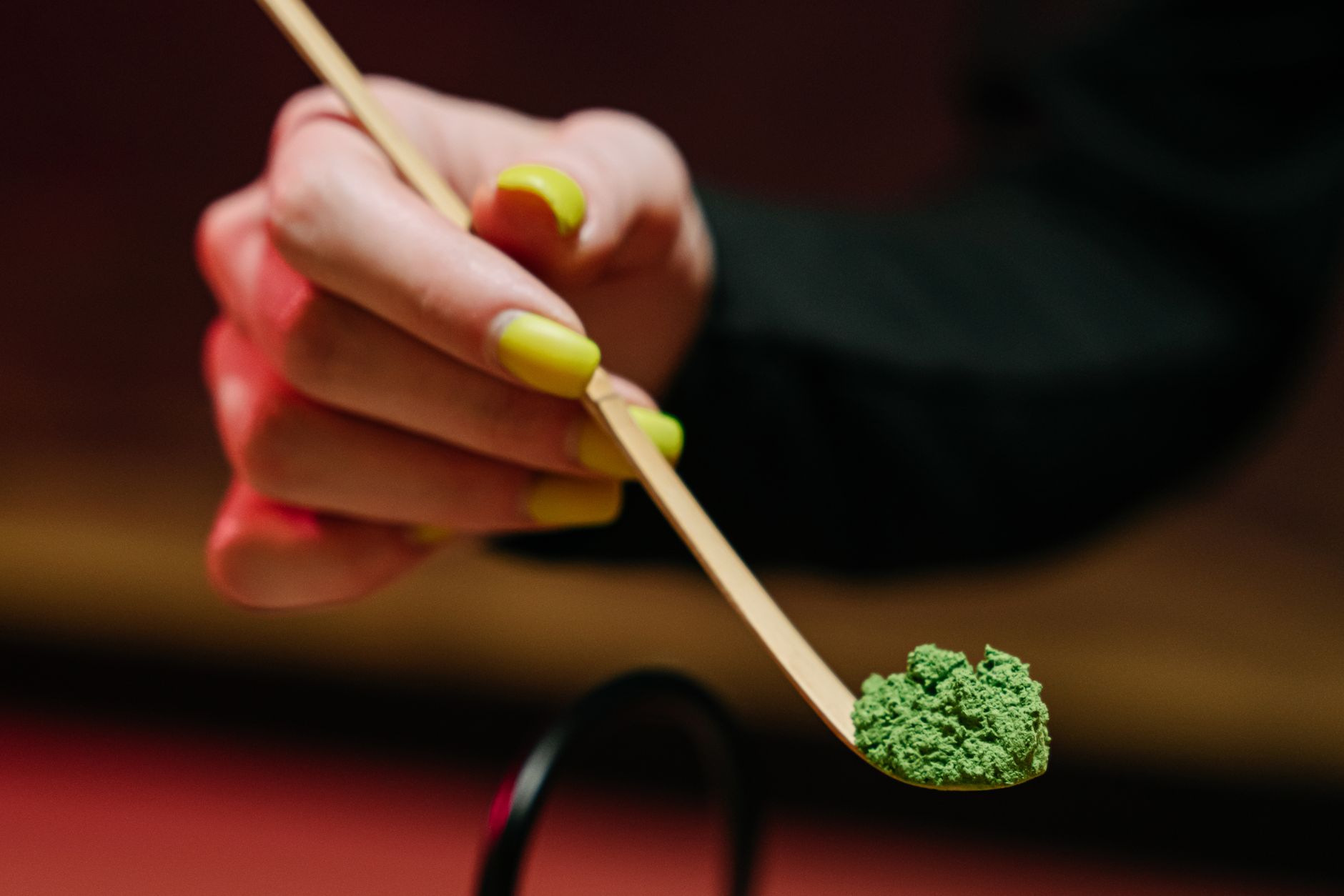
- Chashaku (Bamboo Scoop): A scoop used for measuring matcha powder accurately.
- Fine Mesh Sieve (Optional): Used for sifting matcha powder to avoid clumps and create a smoother beverage.
Steps to Prepare Traditional Matcha
- Prep Your Ingredients: Measure 1-2 teaspoons (about 1-2 grams) of matcha powder using the chashaku and place it in the chawan.
- Heat the Water: Heat the filtered water until it reaches 175°F (80°C). Avoid boiling, as high temperatures can burn the matcha and create bitterness.
- Sift the Matcha (Optional): If desired, use a fine mesh sieve to sift the matcha powder directly into the chawan, breaking up any clumps.
- Add Water: Pour about 2 ounces (60 ml) of hot water into the bowl containing matcha.
- Whisk: Use the chasen to whisk the matcha and water together. Begin slowly to mix the powder, then increase the speed to create a frothy layer on top. Whisk in an ‘M’ or ‘W’ motion.
- Adjust Consistency: For a thicker matcha, add less water; for a lighter tea, increase the water quantity.
- Serve Immediately: Enjoy your freshly prepared matcha tea plain, or sweetened to taste. If you’re opting for a matcha latte, add steamed milk here.
Considerations When Choosing Matcha
Not all matcha powders are created equal. Here’s what to keep in mind when selecting matcha:
- Grade: Ceremonial grade is best for drinking, while culinary grade is suitable for cooking and baking.
- Color: Look for bright green powder, indicating freshness and quality. Dull or yellowish matcha suggests it’s past its prime.
- Taste: Quality matcha should have a smooth, slightly sweet flavor with no bitterness. If it tastes bitter, it may not be of high quality.
Exploring Different Ways to Use Matcha
Once you have mastered the technique of making matcha, consider experimenting with its versatile uses, including:
Matcha Lattes
For a creamy and delightful drink, combine matcha with steamed milk or a non-dairy alternative. Follow these simple steps:
- Prepare matcha as outlined above.
- Steam your milk of choice until frothy.
- Add the steamed milk to the matcha, ensuring to blend well.
- Sweeten if desired and enjoy!
Matcha Smoothies
Incorporating matcha into a smoothie can boost its nutritional profile.
- Blend 1 teaspoon of matcha powder with your choice of fruits, yogurt, and a liquid base like almond milk or juice.
- Consider adding spinach or protein powder for added health benefits.
Matcha Baking
Matcha can be added to a variety of baked goods for flavor and color. Here are some basic tips:
- When baking cookies, muffins, or cakes, replace a small portion of the flour with matcha powder—usually about 1 tablespoon of matcha for every cup of flour.
- Always sift matcha powder to prevent clumping when mixing into your batter.
Matcha Desserts
This green tea powder is a delightful addition to desserts.
- Matcha Ice Cream: Blend matcha powder with cream, sugar, and egg yolks to create a creamy custard base before churning it into ice cream.
- Matcha Tiramisu: Incorporate matcha for an Asian twist on the classic Italian dessert.
Common Mistakes When Making Matcha
While preparing matcha may seem straightforward, here are some common pitfalls to avoid:
- Using Boiling Water: Water that’s too hot can lead to a bitter taste. Aim for water heated to about 175°F (80°C).
- Not Whisking Properly: Proper whisking is crucial in achieving a frothy texture. Use a chasen for the best results.
- Using Poor Quality Matcha: Using lower-quality matcha can ruin the flavor profile of your drink or dish.
Storage Tips for Matcha Powder
Matcha should be stored properly to maintain its freshness and vibrant color. Here are some storage suggestions:
- Keep it Sealed: Store matcha powder in an airtight container to prevent oxidation.
- Cool, Dark Place: Place the container in a cool, dark area, away from sunlight and heat sources.
- Refrigeration: For extended shelf life, consider keeping it in the refrigerator, but ensure it is tightly sealed to avoid moisture.
Health Benefits of Matcha
While this article does not focus on health benefits, it is worth noting that matcha is rich in antioxidants and is believed to boost metabolism, enhance mood, and provide sustained energy. Incorporating it into your routine can offer enjoyable culinary experiences alongside potential health advantages.
Key Matcha Facts
- Cultural Significance: Matcha has been a part of Japanese tea ceremonies for centuries, symbolizing community and mindfulness.
- Variability: The flavor of matcha can differ based on the variety, farming practices, and processing methods used.
- Versatility: Matcha can be used in an array of culinary creations, from savory to sweet.
Mastering the art of making matcha opens up a world of culinary opportunities. Whether you prefer traditional tea or innovative culinary uses, having the right ingredients and tools makes all the difference.
Now that you understand what you need to make matcha, consider trying out matcha tiramisu or a refreshing strawberry matcha for a tasty treat. Explore the endless possibilities this vibrant green powder has to offer.