
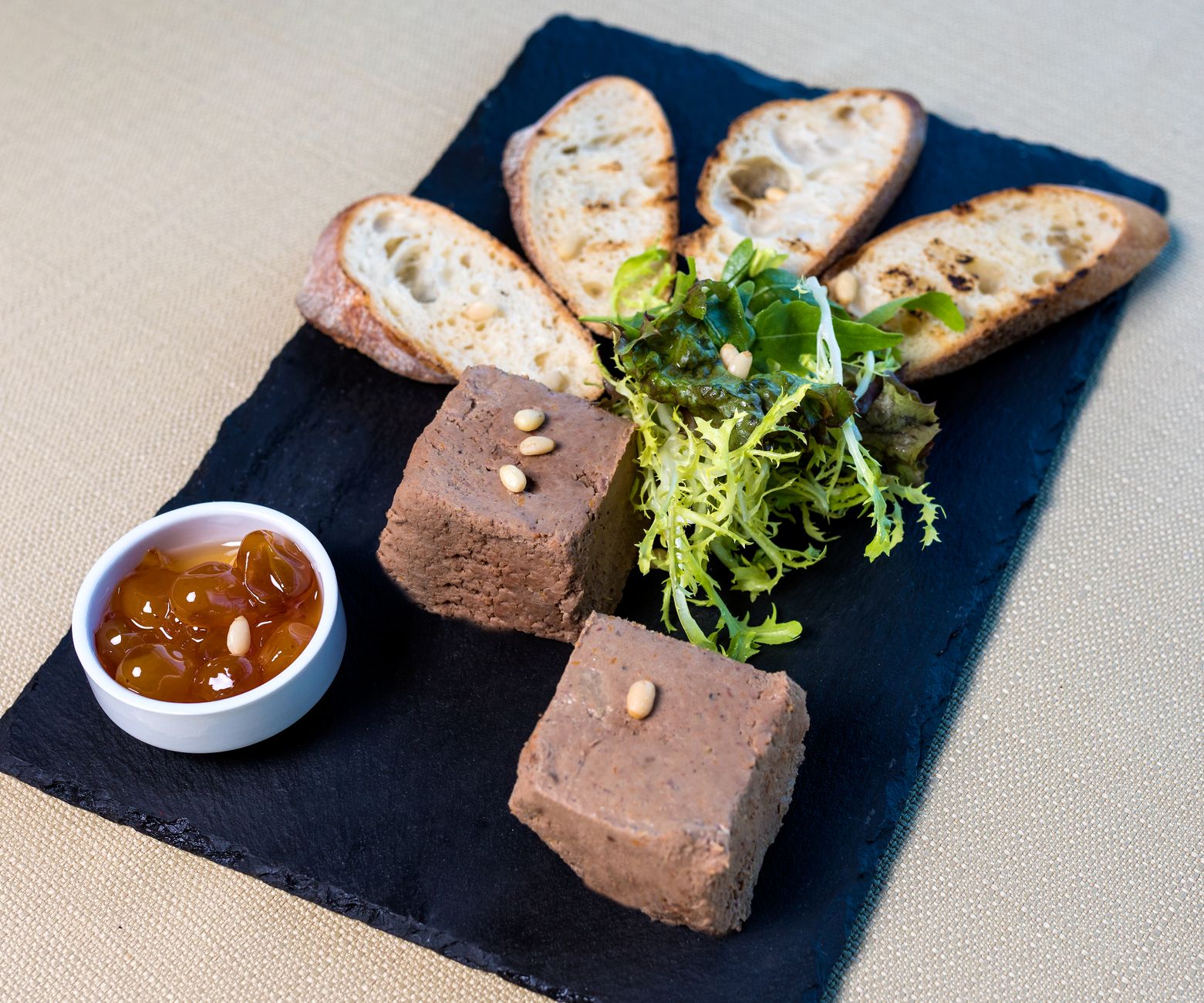
Beef liver is often hailed as a nutritional powerhouse, packed with essential vitamins and minerals that can significantly benefit your health. Despite its somewhat polarizing taste, many health enthusiasts and chefs alike advocate for including beef liver in our diets. Understanding its nutritional benefits is key to appreciating its culinary potential and health advantages.
This article delves into the reasons why beef liver is good for you, its nutrition profile, suggested portions, and how to incorporate it into your meals. Whether you’re new to liver or looking for ways to enjoy it, this guide provides practical insights.
Why Is Beef Liver Good for You?
Beef liver is a nutrient-dense food that is rich in essential vitamins and minerals. It offers high levels of vitamin A, vitamin B12, iron, and folate, contributing to a range of health benefits. These nutrients can enhance your energy levels, support immune function, and promote overall well-being.
Nutritional Breakdown of Beef Liver
To understand why beef liver is beneficial, it’s essential to look at its nutritional content. Per 100 grams (about 3.5 ounces) of cooked beef liver, you generally find approximately:
- Calories: 175
- Protein: 25 grams
- Fat: 5 grams (saturated fat: 2 grams)
- Vitamin A: 9,442 IU (189% of the Daily Value)
- Vitamin B12: 70.7 mcg (1,178% of the Daily Value)
- Iron: 6.2 mg (34% of the Daily Value)
- Folate: 260 mcg (65% of the Daily Value)
- Zinc: 4.2 mg (39% of the Daily Value)
- Coenzyme Q10: 3.3 mg
This impressive array of nutrients underscores its status as a superfood. The vitamins and minerals found in beef liver play pivotal roles in maintaining your body’s health.
Key Health Benefits of Beef Liver
Rich Source of Vitamin A
Beef liver provides an abundance of vitamin A, which is crucial for maintaining good vision, skin health, and immune function. This fat-soluble vitamin supports eye health by preventing conditions like night blindness and age-related macular degeneration.
High in Vitamin B12
Vitamin B12 is vital for red blood cell formation, neurological function, and DNA synthesis. Deficiency in this vitamin can lead to anemia and neurological issues. With over a thousand percent of the recommended daily intake in a single serving, beef liver is one of the healthiest sources of this nutrient.
Excellent Iron Source
Iron is necessary for producing hemoglobin, which helps transport oxygen throughout the body. Beef liver is particularly advantageous for individuals suffering from or at risk of iron deficiency anemia due to its high content of readily available heme iron, which is more efficiently absorbed than non-heme iron found in plant sources.
Supports Energy Levels
The combination of high-quality protein, iron, and B vitamins like B6 and B12 contributes to increased energy levels and helps combat fatigue. Eating beef liver can be a strategic dietary choice for those with high activity demands.
Promotes Mental Health
Vitamins B6 and B12 play important roles in mental health by supporting cognitive function and neurotransmitter synthesis. A diet rich in these vitamins may help reduce the risk of depression and cognitive decline.
Portioning Beef Liver
While beef liver is nutrient-rich, it is also recommended to consume it in moderation. The Dietary Guidelines suggest eating organ meats no more than once a week, especially if you are sensitive to vitamin A levels since excessive intake can lead to toxicity.
A reasonable portion of cooked beef liver is around 100 to 150 grams (3.5 to 5.3 ounces) per serving. This size balances enjoying its health benefits while avoiding excessive intake of certain nutrients.
How to Prepare and Cook Beef Liver
Beef liver has a distinct taste and texture that can be appealing with the right cooking techniques. Here are some popular methods for preparing beef liver to enhance its flavor and tenderize it.
Choosing the Right Beef Liver
When selecting beef liver, choose fresh liver from grass-fed, organically raised cattle whenever possible. Fresh beef liver should be dark red in color and have a smooth texture. Avoid liver that appears discolored or has an off-putting smell.
Preparing Beef Liver
Preparation is key to improving the taste and tenderness of beef liver:
- Soak the liver: Soaking the liver in milk for 1–2 hours may help mellow its strong flavor and remove some impurities.
- Trim: Remove any connective tissue or membranes from the liver, as they can be tough.
- Slice: Cut the liver into even slices about 1/2-inch thick for uniform cooking.
Cooking Techniques for Beef Liver
Here are a few cooking methods you can use:
Pan-Frying
This is one of the most popular methods for cooking beef liver, providing a crispy exterior while keeping the inside tender.
- Heat a skillet over medium heat and add a small amount of butter or oil.
- Once hot, add the liver slices and cook for 2–3 minutes on each side until browned but slightly pink in the center.
- Season with salt, pepper, and herbs or spices of your choice before serving.
Grilling
Grilling can infuse a smoky flavor that complements beef liver nicely.
- Preheat your grill to medium-high heat.
- Brush the liver slices with olive oil and season.
- Grill for about 3 minutes on each side until cooked through but not overdone to maintain tenderness.
Slow Cooking
For those who enjoy a tender, fall-apart texture, slow cooking beef liver can be an excellent option.
- Chop the liver into chunks and season well.
- Add to a slow cooker with vegetables, broth, and herbs.
- Cook on low for 4–6 hours until tender.
Flavor Pairings and Serving Suggestions
Pairing beef liver with complementary flavors can enhance its appeal. Here are a few suggestions:
- Onions: Caramelized onions add sweetness that balances the liver’s richness.
- Garlic: Roasted or sautéed garlic provides depth and aromatic flavor.
- Herbs: Fresh herbs like parsley, thyme, or sage can brighten dishes featuring liver.
- Acids: Lemon juice or balsamic vinegar can help cut through the richness and enhance flavors.
Beef liver can be served in various ways, such as:
- As a main dish, with sides of sautéed greens and roasted potatoes.
- In a liver pâté spread on toast or crackers.
- In stir-fries with vegetables, rice, and a splash of soy sauce.
Common Mistakes When Cooking Beef Liver
Cooking beef liver can be straightforward, but here are some frequent pitfalls to avoid:
- Overcooking: Beef liver cooks quickly and becomes tough if overcooked. Aim for a tender, slightly pink center.
- Neglecting flavoring: Skipping on seasoning or complementing ingredients can result in an unappetizing dish.
- Insufficient soaking: Not soaking it in milk can lead to a stronger flavor that may be off-putting to some.
Storage and Reheating of Beef Liver
If you have leftovers, proper storage is key to maintaining freshness.
Storage
Cooked beef liver can be stored in an airtight container in the refrigerator for 3–4 days. If you want to store it for a longer duration, consider freezing it.
- Wrap portions tightly in plastic wrap and then place them in a freezer-safe container or bag.
- Cooked beef liver can be stored in the freezer for about 3 months.
Reheating
When reheating beef liver, be mindful not to overcook it. Here’s a simple method:
- Preheat an oven to 350°F (175°C).
- Cover the liver with foil to retain moisture and heat for about 10–15 minutes.
- Alternatively, reheat in a skillet over low heat until warmed through, flipping carefully.
Conclusion
Beef liver is a unique ingredient that packs a powerful nutritional punch. Its rich content of vitamins and minerals makes it an excellent addition to your diet, especially when prepared and paired thoughtfully. Whether you are looking to enhance your meals or boost your nutrient intake, consider giving beef liver a try.
Explore related recipes, cooking tips, or food guides like what has iron or whether chicken liver is good for you to further enhance your culinary knowledge and dietary choices.