
Natural electrolytes are essential minerals that help regulate various bodily functions, including hydration, muscle contractions, and nerve signaling. They can be found in a wide array of natural foods and beverages. Understanding these electrolytes and their sources is important for maintaining proper health, especially during physical exertion or hot weather.
This article will provide an in-depth look at natural electrolytes, their benefits, sources, and amounts per serving size, making it a practical guide for anyone looking to enhance their diet with these essential minerals.
What Are Natural Electrolytes?
Natural electrolytes are electrically charged minerals that dissolve in water and carry an electric charge. The key electrolytes include sodium, potassium, calcium, magnesium, chloride, bicarbonate, and phosphate. These minerals play crucial roles in many physiological processes, including maintaining fluid balance and regulating acid-base balance.
Why Are Electrolytes Important?
Electrolytes are vital for normal bodily functions. They help maintain fluid balance, which is essential for hydration. They also assist in muscle contractions and nerve function. Moreover, they regulate blood pressure and support overall heart health. An imbalance of electrolytes can lead to issues such as dehydration, muscle cramps, irregular heartbeats, and more severe health problems.
Sources of Natural Electrolytes
Natural electrolytes can be sourced from whole foods and beverages. Below is a detailed breakdown of the key electrolytes, their food sources, and the amounts typically found in a serving:
Sodium
Sodium is vital for maintaining blood pressure and volume. It is primarily obtained through table salt, but can also be found in various foods.
- Food Sources: Table salt, pickled vegetables, olives, and processed foods.
- Amounts by Serving Size:
| Food | Serving Size | Amount of Sodium (mg) |
|---|---|---|
| Table Salt | 1 tsp | 2,325 |
| Pickles | 1 medium pickle | 1,300 |
| Olives | 1 oz | 735 |
Potassium
Potassium is essential for muscle function and heart health. It helps to counterbalance sodium levels, promoting healthy blood pressure.
- Food Sources: Bananas, oranges, potatoes, spinach, and avocados.
- Amounts by Serving Size:
| Food | Serving Size | Amount of Potassium (mg) |
|---|---|---|
| Banana | 1 medium | 422 |
| Potato (with skin) | 1 medium | 926 |
| Spinach (cooked) | 1 cup | 839 |
Calcium
Calcium supports bone health and muscle contractions. It’s also necessary for blood clotting and maintaining proper nerve function.
- Food Sources: Dairy products, leafy greens, tofu, and almonds.
- Amounts by Serving Size:
| Food | Serving Size | Amount of Calcium (mg) |
|---|---|---|
| Yogurt | 1 cup | 300 |
| Almonds | 1 oz | 76 |
| Tofu | 1/2 cup | 253 |
Magnesium
Magnesium is crucial for muscle relaxation, energy production, and bone health. It also aids in regulating heartbeat and blood sugar levels.
- Food Sources: Nuts, seeds, whole grains, and leafy greens.
- Amounts by Serving Size:
| Food | Serving Size | Amount of Magnesium (mg) |
|---|---|---|
| Spinach (cooked) | 1 cup | 157 |
| Almonds | 1 oz | 76 |
| Black Beans | 1 cup | 60 |
Chloride
Chloride helps maintain fluid balance and is vital to the production of stomach acid.
- Food Sources: Table salt, tomatoes, lettuce, and olives.
- Amounts by Serving Size:
| Food | Serving Size | Amount of Chloride (mg) |
|---|---|---|
| Table Salt | 1 tsp | 2,325 |
| Tomato (raw) | 1 medium | 7 |
| Lettuce | 1 cup | 19 |
Bicarbonate
Bicarbonate plays a role in maintaining the body’s acid-base balance. It is produced naturally in the body and can be found in some mineral waters.
- Food Sources: Mineral water, baking soda.
- Amounts by Serving Size:
| Food | Serving Size | Amount of Bicarbonate (mg) |
|---|---|---|
| Baking Soda | 1 tsp | 1,259 |
| Mineral Water | 1 liter | 300 |
Phosphate
Phosphate supports energy production, bone health, and the formation of cell membranes.
- Food Sources: Meat, fish, dairy products, and beans.
- Amounts by Serving Size:
| Food | Serving Size | Amount of Phosphate (mg) |
|---|---|---|
| Chicken Breast | 3 oz | 200 |
| Salmon | 3 oz | 300 |
| Lentils (cooked) | 1 cup | 250 |
Hydration and Electrolyte Balance
Staying hydrated is crucial for maintaining electrolyte balance. While water is essential, consuming foods and beverages containing electrolytes is equally important.
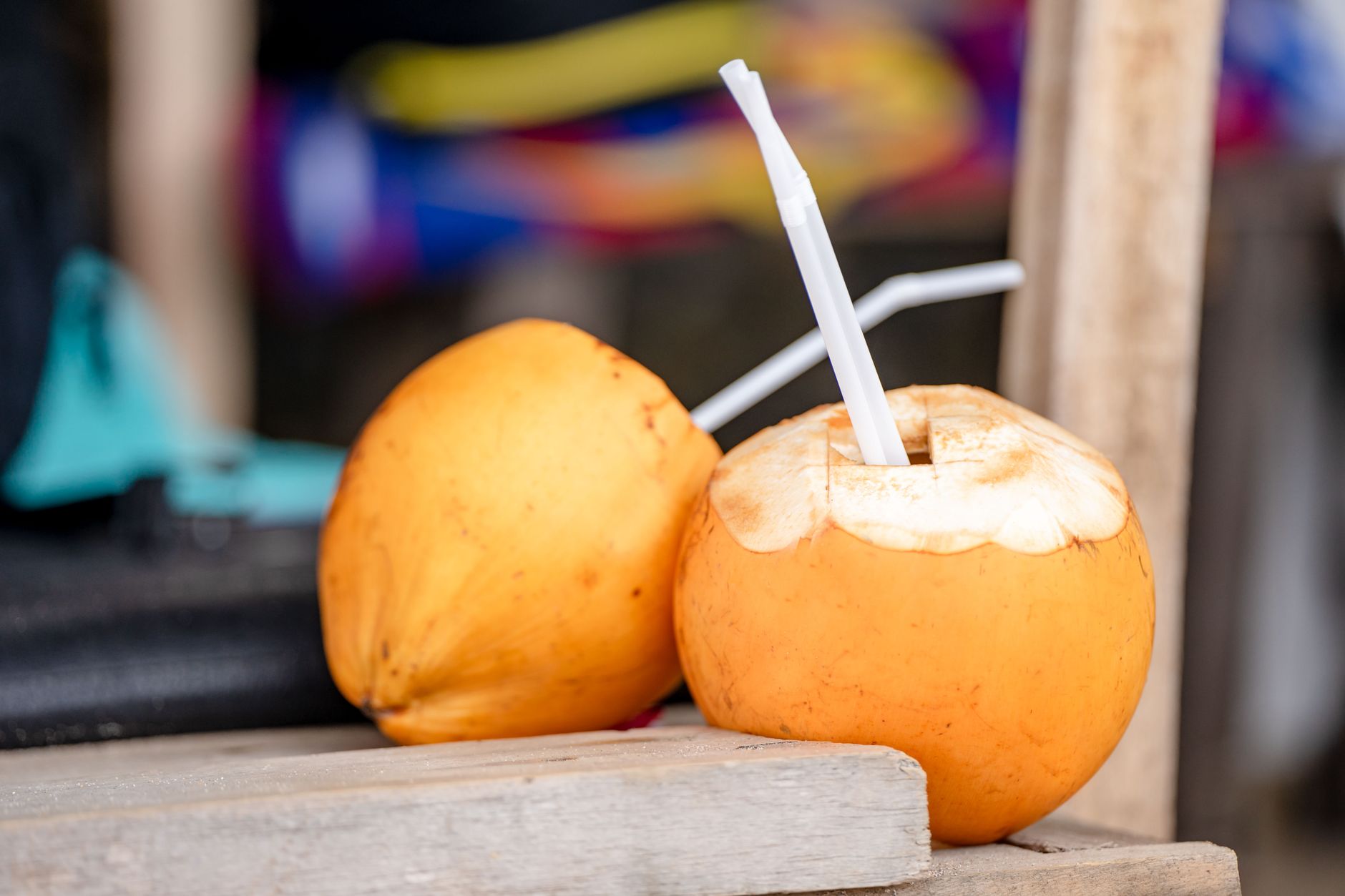
During intense workouts or in hot weather, fortified drinks or natural options like coconut water or electrolyte-enhanced waters can help replenish lost minerals. These options tend to provide a well-rounded blend of electrolytes.
Tips for Maintaining Electrolyte Balance
- Stay Hydrated: Drink water consistently, especially during physical activities.
- Include Electrolyte-Rich Foods: Focus on a balanced diet that includes fruits, vegetables, nuts, and whole grains.
- Limit Processed Foods: These often contain excessive sodium and low nutritional value.
- Monitor Your Health: Be aware of symptoms of electrolyte imbalance, such as muscle cramps or fatigue.
Practical Applications of Electrolytes
Knowing about natural electrolytes can help inform dietary choices that enhance health and performance. Here are some practical applications:
For Athletes
Athletes need to maintain electrolyte balance to improve performance and aid recovery. Incorporating natural electrolyte-rich foods into their diets can prevent dehydration and enhance endurance. Foods like bananas, coconut water, and homemade electrolyte drinks can be particularly beneficial.
For Daily Hydration
Incorporating foods high in electrolytes into daily meals can help maintain hydration levels. For example, starting the day with a smoothie packed with spinach, bananas, and yogurt can significantly benefit both hydration and mineral balance.
For Hot Weather
During summer or in hot climates, electrolyte-rich foods and beverages are essential. Foods like watermelon, cucumbers, and oranges are refreshing and help replenish electrolytes. Making iced herbal teas or infused waters can also be a tasty way to maintain hydration.
Common Mistakes to Avoid
- Overconsumption of Sodium: Too much sodium can lead to high blood pressure and other health problems.
- Neglecting Potassium Intake: Make sure to consume enough potassium-rich foods, especially if you’re active.
- Relying Solely on Sports Drinks: Many commercial sports drinks are high in sugar and may not be necessary for the average person.
Make Your Own Electrolyte Drink
Creating a natural electrolyte drink at home can be a cost-effective way to replenish lost minerals. Below is a simple recipe for a homemade electrolyte drink:
- Ingredients:
- 1 liter of water
- 1/2 teaspoon of salt
- 1/2 teaspoon of baking soda
- 2 tablespoons of honey or maple syrup
- 1/2 cup of freshly squeezed lemon or lime juice
- Mix all ingredients in a large pitcher.
- Stir until the salt and baking soda dissolve completely.
- Refrigerate and serve chilled.
This drink can be consumed before or after workouts to help restore electrolyte balance naturally.
Conclusion
Natural electrolytes are vital to maintaining health, especially during workouts and hot weather. By incorporating a variety of electrolyte-rich foods into your diet and staying adequately hydrated, you will support your body’s vital functions effectively. Start by experimenting with different foods and drinks that are high in electrolytes to see how they make you feel and perform.
If you’re looking to boost your nutrition even further, check out our chia pudding recipe or learn about the benefits of chia seeds for more healthy eating options.