
While tarpon are a popular game fish in Florida, many people wonder whether they are safe and tasty to eat. This article explores the edibility of tarpon, their culinary characteristics, and guidelines for handling and cooking this unique fish. From taste profiles to preparation methods, you’ll find everything you need to know about enjoying tarpon in your kitchen.
Although tarpon can technically be eaten, they are not commonly consumed due to their strong taste and tough texture. This article delves into what makes tarpon an interesting choice for adventurous eaters, cooking techniques, and possible serving suggestions.
Can You Eat Tarpon in Florida?
Yes, you can eat tarpon in Florida; however, many fishermen choose to catch and release them instead. The meat is edible but can have a strong flavor and a chewy texture, which may not appeal to everyone. Understanding the proper cooking methods and preparation can help those interested in tasting this fish.
Understanding Tarpon: An Overview
Tarpon (Megalops atlanticus) are large, silver fish known for their acrobatic leaps when hooked. They inhabit warm coastal waters, making Florida a prime location for tarpon fishing. Tarpon can grow up to 8 feet in length and weigh over 300 pounds, but the majority caught for sport are smaller, often averaging around 100 pounds.
When it comes to taste, tarpon’s meat is considered dense and oily, similar in some respects to mackerel or sardine. The flavor profile is often described as stronger and fishier than that of more commonly consumed fish like snapper or grouper, which leads to mixed feelings about its palatability.
Catching and Handling Tarpon
If you decide to catch tarpon for eating, there are essential considerations for handling. Due to their size and powerful nature, tarpon are typically caught on strong tackle, and it is important to handle them carefully to ensure the quality of the meat.
Regulations and Conservation
Before targeting tarpon, be aware that these fish are protected in many regions, and some states have restrictions on harvesting them. Always check local regulations to understand the legal catch limits, size restrictions, and whether a fishing license is necessary.
Best Practices for Catching and Handling
- Use heavy tackle to prevent prolonged fights, which can affect meat quality.
- Once caught, handle the fish carefully to prevent stress and damage to the meat.
- Ko the fish quickly; if you plan to eat it, dispatch it as humanely as possible.
- Keep the fish cool and ice it down promptly to maintain freshness.
Preparing Tarpon for Cooking
Once you’ve caught a tarpon, the proper preparation is essential to ensure the best possible eating experience. Due to its thick skin and strong flavor, here are steps to prepare tarpon for cooking.
Cleaning Tarpon
- Use a sharp knife or fillet knife to scale the fish. This can be done by scraping from the tail to the head.
- Make an incision behind the gills down to the belly to start gutting.
- Remove the entrails and rinse the cavity with cold water.
- Fillet the meat away from the bones. The thicker back fillets will require careful slicing to avoid tougher meat sections.
Flavoring and Marinating Tarpon
Due to its oily nature and rich flavor, marinating tarpon can help balance the taste. Consider using ingredients that complement its strong flavor:
- Citrus juices (lime, lemon, or orange)
- Garlic and herbs (parsley, thyme, or dill)
- Soy sauce and honey for a sweet and salty glaze
- Spices like paprika or black pepper for heat
Cooking Techniques for Tarpon
There are several effective cooking methods for preparing tarpon that can enhance its flavor and texture. Experimenting with various techniques will help you find recipes that suit your palate.
Grilling Tarpon
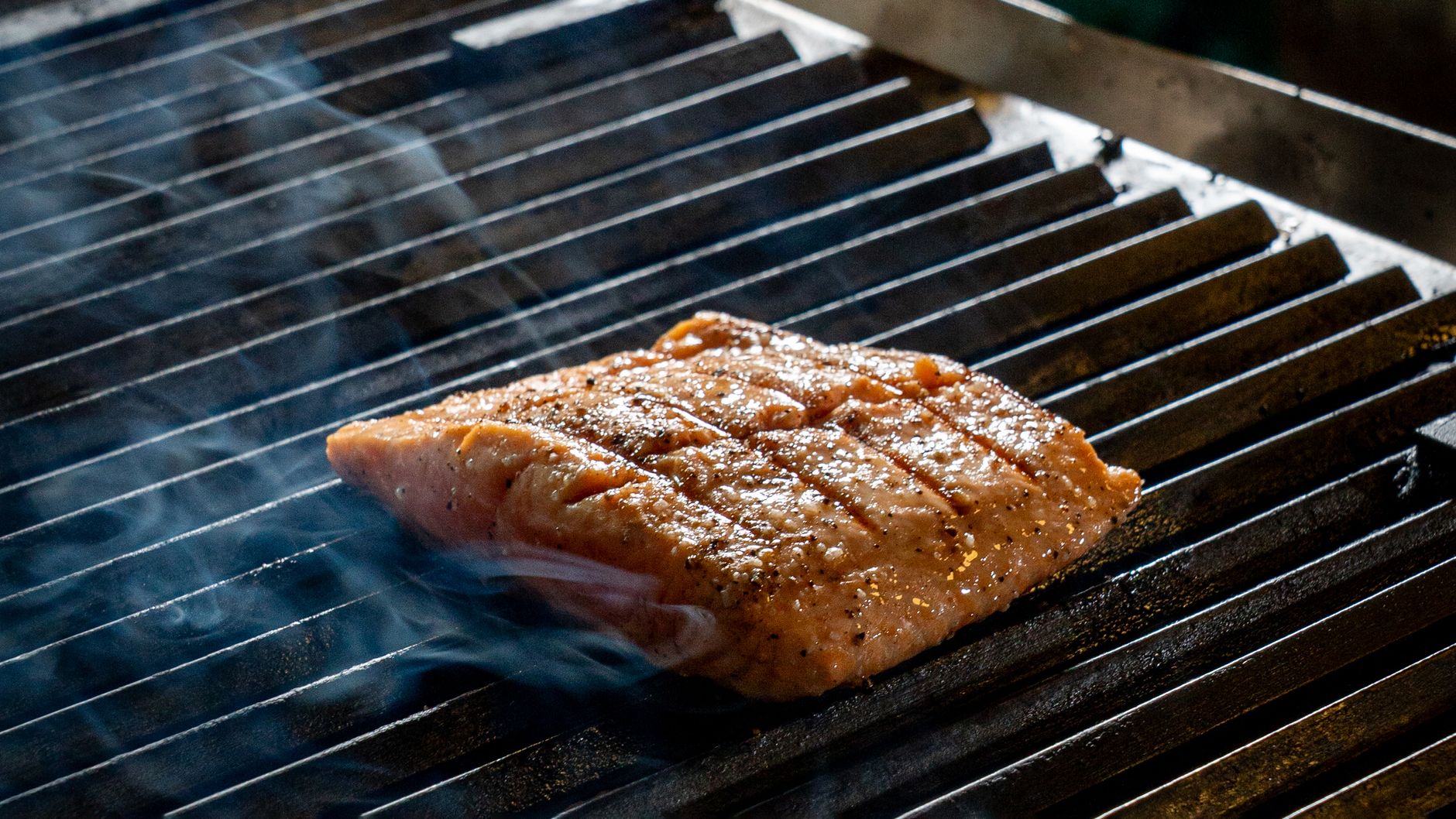
Grilling is a popular option for cooking tarpon, as it adds delicious smoky flavors. Follow these steps for perfectly grilled tarpon:
- Preheat your grill to medium-high heat.
- Brush the tarpon fillets with olive oil or your chosen marinade.
- Add salt, pepper, and additional seasonings as desired.
- Place the fillets directly on the grill. Cook for about 5-6 minutes on each side, depending on thickness.
- Check for doneness by ensuring the flesh flakes easily with a fork.
Baking Tarpon
Baking is another great way to prepare tarpon, allowing for even cooking while keeping the fish moist. Here’s how to bake it:
- Preheat the oven to 375°F (190°C).
- Place the marinated tarpon fillets in a greased baking dish.
- Cover with foil to prevent them from drying out.
- Bake for 20-25 minutes, or until the fish is opaque and flakes easily.
Smoking Tarpon
Smoking adds a rich, deep flavor to tarpon, making it a unique culinary experience. Here are guidelines for smoking tarpon:
- Prepare your smoker, using wood like hickory or apple for flavor.
- Brine the fillets in a saltwater solution for a few hours to retain moisture.
- Place on the smoker racks and smoke at a consistent temperature of around 225°F (107°C) for 1.5 to 2 hours.
- Monitor the internal temperature; target a safe range of 145°F (63°C) before serving.
Serving Suggestions for Tarpon
- Pair grilled or baked tarpon with a fresh salsa, such as mango or pineapple salsa, to balance the richness.
- Serve with roasted vegetables or a light salad for a refreshing side.
- Incorporate tarpon into tacos, using fresh toppings like cabbage, avocado, and lime for added zest.
Common Mistakes When Cooking Tarpon
Preventing common cooking pitfalls will ensure a more enjoyable dining experience.
- Overcooking can lead to dry, tough fish. Always check for doneness early.
- Failing to marinate may result in a stronger fish flavor. Always season well.
- Not allowing the fish to rest after cooking can affect texture and juiciness.
Storing Leftover Tarpon
If you have leftovers after a tarpon meal, proper storage is key to maintaining freshness. Always refrigerate within 2 hours of cooking and consume within 3 days.
For longer storage, cooked tarpon can be frozen. Place in an airtight container or resealable bag and consume it within 2-3 months for the best taste. To reheat, gently thaw in the refrigerator overnight and warm in the oven or on the stove to maintain moisture.
Conclusion: Is Tarpon Worth Eating?
Tarpon can be eaten, and while they are not the most popular fish choice, adventurous eaters might appreciate the unique flavor and texture if prepared correctly. Experimenting with marinades, cooking methods, and serving styles can help bring out the best in this fish.
If you’re feeling adventurous, consider trying tarpon, but always be mindful of local regulations regarding its catch. Explore the many ways you can enjoy this fish, and embrace the unique culinary experience it can offer.
For more culinary adventures, check out what is chicken bouillon the same as chicken broth and discover what crab taste like in different dishes.