
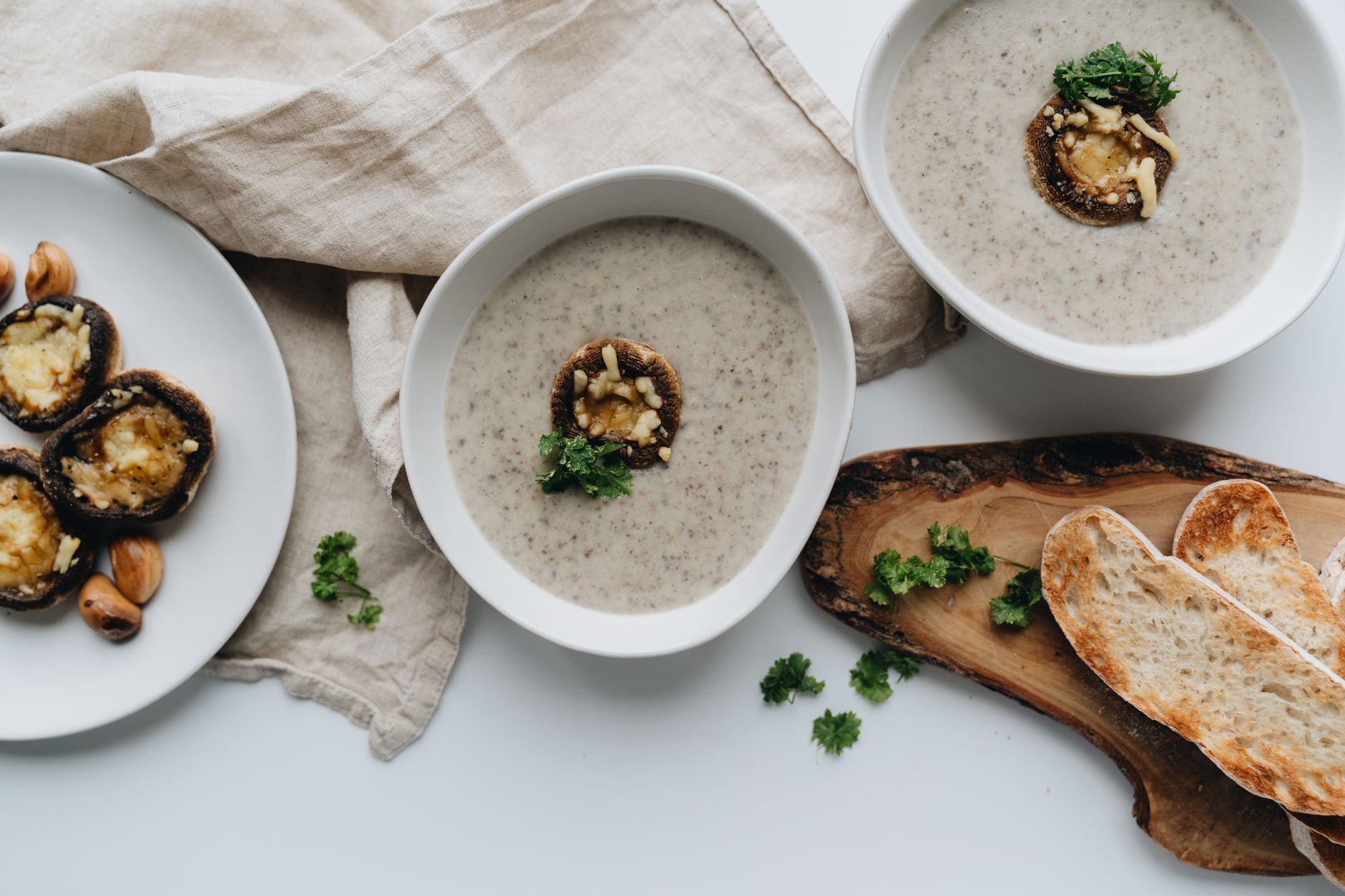
Mushroom soup is a creamy, hearty dish that delights with its earthy flavors and satisfying texture. While it’s often enjoyed fresh, many home cooks wonder whether they can preserve this comforting dish by freezing it. Understanding the nuances of freezing and thawing mushroom soup is crucial for maintaining its rich taste and appealing consistency.
This article will delve into whether you can freeze mushroom soup, along with practical freezing and thawing tips. By the end, you’ll be equipped with all the knowledge you need to extend the life of this savory soup and enjoy it later on.
Can You Freeze Mushroom Soup?
Yes, you can freeze mushroom soup. However, the texture and quality of the soup can change after freezing and thawing, particularly if it contains cream or milk. By following proper freezing and thawing methods, you can enjoy mushroom soup later without major deterioration in flavor or texture.
Understanding Mushroom Soup
Mushroom soup can vary in style and ingredients, but it generally includes mushrooms, broth, aromatics like onions and garlic, vegetables, and often some form of cream for richness. This combination results in a warm and comforting dish that is versatile for meals or as a starter.
The primary types of mushroom soup include:
- Creamy Mushroom Soup: This version typically incorporates heavy cream or milk, giving it a smooth, velvety texture.
- Broth-Based Mushroom Soup: A lighter alternative often made with vegetable or chicken broth, featuring mushrooms and herbs as the stars.
- Mushroom Bisque: A sophisticated option that’s blended to a silky consistency, often including additional flavors like sherry or herbs.
Freezing Mushroom Soup: Preparation Tips
To ensure the best outcome when freezing mushroom soup, follow these preparation tips:
- Cool the Soup: Before freezing, allow the soup to cool completely to room temperature. This helps avoid ice crystals forming and affecting the soup’s texture.
- Choose an Ice-Freezing Container: Use airtight containers or resealable freezer bags. Be sure to leave some space at the top of the container for expansion as the soup freezes.
- Avoid Creamy Ingredients: If possible, freeze the soup before adding cream or dairy. You can add these ingredients during reheating for optimal results.
- Portion the Soup: Consider freezing the soup in smaller portions for easy reheating. This way, you can defrost only what you need without exposing the entire batch to temperature changes.
A Step-by-Step Guide to Freezing Mushroom Soup
Follow these steps for a successful freezing process:
- Prepare your mushroom soup according to your favorite recipe, allowing it to cool down after cooking.
- Portion the cooled soup into airtight containers or freezer bags, ensuring you leave space for expansion.
- Squeeze excess air out of freezer bags before sealing them tightly.
- Label each container or bag with the date and contents to keep track of freshness.
- Place the soup containers or bags in the freezer, ensuring they are flat for efficient storage.
Thawing and Reheating Mushroom Soup
Proper thawing is essential to preserving the soup’s quality. Here’s how to do it:
Thawing Techniques
- In the Refrigerator: The safest method is to transfer the frozen soup to the refrigerator for 24 hours before you plan to eat it. This slow thaw allows for even temperature distribution.
- In Cold Water: For faster thawing, you can place the sealed soup bag or container in a bowl of cold water. Change the water every 30 minutes until thawed.
- Direct Heat: If you’re short on time, you can thaw the soup on the stovetop over low heat, stirring frequently until warmed through. This method may alter the texture but is effective for quick meals.
Reheating Mushroom Soup
Once thawed, reheating the soup properly can enhance its flavors:
- Transfer the thawed soup to a saucepan over medium-low heat.
- Stir regularly to ensure even heating. If the soup is too thick after thawing, add a little broth or water to reach your desired consistency.
- If your soup was frozen without cream, add it at this stage. Stir well until heated through.
- Heat the soup until it reaches a simmer (not boiling), then serve hot.
Considerations for Different Mushroom Soup Types
Not all mushroom soups are created equal when it comes to freezing. Each variant has unique concerns:
Creamy Mushroom Soup
The dairy content in creamy soups can sometimes separate upon thawing, resulting in a less appealing texture. To minimize separation, consider the following:
- Freeze without cream and add it during reheating.
- Use a stabilizer, like cornstarch, to help maintain texture when reheating.
Broth-Based Mushroom Soup
Broth-based mushroom soups generally freeze and reheat well, with minimal change in texture. Just follow the general freezing and reheating guidelines.
Mushroom Bisque
Bisques can separate due to their smooth, blended texture. Similar to creamy soups, it’s best to add cream or rich ingredients after reheating.
Common Mistakes When Freezing Mushroom Soup
Even seasoned cooks can run into trouble. Avoid these common pitfalls:
- Not Cooling Properly: Placing hot soup directly in the freezer can lead to ice crystals and compromised texture.
- Freezing with Whole Mushrooms: Large pieces of mushroom may not thaw evenly. Consider slicing them smaller or blending them before freezing.
- Incorrect Storage: Using non-airtight containers can lead to freezer burn, negatively affecting flavor and texture.
Storage Duration for Frozen Mushroom Soup
For the best flavor and quality, enjoy your frozen mushroom soup within three months. While it may remain safe to eat longer than this, the taste and texture may decline over time.
Serving Suggestions for Mushroom Soup
- Garnish with fresh herbs, such as parsley or thyme, for a pop of freshness.
- Serve with crusty bread or a grilled cheese sandwich for a classic pairing.
- Top with sautéed mushrooms or a drizzle of truffle oil for a gourmet touch.
Conclusion
Freezing mushroom soup is a practical way to enjoy this comforting dish on your own schedule. By following the advice outlined in this article on preparation, freezing, thawing, and reheating, you can savor the rich flavors of mushroom soup even after it’s been stored. Remember to adapt your freezing method based on the soup style you’re using for the best results.
For more delicious soup ideas, check out our cheeseburger soup recipe or learn how to make sautéed mushrooms as a delicious side or topping. Happy cooking!