
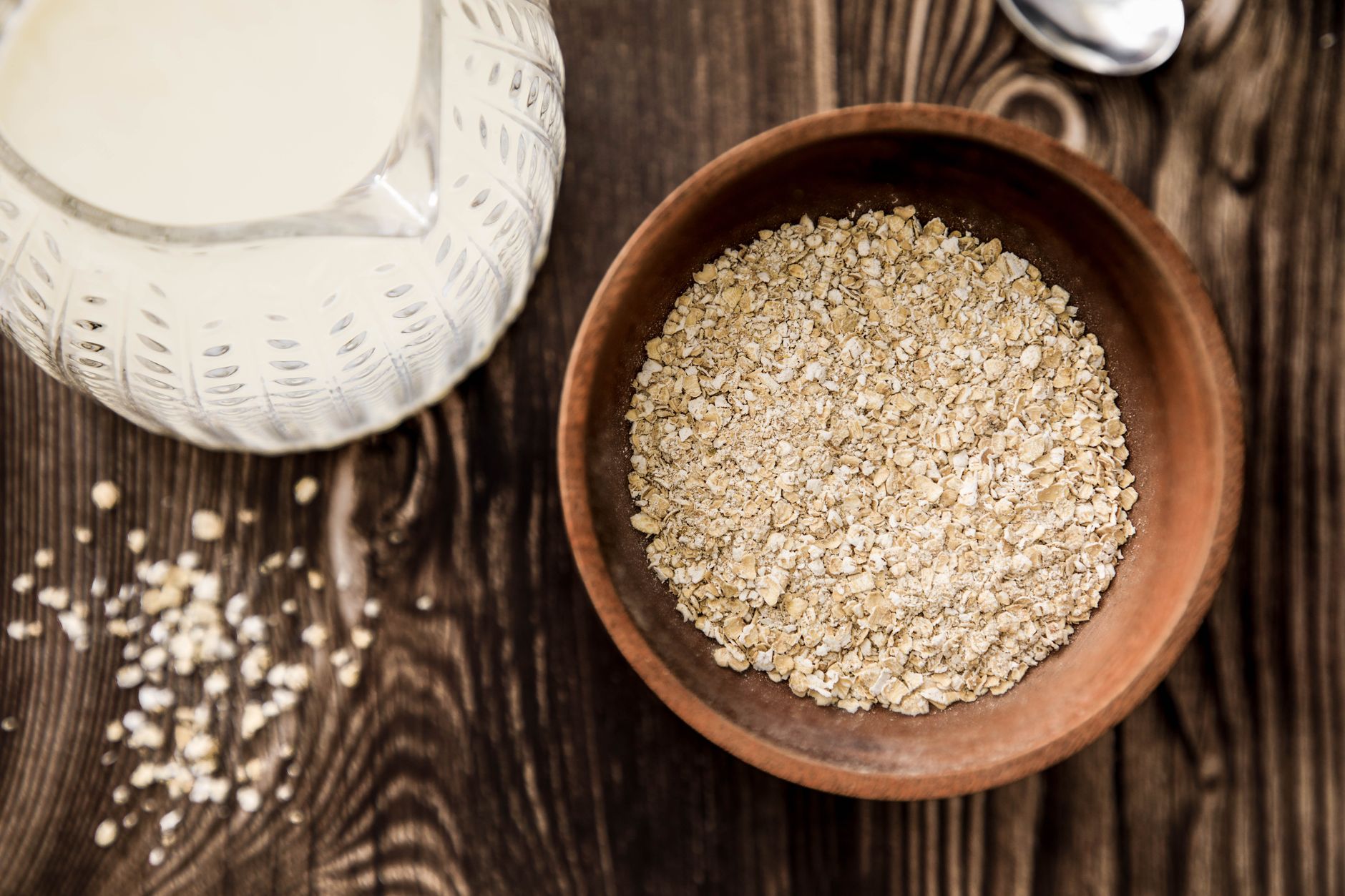
With the rise in plant-based diets, two popular non-dairy milk alternatives have emerged: soy milk and oat milk. Both have their unique characteristics and uses, making it essential for consumers to make an informed choice. This article delves into the key differences between soy milk and oat milk, examining their nutritional profiles, taste, cooking versatility, and environmental impact.
This comprehensive guide will help you determine which milk alternative might be better suited to your dietary needs, preferences, and culinary uses.
Is Soy Milk Better Than Oat Milk?
Choosing between soy milk and oat milk ultimately depends on personal preferences, dietary restrictions, and specific uses in cooking. Soy milk offers a higher protein content and is often considered a more versatile ingredient, while oat milk is celebrated for its creamy texture and sweet flavor. Both have unique benefits that cater to different needs.
Nutritional Comparison
Nutritional content is a critical factor when comparing soy milk and oat milk. Here’s a breakdown of the key nutrients found in each:
Soy Milk
- Protein: Approximately 6–8 grams of protein per cup, making it a great source of plant-based protein.
- Fat: Typically contains about 4 grams of fat (mostly unsaturated).
- Carbohydrates: Contains around 4 grams of carbohydrates.
- Sugars: Unsweetened varieties have about 1 gram of sugar; sweetened versions have much higher sugar levels.
- Vitamins and Minerals: Often fortified with calcium, vitamin A, and vitamin D.
Oat Milk
- Protein: Contains about 2-3 grams of protein per cup, lower compared to soy milk.
- Fat: Usually around 5 grams of fat (with a higher content of healthy fats).
- Carbohydrates: Contains approximately 16-24 grams of carbohydrates, a higher count than soy milk.
- Sugars: Naturally contains around 5 grams of sugar, with sweetened variations having more.
- Vitamins and Minerals: Often fortified with calcium, vitamin D, and vitamin B12.
Taste and Texture
Taste and texture significantly influence the choice between soy milk and oat milk, especially in cooking and baking.
Soy Milk
Soy milk has a creamy texture and a slightly bean-like flavor, which can be more pronounced in unsweetened varieties. When cooked, it holds up well in savory dishes and can be added to soups, sauces, and casseroles without overwhelming other flavors.
Oat Milk
Oat milk, known for its naturally sweet taste, simulates the richness of dairy milk. Its smooth texture makes it ideal for coffee, smoothies, and baking. Oat milk is less likely to curdle in coffee compared to soy milk, making it a favorite among baristas for lattes and cappuccinos.
Culinary Uses
Both soy milk and oat milk can be used in a variety of culinary applications, but each performs better in specific recipes.
Baking
When it comes to baking, both milk alternatives can replace cow’s milk on a 1:1 ratio. However, the choice may depend on the desired flavor and texture of the final product.
- Soy Milk in Baking: Great for recipes that require a rich source of protein, such as breads and muffins. Soy milk helps provide structure and moisture.
- Oat Milk in Baking: Adds a natural sweetness and moisture to baked goods, making it a wonderful choice for pancakes, cookies, and cakes.
Cooking
In savory dishes, the choice between the two often comes down to personal taste and dietary needs.
- Soy Milk in Cooking: Ideal for creamy sauces, soups, and stir-fries. It can also be used in savory dishes without altering the overall flavor significantly.
- Oat Milk in Cooking: Best suited for creamy textures such as in pasta dishes and risottos but may impart a sweet flavor. Good for oatmeal and certain stews.
Drinks
When making lattes, smoothies, or shakes, both soy milk and oat milk can be excellent choices.
- Soy Milk in Drinks: Pairs well with chocolate or coffee for a balanced flavor, although some may detect its bean-like undertones.
- Oat Milk in Drinks: Provides a creamy base for smoothies and shakes, enhancing sweetness without added sugars, and works harmoniously in coffee drinks.
Dietary Considerations
Personal dietary restrictions or preferences can play a significant role in selecting between soy milk and oat milk. Here are important factors to consider:
Allergic Reactions
Individuals with soy allergies should avoid soy milk entirely. Similarly, those with gluten sensitivity must opt for certified gluten-free oat milk to avoid cross-contamination since oats can often be processed in facilities that handle gluten.
Weight Management
Choosing between the two as part of a weight management plan may depend on caloric intake. Oat milk typically contains higher calories and carbohydrates, which is worth considering when fitting it into a low-calorie diet. Soy milk, being lower in carbs, may be a better choice for some.
Environmental Impact
Environmental considerations are increasingly influencing consumers’ choices. Here’s how soy and oat milk compare:
- Soy Milk: The production of soy milk requires less water compared to dairy but has faced criticism regarding deforestation and agriculture that supports livestock feed.
- Oat Milk: Oats require less water and energy in production, making oat milk a more sustainable choice overall.
How to Choose the Best Option for You
Choosing between soy milk and oat milk can be simplified by considering several factors:
Flavor Preference
If you prefer a creamier and slightly sweet flavor, oat milk may be the better choice. If you enjoy a savory undertone and higher protein content, soy milk might fit your needs better.
Dietary Needs
Usage Context
Allergies and Intolerance
Common Questions & Myths
As soy and oat milk gain popularity, it’s essential to address common questions and misconceptions:
Is Soy Milk Bad for Hormones?
While concerns exist about phytoestrogens in soy increasing estrogen levels, moderate consumption of soy milk is considered safe for most individuals.
Can Oat Milk Replace Milk in All Recipes?
While oat milk can substitute in many recipes, its naturally sweet flavor may not fit all savory dishes. You may need to adjust your recipes accordingly to achieve the desired outcome.
Which Milk Alternative is Better for Coffee?
Oat milk generally froths better and has a creamier consistency, making it a popular choice among coffee enthusiasts. However, soy milk is still a reliable option, though some may find it separates more easily.
Practical Tips for Using Milk Alternatives
When incorporating soy and oat milk into your diet, consider some practical tips:
- Always check labels for added sugars and preservatives. Choose unsweetened versions when possible to better control sugar intake.
- Experiment with different brands, as taste and texture can vary significantly. Some brands fortify their products with different vitamins, so choose one that meets your nutritional needs.
- When cooking or baking, consider the intended flavor profile of your dish. Both types of milk can alter flavors, so choose accordingly.
- If you are new to both, try using each in your favorite recipes to assess which you prefer in terms of taste and performance.
Conclusion
Ultimately, whether soy milk or oat milk is better for you depends on your personal taste, dietary requirements, and how you plan to use them. Soy milk stands out for its protein content and savory applications, while oat milk excels in texture and sweetness, especially in coffee.
Explore the delightful possibilities of milk alternatives in your kitchen. Start experimenting with these plant-based options today, whether in baking, cooking, or as refreshing drinks. For further inspiration, check out our chia pudding recipe or try the dairy-free pancake recipe using these alternatives.