
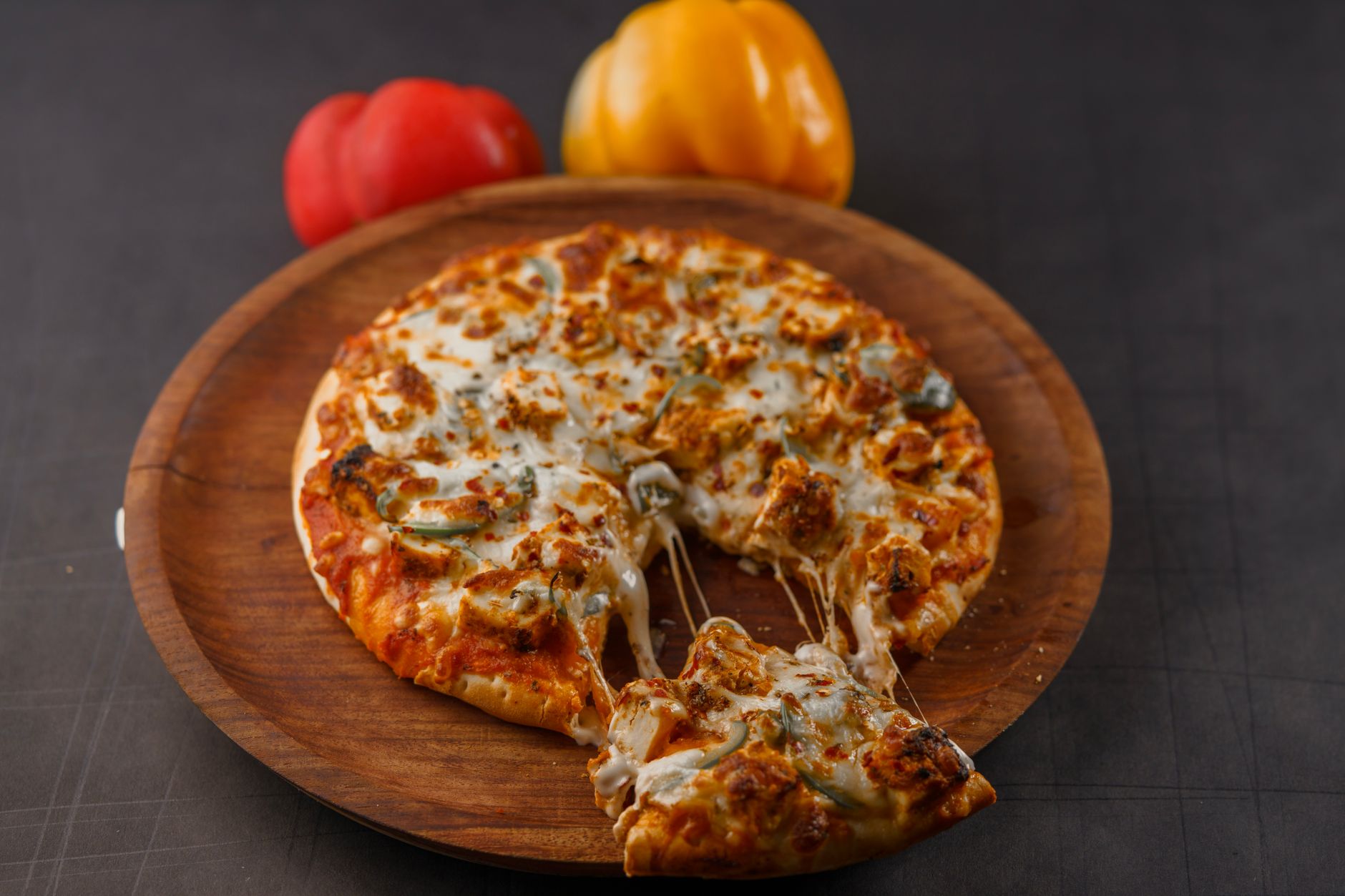
Understanding how long pizza takes to cook is essential for achieving a perfect pie every time. From home-cooked creations to ordering from a pizzeria, knowing the cooking times not only ensures safety but also enhances flavor and texture.
In this guide, we will explore the factors that influence pizza cooking times, provide tips for testing doneness, and suggest variations based on different cooking methods. Whether you’re baking in a conventional oven, using a pizza stone, or employing a grill, we’ve got you covered!
How Long Does Pizza Take to Cook?
The cooking time for pizza varies widely based on several factors, including the type of oven, the thickness of the crust, and the toppings used. Generally, pizza takes anywhere from 10 to 20 minutes to cook. For a conventional oven set at about 475°F (245°C), it typically cooks within:
- Thin Crust Pizza: 8 to 12 minutes
- Regular Crust Pizza: 12 to 15 minutes
- Thick Crust Pizza: 15 to 20 minutes
Factors Affecting Cooking Time
Several factors will influence how long your pizza takes to cook:
1. Oven Type
Differing ovens have different heating capabilities:
- Conventional Ovens: These typically require 12 to 15 minutes for cooking.
- Pizzaiolo Ovens: Designed specifically for pizza, these can cook a pizza in as little as 90 seconds to 3 minutes at extremely high temperatures (around 800°F or 427°C).
- Grills: When using a grill, pizzas generally take about 10 to 15 minutes. This varies based on grill temperature and pizza thickness.
2. Dough Thickness
Thicker dough requires more time to cook through. Thin-crust pizzas generally need less time than deep-dish pizzas, which may take significantly longer:
- Thin Crust: 8 to 12 minutes.
- Regular Crust: 12 to 15 minutes.
- Thick or Deep-Dish Crust: 15 to 25 minutes, depending on how thick the base is and how many layers of toppings are included.
3. Toppings
More toppings mean more moisture and density, which can affect cooking times. Here’s a general guideline:
- Light Toppings: Such as simple cheese and tomato will cook faster.
- Heavier Toppings: Ingredients like multiple cheeses, vegetables, or meats can add 2 to 5 extra minutes.
Checking for Doneness
Cooking times are essential, but how do you know when your pizza is properly cooked? Here are several key indicators:
1. Crust Color
The crust of your pizza should be golden brown when it’s ready. A pale crust indicates it needs more time, while a crust that’s dark brown or burnt means it has been in the oven too long.
2. Cheese Melting and Browning
Cheese should be melted and bubbling. Easy-to-spot cues include:
- Softening and melting without being overly brown.
- Some parts beginning to brown will usually indicate it’s ready.
3. Bottom Crust Check
Lift the pizza with a spatula to check the underside of the crust. If it looks golden and crispy, it’s likely done. If it’s still pale, the pizza likely needs more time.
Tips for Baking Delicious Pizza
Cooking pizza perfectly often requires precise techniques. Here are some tips to help:
1. Preheat the Oven
Always preheat your oven to ensure even cooking. A good temperature setting for most home ovens is around 475°F (245°C). For pizzaiolo ovens, settings will be much higher.
2. Use a Pizza Stone
A pizza stone captures heat and conducts it evenly, resulting in a crisper base. Place the stone in the cold oven as it preheats to avoid thermal shock and allow an even cook.
3. Rotate the Pizza
Halfway through cooking, rotate your pizza 180 degrees. This ensures that all sides receive equal heating.
4. Limit Toppings
While it might be tempting to load up on toppings, having too many can lead to a soggy pizza or uneven cooking. Consider balancing toppings for optimal cooking.
5. Experiment with Rack Placement
The position of your pizza in the oven can also influence doneness. Placing it closer to the bottom may help achieve a crispy crust.
Cooking Pizza with Different Techniques
Different methods yield distinct textures and flavors. Here’s a look at how various techniques affect pizza cooking.
1. Oven-Baked Pizza
The classic method for cooking pizza. This method usually requires a preheated oven at high temperature. Follow the timing guidelines previously mentioned to determine when your pizza is done.
2. Grilled Pizza
Grilling is a fantastic way to impart a smoky flavor to your pizza. Here’s a brief guide:
- Preheat your grill (around 450°F-500°F or 230°C-260°C).
- Stretch your dough to fit the grill grates.
- Grill one side for 2-3 minutes.
- Flip, quickly add toppings, and close the lid to cook for another 5-10 minutes.
3. Broiler Cooking
Using the broiler can create a pizza with beautifully charred spots and a crispy crust. Set your oven to broil and place the pizza on the top rack:
- Keep a close eye on your pie; it can go from perfect to burnt in seconds.
- Cooking time usually ranges from 3 to 6 minutes.
Variations and Ingredient Substitutions
Every pizza-making process might need unique considerations. Here are flavors and texture variations based on ingredient changes:
1. Whole Wheat Flour
Substituting regular flour with whole wheat flour includes:
- Different texture (denser).
- May require slight adjustments in hydration and cooking time.
2. Gluten-Free Dough
Using gluten-free pizza dough may yield different results:
- Adjustments in cooking time may be necessary; typically, gluten-free crusts can take a little longer.
- Look for a unique baking mix designed for pizza to achieve the best texture.
3. Cheese Variations
Different cheese can contribute unique characteristics to your pizza:
- Using fresh mozzarella will give a different melt and texture than aged cheeses; keep an eye on browning time.
- Combining cheeses can enhance flavor but may require an adjustment in cooking time to ensure even melting.
Common Mistakes in Pizza Cooking
Even experienced cooks may encounter a few pitfalls. Here are some common mistakes and how to troubleshoot them:
1. Dough Not Cooking Properly
If your pizza dough stays raw, consider the following:
- Ensure your oven is properly preheated.
- Check the thickness of your crust; thicker crusts will require more cooking time.
2. Soggy Pizza
Soggy bases can stem from various issues:
- Overloading with toppings can impede cooking; opt for fewer toppings.
- Use a pizza stone or a preheated baking sheet for a better crust.
3. Burnt Crust
If you’re getting burnt crusts:
- Temperature may be too high; experiment with different settings.
- Consider raising the pizza higher in the oven to avoid excessive direct heat.
Storage and Reheating Tips
If you have leftover pizza, proper storage and reheating yield the best results. Here’s how:
1. Storage
Store leftover pizza in an airtight container or wrap it tightly in aluminum foil. Place it in the refrigerator, where it should stay fresh for up to 3-4 days at most.
2. Reheating
For perfect reheating:
- Oven: Preheat to 375°F (190°C), place on a baking sheet, and cook for about 10-15 minutes.
- Stovetop: Place on a skillet over low heat with a lid for 5-8 minutes to maintain crispiness.
- Microwave: Use for quick reheating, but it typically results in a soggy crust. Add a cup of water to help steam the pizza while microwaving.
Understanding the varying factors of how long pizza takes to cook may seem daunting, but with practice, it becomes second nature. The keys to a well-made pizza lie in paying attention to doneness indicators and experimenting with different techniques and toppings.
Next time you’re gearing up for pizza night, remember these insights, and you can craft delicious pizzas with confidence. If you’re looking to hone your pizza-making skills further, you might find these recipes interesting: Sourdough Pizza Dough Recipe and Sicilian Pizza Dough Recipe.