
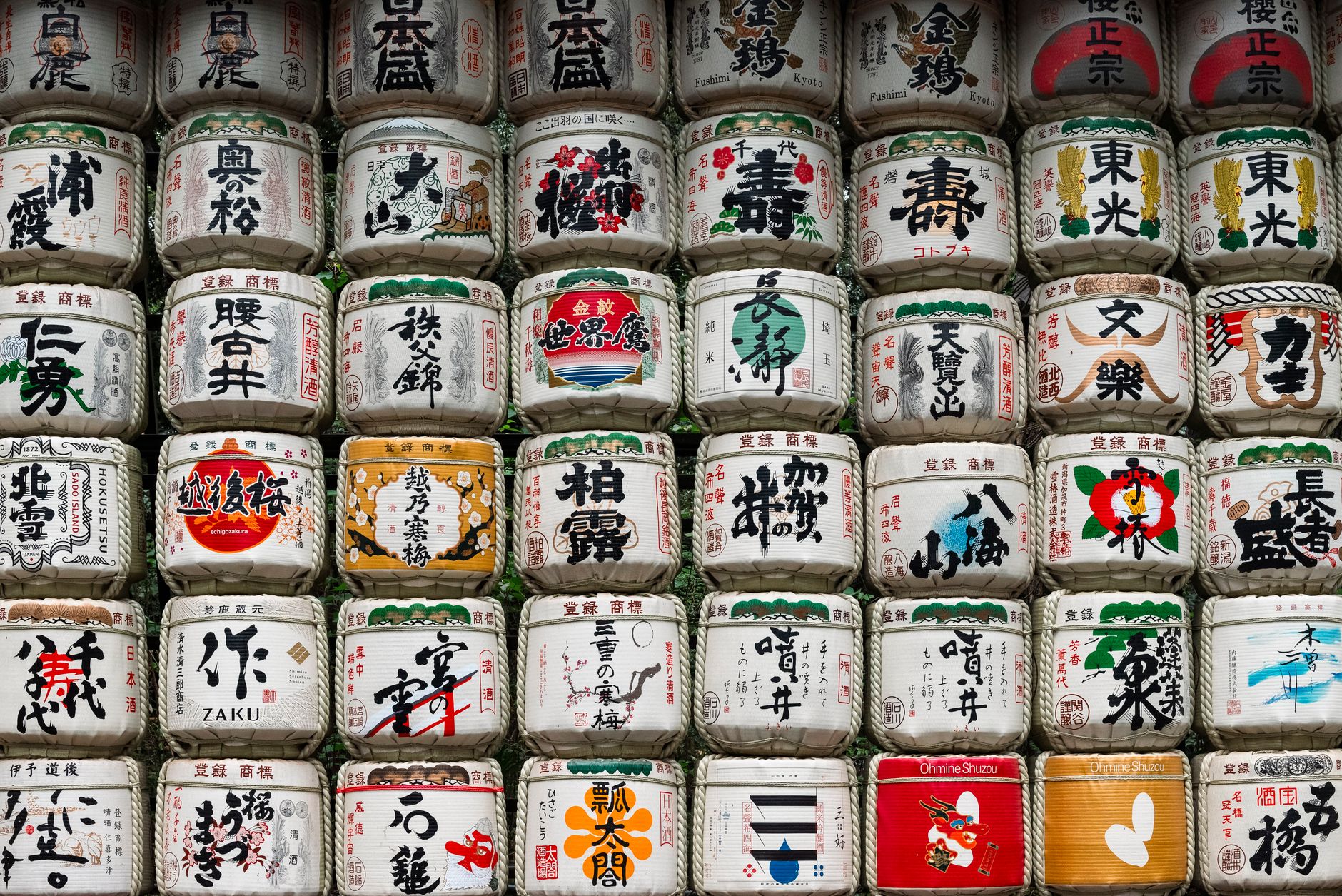
Saki, or sake, is a traditional Japanese alcoholic beverage made from fermented rice. Often referred to as “rice wine,” its production process is quite distinct and involves a careful brewing method similar to beer. This beverage is celebrated for its unique flavors and aromas, making it a popular choice both in Japan and worldwide.
Understanding what saki is made of, along with its flavor profile and culinary uses, offers an enriching insight into this fascinating drink. In this article, we will explore the key ingredients that go into making saki, its flavors, and how it can be used in the kitchen.
What Is Saki Made Of?
Saki is primarily made from four key ingredients: rice, water, yeast, and koji. These components undergo a complex fermentation process that transforms them into the clear, aromatic beverage known as sake. Each ingredient plays a specific role in developing the final product’s flavor, aroma, and character.
The Ingredients of Saki
1. Rice
- Type: The main ingredient in saki is polished rice, specifically a variety known as “shuzō-kotekimai.”
- Polishing: The polishing rate of the rice is crucial, as it determines the flavor and quality of the resulting saki. Higher-quality saki typically uses rice with a polishing ratio of 50% or lower.
- Flavor Contribution: Rice contributes the primary flavor base to saki, with different types and levels of polishing affecting sweetness, acidity, and complexity.
2. Water
- Source: The water used in saki production must be pure and soft, as the mineral content can significantly affect the fermentation process and flavor profile.
- Importance: Regions well-known for producing saki, such as Niigata and Hyogo, are often prized for their water quality, which contributes to the drink’s final taste.
- Role in Fermentation: Water is essential for activating the yeast and aiding in the overall fermentation process.
3. Yeast
- Function: Yeast is responsible for fermentation, converting sugars from rice into alcohol and carbon dioxide.
- Varieties: Different yeast strains can produce varying flavor profiles, from fruity to earthy.
- Temperature Control: Maintaining appropriate fermentation temperatures is critical to developing the desired characteristics of the saki.
4. Koji
- Definition: Koji is a mold (Aspergillus oryzae) used to convert the starches in rice into fermentable sugars.
- Preparation: Rice is steamed and inoculated with koji spores before being allowed to ferment, a key step in the brewing process.
- Flavor Development: The koji mold produces enzymes that aid in sugar conversion, contributing to the saki’s unique taste and aroma.
The Saki Brewing Process
The process of making saki is intricate and involves several key steps:
- Rice Preparation: The rice is washed and polished to remove its outer layers. The level of polishing affects the quality.
- Steaming: The polished rice is steamed to prepare it for fermentation.
- Koji Cultivation: The steamed rice is inoculated with koji mold and allowed to grow, creating enzymes that will convert rice starches into sugars.
- Yeast Starter (Shubo): A starter culture is created by combining the koji rice, yeast, and water, allowing fermentation to begin.
- Main Fermentation: The main brewing process involves mixing steamed rice, koji rice, and water in stages to encourage fermentation over about three to four weeks.
- Pressing: After fermentation, the mixture is pressed to separate the liquid from the solids, producing “saki” or “nihonshu.”
- Filtration and Pasteurization: The liquid is filtered to remove any impurities and may be pasteurized to stabilize the flavor and extend shelf life.
- Packaging: Finally, the saki is bottled and labeled for distribution and consumption.
Flavor Profile of Saki
Saki is known for its diverse flavor profiles, which can be influenced by factors such as the rice type, polishing level, and brewing process. Generally, saki can be characterized by the following:
- Aroma: It often has fruity or floral notes, with some varieties presenting earthy or nutty scents.
- Flavor: The taste can range from sweet to dry, with subtle umami notes. Higher-polished sakis often have lighter and more refined flavors.
- Texture: Saki can be smooth and silky, offering a gentle finish. Some sakes may have a more robust mouthfeel depending on the brewing style.
Different Types of Saki
There are various types of saki, each with its unique characteristics. Here are some notable ones:
- Junmai: Made only from rice, water, yeast, and koji, it has a rich, full-bodied flavor.
- Ginjo: Brewed with rice polished to at least 60% and often has more fruity and floral aromas.
- Daiginjo: A premium type with a polishing ratio of 50% or less, it is elegant and complex in flavor.
- Honjozo: A small amount of distilled alcohol is added, leading to a lighter texture and enhanced aroma.
- Namazake: Unpasteurized saki, providing a fresh and vibrant taste.
Kitchen Uses for Saki
Saki is not only a delightful drink but can also be utilized in various culinary applications:
1. Marinades and Sauces
Saki can be used as a base for marinades, particularly for fish and seafood, enhancing flavor without overpowering the dish. It pairs wonderfully with soy sauce, ginger, and garlic to create a depth of taste.
2. Cooking Liquid
Use saki in stir-fries or braises as a cooking liquid, introducing umami and complexity. It can elevate broths and stews, making them richer.
3. Baking
Incorporating saki into baked goods like cakes or bread can lend subtle sweetness and enhance overall flavor. It can replace some liquid in recipes for added depth.
4. Pairing with Food
Saki pairs well with a variety of foods, ranging from sushi and sashimi to grilled meats and vegetables. Its versatility allows it to complement both rich and subtle flavors.
Common Mistakes When Using Saki
When cooking or pairing saki, avoid these common pitfalls:
- Using the Wrong Type: Different saki types have different flavor profiles; select one that complements your dish.
- Overcooking: Prolonged heating can lead to an undesirable degradation of flavors; use saki judiciously in cooking.
- Serving Temperature: Saki is best enjoyed at the right temperature (chilled, room temperature, or warmed depending on the type).
Storage of Saki
Proper storage is essential to maintain the quality of saki:
- Sealed Bottles: Keep unopened bottles in a cool, dark place, ideally at a consistent temperature.
- Opened Bottles: Once opened, saki should be consumed within a week or two for optimal flavor. Store it in the refrigerator and ensure the cap is tightened.
- Aging: Contrary to some wines, most saki is best enjoyed fresh and does not benefit from aging.
Conclusion
Understanding what saki is made of and its unique brewing process reveals the intricate relationships between its ingredients and final profile. With their versatility in cooking and pairing, saki offers a delightful experience for both the palate and the kitchen.
To further your culinary exploration, consider checking out our guides on what molasses is made from and how soy sauce is made for more insights into ingredient origins.