
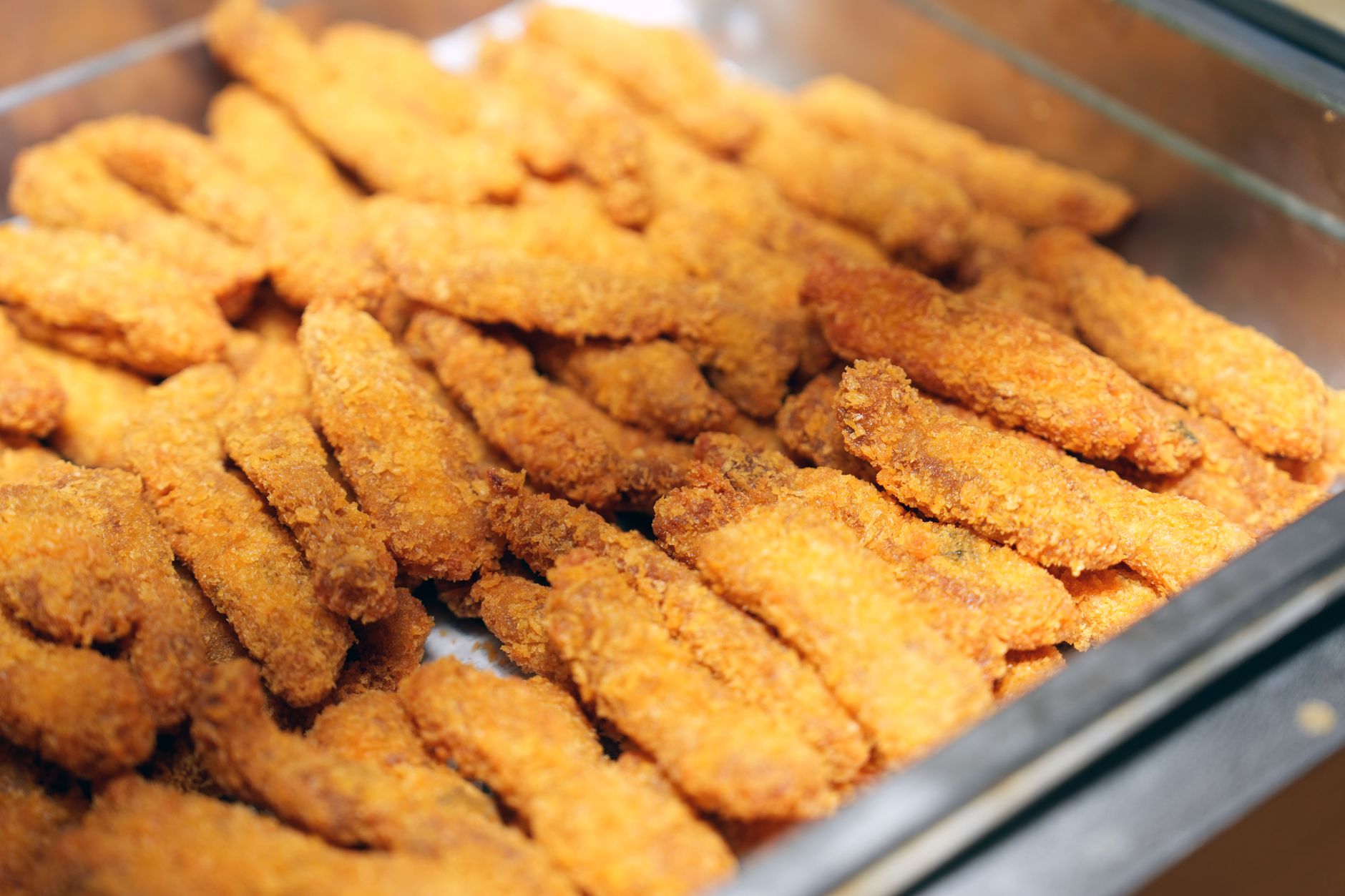
Fish sticks are a beloved, convenient meal option, often found in freezers across many households. While they are tasty and easy to prepare, the type of fish used can vary significantly. Understanding what kind of fish is in fish sticks can enhance your cooking decisions and meal planning.
This article will delve into the types of fish commonly used in fish sticks, their flavor profiles, textures, and cooking methods. By the end, you will have a better insight into this popular food and ways to enjoy it beyond the classic preparation.
What Kind of Fish Is in Fish Sticks?
The most common fish found in fish sticks includes white fish like cod, haddock, and pollock. These fish are chosen for their mild flavor, flaky texture, and ability to hold up well during cooking. Pollock is the leading choice for many manufacturers, particularly due to its sustainable fishing and economical cost. However, variations exist, and some brands may use other fish, such as tilapia or even catfish.
In addition to their general popularity, these fish types lend themselves to different cooking methods, making them versatile for home cooks looking to experiment. Understanding the characteristics of each fish can help you decide which ones to use when preparing homemade fish sticks, or when considering pre-packaged options.
Overview of Common Fish Used in Fish Sticks
- Cod: A favorite for its mildness, cod has a denser, flaky flesh that works well in fish sticks.
- Haddock: Slightly sweeter than cod, haddock is often used alongside it but is less common in store-bought varieties.
- Pollock: This fish is affordable and sustainable. It is the most commonly used fish for fish sticks.
- Tilapia: Known for its mild taste, tilapia can also serve as a fish stick option, though it’s less traditional.
- Catfish: Occasionally used in fish sticks, catfish lends a distinct flavor that can set it apart from the typical choices.
Characteristics of Each Fish
Cod
Cod is a popular fish in both restaurants and home kitchens. Its flaky texture and mild flavor make it suitable for many dishes, including fish sticks. Cod is nutrient-dense, rich in protein, and omega-3 fatty acids. When making homemade fish sticks from scratch, cod holds up well to breading and frying.
Haddock
Although haddock is less commonly found in commercial fish sticks than cod or pollock, some brands still utilize it. Its slightly sweet flavor makes it appealing to many, while its firm texture ensures it won’t easily fall apart during cooking. Like cod, haddock is a good source of protein and other essential nutrients.
Pollock
Pollock is the traditional choice for many manufacturers producing frozen fish sticks. It has a mild taste, making it suitable for various recipes and appealing to a broad audience. Additionally, pollock is often available in a more sustainable format because it is widely farmed and can be found at a lower price point.
Tilapia
Tilapia is another fish that can be found in certain varieties of fish sticks. While it has a somewhat milder and softer texture compared to cod or haddock, tilapia is readily available and economical. It generally lends itself well to many sauces and seasonings, enhancing the overall flavor of meals that feature fish sticks.
Catfish
Catfish adds a unique flavor to fish sticks that may not appeal to everyone, but for those who enjoy its distinct taste, it can be a fantastic option. While not as common as the others mentioned, catfish offers a slightly firmer texture that provides an interesting variation within the category of fish sticks.
Choosing Fish for Homemade Fish Sticks
If you are interested in making your fish sticks, selecting the right fish is a crucial step. Here is a practical guide for making your choices:
- Freshness: Always choose fresh fish if possible, as this enhances the overall flavor of your dish. If fresh is not an option, opt for frozen fish that appears smooth and free from frost.
- Type of Fish: Consider your flavor preferences. Cod and pollock are excellent for a classic taste, while tilapia can be your choice if you desire a softer texture.
- Sustainability: If environmentally conscious, check for sustainability certifications while shopping for fish, which is increasingly relevant for consumers.
Cooking Techniques for Fish Sticks
Cooking fish sticks can be done in various ways, depending on preparation and personal preferences. Here are some traditional methods:
Frying
Frying is the classic approach for cooking fish sticks, yielding crispy and flavorful results. When frying, use a deep fryer or pan with oil heated to between 350°F and 375°F. Fish should be lightly breaded and cooked until golden brown, usually about 3 to 4 minutes per side.
Baking
Baking offers a healthier alternative to frying while still providing a satisfying crunch. Preheat your oven to 425°F, and place breaded fish sticks on a baking sheet lined with parchment paper. Bake for about 15 to 20 minutes, turning halfway through for even cooking.
Air Frying
Air frying is gaining popularity for its ability to produce crispy fish sticks with less oil. Preheat your air fryer to 400°F and cook the breaded sticks for approximately 10 to 12 minutes until golden brown, turning them halfway through.
Practical Fish Stick Recipe
If you are ready to create your homemade fish sticks, here is a simple recipe to get you started:
Yield: Approximately 4 servings
Preparation Time: 15 minutes
Cooking Time: 12-15 minutes
Total Time: 30 minutes
Ingredients
- 1 pound of fresh or frozen white fish (cod, haddock, or pollock)
- 1 cup all-purpose flour
- 2 large eggs, beaten
- 1 cup breadcrumbs (panko preferably for crunch)
- 1 teaspoon garlic powder
- 1 teaspoon paprika
- Salt and pepper to taste
- Cooking oil (for frying) or cooking spray (for baking/air frying)
Essential Equipment
- Sharp knife
- Cutting board
- Bowls for flour, eggs, and breadcrumbs
- Frying pan or baking sheet
- Tongs or spatula
Method
- Begin by cutting the fish into stick-sized strips, about 1 inch wide and 3 to 4 inches long.
- Set up a breading station: place the flour in one bowl, the beaten eggs in another, and mix the breadcrumbs, garlic powder, paprika, and seasoning in a third bowl.
- Dredge each fish strip in flour, then dip it into the eggs, and finally coat it with the breadcrumb mixture. Press the breadcrumbs on to adhere.
- For frying, heat oil in a frying pan over medium heat until shimmering. For baking or air frying, preheat the oven or air fryer as discussed above.
- Once the oil is hot, gently place the breaded fish sticks in the pan and cooking until golden brown, 3 to 4 minutes per side. For baking, arrange the fish sticks on a lined baking sheet and spray with cooking spray.
- If air frying, arrange the fish sticks in a single layer and cook for 10 to 12 minutes, flipping halfway through.
- Once cooked, remove the fish sticks and let them drain on paper towels to absorb excess oil.
- Serve with your choice of dipping sauce, such as tartar sauce or ketchup.
Substitutions and Variations
Experimenting with variations and substitutions can lead to delightful new flavors in your fish sticks. Here are some suggestions:
- Gluten-Free: Substitute regular flour and breadcrumbs with gluten-free alternatives for those with dietary restrictions.
- Spices: For those who like a little heat, feel free to add cayenne pepper or chili powder to the breadcrumbs for a spicy kick.
- Alternate Breading: Consider using crushed cornflakes or cheese-flavored crackers instead of breadcrumbs for a different texture and flavor.
- Fish Variations: Don’t shy away from trying different fish types if available. Salmon can also work for a more robust flavor but may require a different cooking time due to its oil content.
Common Mistakes and Troubleshooting
Even seasoned cooks encounter challenges when preparing fish sticks. Here are some tips to avoid common pitfalls:
- Overcrowding the Pan: When frying, resist the urge to crowd the pan. This can lead to steaming instead of frying, resulting in a soggy texture.
- Inadequate Oil Temperature: Ensure that the oil is hot before adding the fish sticks; if it’s not warm enough, the breading will absorb oil and become greasy.
- Improper Breading: Make sure to coat the fish thoroughly in each step of the breading process to achieve an even texture.
Serving Suggestions and Pairings
Fish sticks can be enjoyed in various ways beyond the usual dipping sauces. Consider these serving suggestions:
- Tacos: Place cooked fish sticks in tortillas with fresh veggies and a drizzle of lime crema for a fun twist.
- Salads: Top a fresh salad with warm fish sticks for added protein and crunch.
- Plating with Sides: Pair with classic sides such as coleslaw, sweet potato fries, or steamed vegetables.
Storage and Reheating
Proper storage of your homemade or leftover fish sticks can keep them fresh for meals in the future:
- Refrigeration: Store fish sticks in an airtight container in the refrigerator for up to three days.
- Freezing: For longer storage, freeze breaded or cooked fish sticks in a single layer on a baking tray before transferring to a freezer-safe bag. Use within one month for best quality.
- Reheating: To maintain crispiness, reheat oven-baked fish sticks in the oven at 375°F for about 10 minutes or in the air fryer until heated through.
Understanding what kind of fish is in fish sticks not only helps improve meal planning, but it can also enhance your cooking experience and enjoyment of this classic dish. Whether you choose to buy them pre-made or prepare them yourself, fish sticks offer simplicity and versatility in the kitchen.
Explore related recipes, cooking tips, and food guides to keep expanding your culinary skills. Consider checking out how to cook tilapia or learn about herring for additional seafood inspiration.