
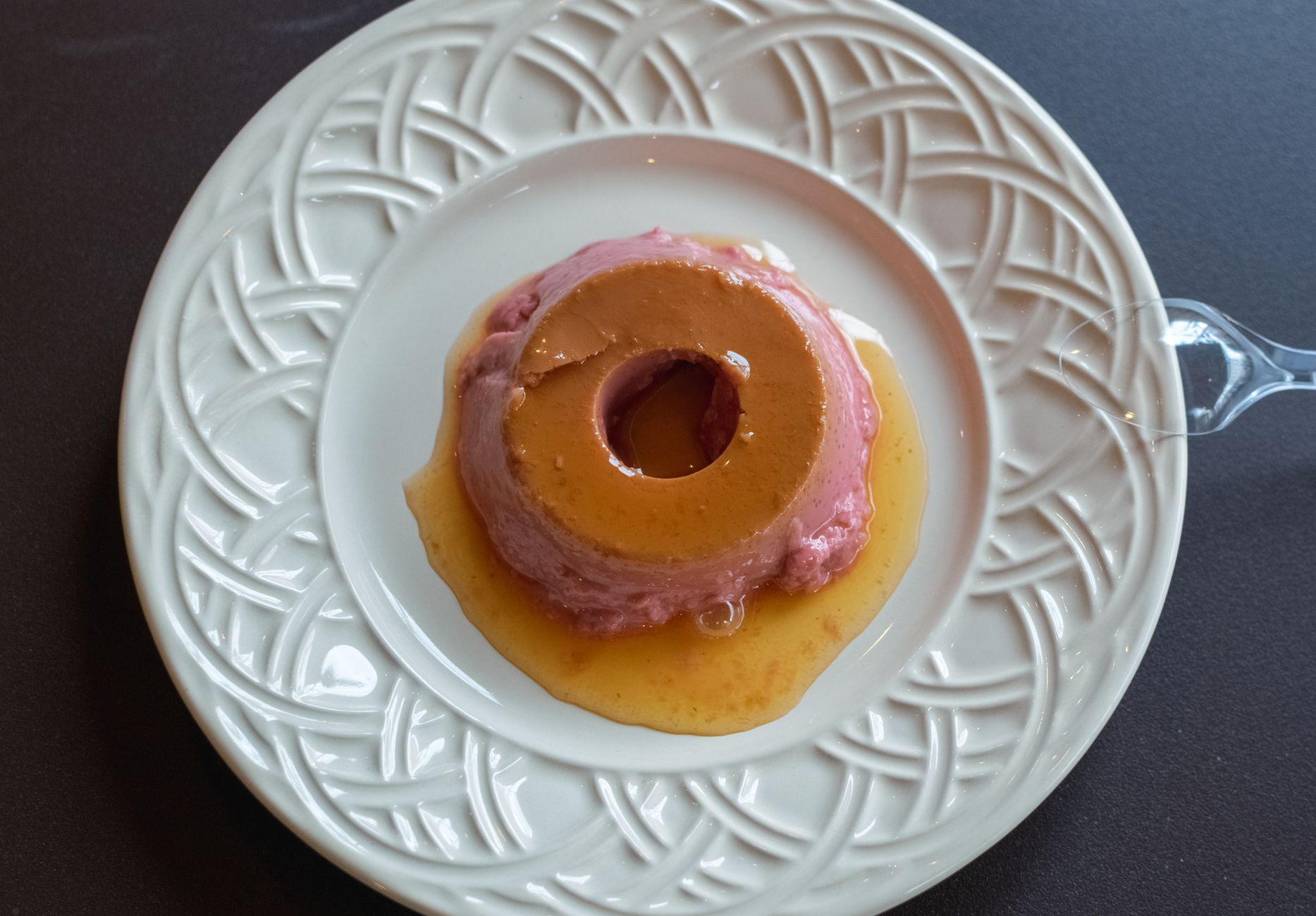
Flan, a creamy custard dessert with caramel sauce, is adored for its smooth texture and sweet flavor. This popular dish, which hails from various culinary traditions, often raises questions about its storage, particularly whether it needs to be refrigerated. Understanding how to properly store flan ensures not only the best taste but also food safety.
This article will discuss the proper storage methods for flan, address food safety considerations, and offer tips for ensuring the dessert maintains its quality over time. By understanding these principles, you can enjoy your flan without worry, whether you’ve made it at home or purchased it from a store.
Does Flan Need to Be Refrigerated?
Yes, flan should be refrigerated to maintain its freshness and prevent foodborne illnesses. Due to its dairy content, it is perishable and must be stored in a refrigerator to ensure it stays safe and delicious. Always refrigerate flan promptly after preparation or serving, and consume it within 3 to 5 days for optimal quality.
Understanding Flan: A Brief Overview
Flan is a type of caramel custard popular in many cultures, particularly in Spain and Latin America. It traditionally consists of a rich mixture of eggs, milk, sugar, and vanilla. The caramel topping gives it a distinctive flavor and attractive presentation. While flan is a delightful dessert that can be enjoyed on special occasions or as a delicious ending to a meal, understanding its ingredients and qualities helps in better storage decisions.
Ingredients That Make Flan
To appreciate flan’s storage needs, it is important to know its primary ingredients and their properties. The basic components of flan include:
- Eggs: Provide richness and act as a binding agent.
- Milk: Typically whole milk or cream, which offers a creamy texture.
- Sugar: Sweetens the dessert, critical for both the custard and caramel.
- Vanilla: Enhances flavor, can be extract or vanilla bean.
These ingredients contribute to flan’s perishable nature, emphasizing the importance of refrigeration to prevent spoilage and bacterial growth.
Why Refrigerate Flan?
Refrigeration is essential for flan for several reasons:
- Preservation: The cold temperature slows down bacterial growth, prolonging the dessert’s shelf life.
- Freshness: Keeps the custard flavorful and maintains its creamy texture, preventing it from turning watery or grainy.
- Food Safety: Prevents the risk of foodborne illnesses associated with dairy and eggs, which are sensitive at room temperature.
How to Properly Store Flan
Storing flan correctly can ensure you enjoy its delicate flavor and texture for as long as possible. Here are some practical steps:
Immediate Refrigeration
After you finish preparing or serving your flan, it should be refrigerated right away. If it has been sitting out for more than two hours (or one hour if the room temperature exceeds 90°F), it should be discarded to avoid foodborne illness.
Using Airtight Containers
Once cooled, transfer the flan to an airtight container. This prevents odors from other foods in the refrigerator from affecting the custard’s flavor and minimizes the risk of moisture loss, which could alter its texture.
Covering the Flan
If an airtight container isn’t available, cover the flan tightly with plastic wrap to minimize exposure to air. Ensure the wrap is in direct contact with the surface of the flan to guard against drying and prevent the formation of a crust.
Consider Caramel Topping
If your flan has a caramel topping, it can sometimes absorb moisture from the refrigerator, making it soggy. To maintain the quality of the caramel, consider adding it just before serving rather than storing it on the flan during refrigeration.
How Long Can Flan Last in the Refrigerator?
When stored correctly, flan can typically last in the refrigerator for about 3 to 5 days. However, there are some important factors that can influence its shelf life:
- Freshness of Ingredients: Use the freshest ingredients possible to maximize shelf life.
- Storage Conditions: Ensure that your refrigerator maintains a consistent temperature below 40°F.
- Handling: Limit exposure to air and contaminants when storing and serving.
Signs of Spoilage
It is important to identify when flan is no longer safe to eat. Here are some signs of spoilage:
- Off Smell: Any sour or unusual odor is a sign that flan may have spoiled.
- Texture Change: If flan becomes grainy, watery, or develops a strange film, it is best to discard it.
- Mold: Any visible mold growth indicates the flan is not safe for consumption.
Can You Freeze Flan?
It is possible to freeze flan, but keep in mind that freezing can alter its texture. While it may not be as smooth after thawing, it is safe to do so. Here’s how to properly freeze flan:
Freezing Flan
- Cool Completely: Ensure the flan has cooled to room temperature before freezing.
- Cover Well: Wrap it tightly in plastic wrap and then in aluminum foil to prevent freezer burn.
- Label & Date: Include the date on the packaging so you can keep track of how long it has been frozen.
- Freeze: Store the flan in the freezer for up to 2 months for best quality.
Thawing Frozen Flan
To thaw frozen flan, transfer it to the refrigerator and allow it to thaw slowly overnight. Avoid thawing at room temperature, as this can raise the temperature too quickly and lead to spoilage.
Serving Tips for Flan
Once you’re ready to serve flan, consider these tips to enhance your presentation:
- Garnish: Fresh fruits, whipped cream, or chocolate sauce can add visual appeal and flavor contrast.
- Temperature: For the best texture and flavor, serve flan chilled directly from the refrigerator.
- Plating: Gently invert the flan onto a plate to showcase the caramel topping.
Common Mistakes to Avoid When Making Flan
Creating the perfect flan takes practice, and here are some common pitfalls to be aware of:
- Overcooking: Keep an eye on the cooking time to prevent the flan from becoming rubbery.
- Improper Mixing: Ensure the mixture is well-combined but not overly whisked, which can introduce air bubbles.
- Skipping the Water Bath: A water bath (bain-marie) helps regulate oven temperature and promotes even cooking.
Conclusion
In summary, flan should definitely be refrigerated to maintain its quality and ensure food safety. Proper storage in an airtight container, along with timely consumption, will help you enjoy this delightful dessert at its best. Don’t forget to check for signs of spoilage before indulging in any leftovers.
For further insights on food storage, explore topics like Does Ghee Need to Be Refrigerated? and How Long Does Cottage Cheese Last After Opening?. These resources provide additional guidance on how to keep your dairy products fresh and safe for consumption.