
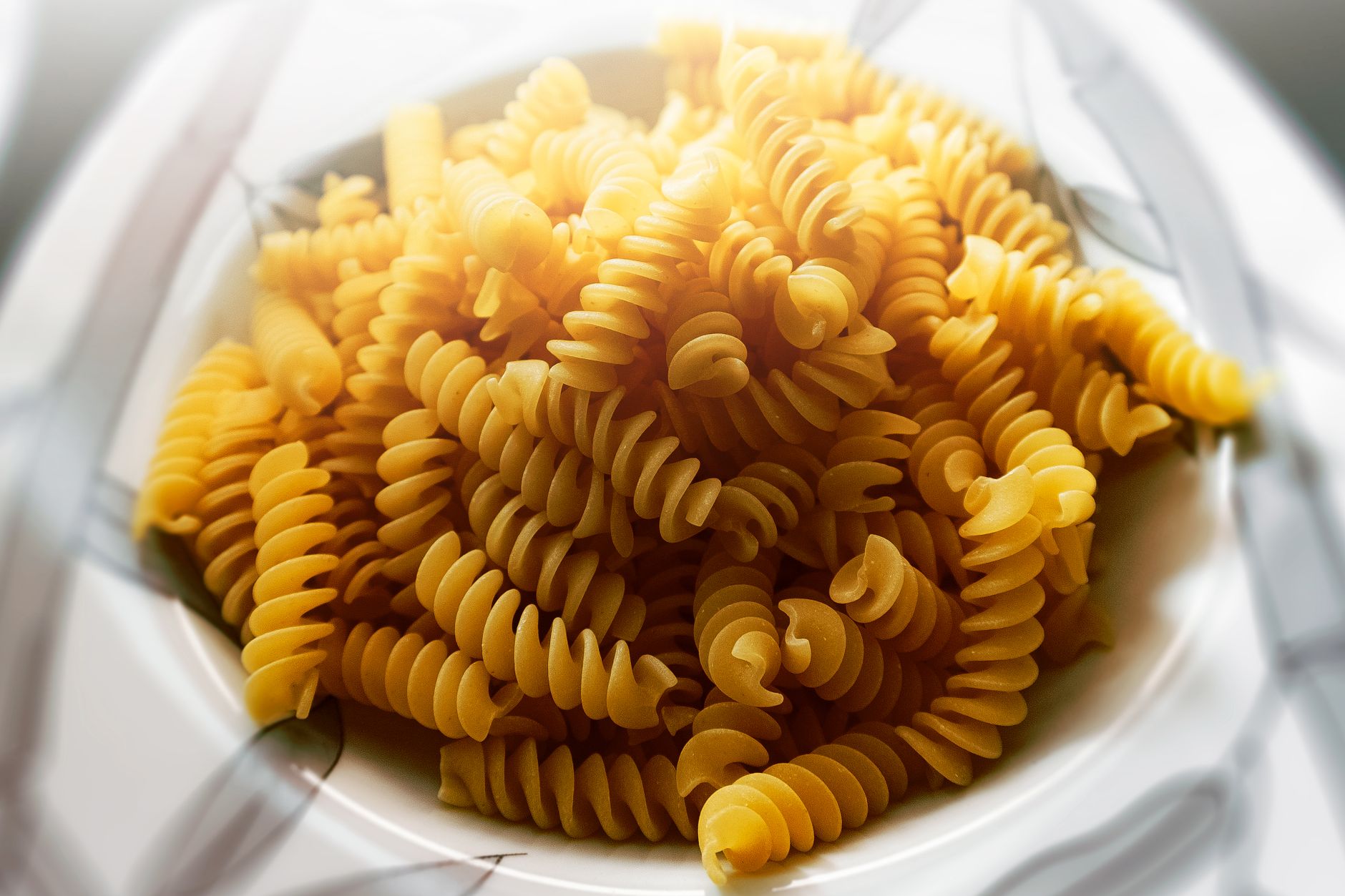
When it comes to pasta, there are nearly endless shapes and varieties to choose from. One of the most striking and popular among them is the spiral noodle. Also known as fusilli, these twisted shapes are versatile and bring a delightful texture to various dishes. Understanding their origins, uses, and cooking techniques can elevate your meals.
This article explores the history, uses, and more about spiral noodles, guiding you through how to utilize them in cooking, making meals more enjoyable and satisfying.
What Are the Spiral Noodles Called?
Spiral noodles are primarily known as fusilli. They are a type of pasta characterized by their corkscrew shape. Fusilli originated in Italy and are often used in salads, casseroles, and hearty sauces. They can be made from various types of flour, allowing for gluten-free variations as well.
The History and Origins of Fusilli
Fusilli has its roots in Southern Italy, particularly in the region of Campania. The shape is thought to have derived from the 16th-century practice of twisting strips of pasta around a thin rod known as a “ferretto.” Over time, it became widely popular in Italian cuisine, celebrated for its ability to hold sauces and flavors effectively.
Historical documentation suggests that pasta-making techniques evolved from ancient Etruscans, who are believed to have made early types of pasta. The introduction of durum wheat from the Middle East during the Middle Ages improved pasta’s quality, making it more widely consumed across Italy.
Types of Spiral Noodles
While fusilli is the most recognized spiral noodle, there are other types that can also be categorized under spiral shapes, each offering unique textures and culinary uses:
- Fusilli: The quintessential spiral noodle, fusilli has a tight corkscrew shape, perfect for capturing sauces.
- Gemelli: Often confused with fusilli, gemelli consists of two strands twisted together, resembling a single spiral. Its playful shape works well in salads.
- Cavatappi: This spiral pasta is shaped like a corkscrew tube, making it excellent for creamy sauces due to its hollow form.
- Rotini: With a tighter spiral than fusilli, rotini can hold onto thicker sauces effectively, ideal for hearty dishes.
Choosing Spiral Noodles: What to Look For
When selecting spiral noodles, consider the following factors to make the best choice for your culinary needs:
1. Material
The most common spiral noodles are made from wheat flour, but you can also find options made from whole wheat, gluten-free grains like rice or quinoa, and even lentils. Check the ingredient label if you have dietary restrictions.
2. Shape and Size
Different shapes and sizes of spiral noodles can change how they interact with sauces and other ingredients. More compact spirals will hold onto sauces better, while larger ones may be better suited for lighter toppings.
3. Color
Don’t shy away from colored pasta! Many producers offer spirals made with natural colorings from beet, spinach, or tomato. Colored noodles can add a visual appeal to your dishes.
Culinary Uses for Spiral Noodles
Spiral noodles are incredibly versatile and can be used in a variety of dishes, catering to numerous tastes and preferences:
1. Salads
Fusilli and other spiral noodles are popular in pasta salads, holding dressings well thanks to their ridges and shape. A cold salad featuring vegetables, olives, and feta cheese can be a refreshing dish for summer gatherings.
2. Casseroles
Spiral noodles can be used in baked pasta dishes. Their shape allows for excellent sauce adhesion, making for a delicious comforting casserole when baked with cheese and vegetables.
3. Soups
Add a handful of cooked spiral noodles to your soups for added heartiness. Their shape adds a pleasing twist, and they soak up flavors effectively.
4. Sauced Dishes
Whether it’s marinara, pesto, or a creamy Alfredo sauce, spiral noodles pair beautifully with a wide range of sauces, enhancing the dish by adding texture and holding flavors.
Cooking Spiral Noodles: A Step-by-Step Guide
Cooking spiral noodles is straightforward. Here’s a detailed guide to ensure perfectly cooked pasta every time:
Essential Equipment
- Large pot
- Colander
- Wooden spoon
- Measurement cups and spoons
Ingredients
- 8 ounces of spiral noodles (fusilli, rotini, or your preferred type)
- Water (enough to fill the pot, approximately 4-6 quarts)
- Salt (to taste; around 1-2 tablespoons)
Cooking Method
- Fill a large pot with water, making sure to leave enough room for the noodles to expand as they cook.
- Add salt to the water. This enhances the flavor of the pasta.
- Bring the water to a rolling boil over high heat.
- Once boiling, add the spiral noodles to the pot. Stir gently with a wooden spoon to prevent sticking.
- Refer to the package instructions for exact cooking time, typically around 8-12 minutes. Taste the noodles a minute before the indicated time to check for doneness. They should be al dente, which means tender but still slightly firm to the bite.
- Once cooked, drain the noodles in a colander. Do not rinse unless you’re preparing a cold dish.
- Incorporate your preferred sauce or ingredients immediately for the best flavor.
Common Mistakes to Avoid When Cooking Pasta
While cooking spiral noodles is simple, there are some pitfalls to watch out for:
- Not enough water: Insufficient water can cause the noodles to stick together and cook unevenly.
- Overcooking: Keep an eye on the timer. Overcooked pasta can become mushy and lose its shape.
- Not salting the water: Salt enhances the flavor of the noodles; skipping it means boring pasta.
- Rinsing after cooking: Rinsing washes away the pasta’s starch, which helps sauce adhere. Only rinse for cold salads or similar dishes.
Practical Substitutions for Spiral Noodles
If you find yourself without spiral noodles or prefer to try alternatives, consider these practical substitutions:
- Rotini or Gemelli: Similar in shape, these noodles will work well in any recipe calling for fusilli.
- Shells: While not spiraled, shell pasta can hold sauces remarkably well, making it a suitable substitute.
- Rice or Quinoa Pasta: For a gluten-free option, rice or quinoa noodles are protein-rich and can replicate the spiral shape when cooked.
Make-Ahead and Storage Tips
If you’re planning meals and want to prep in advance, consider these tips for storage:
Cooking and Storing:
To store cooked spiral noodles, allow them to cool completely before transferring them to an airtight container. They can be stored in the refrigerator for up to three days. If frozen, they can last for a month.
Reheating:
To reheat, add a splash of water or sauce to the pasta and heat in the microwave or on the stovetop until warmed through. Be careful not to overcook the noodles during reheating.
Serving Suggestions
When it comes to serving spiral noodles, creativity is key. Utilize these ideas to enhance your dishes:
- Fresh Herbs: Sprinkle fresh basil, parsley, or cilantro over your dish before serving for a burst of flavor.
- Cheese: Grate Parmesan, Pecorino, or your favorite cheese on top to add richness.
- Nuts and Seeds: Add toasted pine nuts or sunflower seeds for crunch and texture.
- Vegetables: Incorporate roasted or sautéed seasonal vegetables for added nutrition and flavor.
Regional Variations of Spiral Noodles
Though most widely known as fusilli, spiral noodles appear in various culinary traditions around the globe:
Italian Cuisine
In Italy, fusilli is often tossed with tomato or cream-based sauces. It can also have a starring role in pasta salads or served as a side dish.
Asian Influences
Asian cuisines also embrace spiral shapes in their pasta. Some noodle dishes incorporate similar textures, adding a twist to stir-fries and soups.
Creative Recipes with Spiral Noodles
Enhance your spiral noodle experience with these creative dish ideas:
- Fusilli Pasta Salad: Combine cooked fusilli with cherry tomatoes, cucumbers, olives, feta cheese, and a lemon vinaigrette for a refreshing dish.
- One-Pan Fusilli Bake: Mix cooked fusilli with your choice of sauce, vegetables, and cheese in a baking dish, then bake until bubbly.
- Pasta Primavera: Sauté seasonal vegetables and combine them with cooked spiral noodles in a light olive oil or garlic sauce for a delicious, healthy meal.
Understanding what spiral noodles, or fusilli, are and how they can be used is key to enhancing your pasta repertoire. Their unique shape and versatility make them a favorite for many home cooks. With this guide, you can confidently choose, cook, and serve spiral noodles in delicious ways.
If you’re curious about pasta materials, check out what pasta is made of or explore the different types of udon noodles, which offer a distinct texture and flavor contrasted with spiral shapes!