
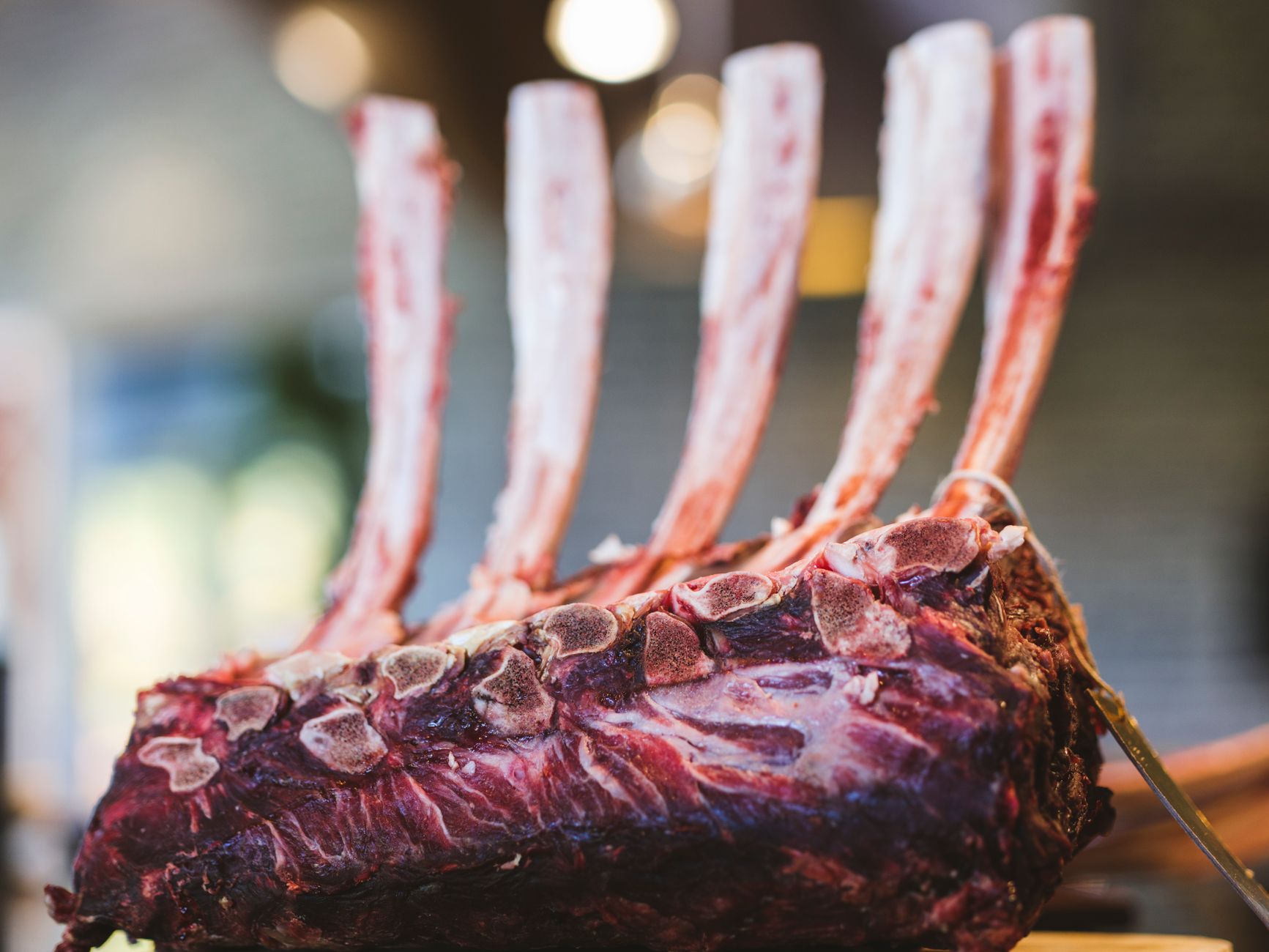
Cooked prime rib is a succulent and hearty dish, perfect for special occasions and family gatherings. However, if you find yourself with leftovers after your celebratory meal, you may be wondering about the best way to store it. One common question is whether you can freeze cooked prime rib.
The answer is yes, you can freeze cooked prime rib. Freezing is an effective way to preserve the meat’s flavor and texture, provided it is done correctly. In this article, you’ll learn the best techniques for freezing, thawing, and reheating cooked prime rib to ensure it remains delicious for future meals.
Can You Freeze Cooked Prime Rib?
Yes, cooked prime rib can be safely frozen for later enjoyment. Freezing cooked meat locks in flavor and keeps it safe from spoilage, allowing you to enjoy this delicacy at a later date. However, the quality of the meat may gradually decrease over time, so it’s best to consume it within three to six months for optimal taste and texture.
Why Freeze Cooked Prime Rib?
Freezing cooked prime rib allows you to take advantage of leftovers without sacrificing quality. Here are a few reasons to consider freezing:
- Minimize Waste: If you end up with more prime rib than you can eat in a single sitting, freezing can help reduce food waste.
- Convenience: Having cooked prime rib in your freezer means you can easily create quick meals. Just thaw and reheat for an instant delightful dinner.
- Cost-Effective: Buying prime rib in larger portions can be more economical. Freezing allows you to enjoy the purchase over a longer period.
How to Freeze Cooked Prime Rib
Properly freezing cooked prime rib is essential to maintain its quality. Follow these steps for safe and efficient freezing:
1. Allow the Meat to Cool
Before freezing, let the cooked prime rib cool to room temperature. This helps prevent condensation from forming inside the plastic wrap or storage bag which can contribute to freezer burn.
2. Portion the Meat
Divide the prime rib into portions suitable for your future meals. This makes it easier to thaw only what you need without repeatedly exposing the remainder to air and temperature fluctuations.
3. Wrap the Prime Rib
Use heavy-duty aluminum foil, plastic wrap, or freezer paper to tightly wrap each portion, ensuring there is minimal air trapped inside. Alternatively, vacuum sealing is a great option for long-term storage, as it removes air and reduces the likelihood of freezer burn.
4. Label the Packaging
On each package, write the date of freezing and the type of meat. This will help you keep track of how long it has been stored.
5. Place in Freezer
Finally, place the wrapped portions in the freezer. Make sure they are stored in a flat position so that they freeze evenly.
Freezing Tips
Here are some additional tips to ensure that your frozen prime rib stays delicious:
- Use the Right Temperature: The freezer should be at 0°F (-18°C) or lower for optimal preservation.
- Freeze Before the Expiration Date: Make sure to freeze your cooked prime rib while it is fresh and has not exceeded its refrigerator shelf life.
- Avoid Refreezing: Once thawed, it is best not to refreeze the meat. This can lead to a loss of texture and flavor.
How to Thaw Frozen Cooked Prime Rib
Thawing properly is just as important as freezing when it comes to maintaining the quality of your cooked prime rib. Here are a few effective thawing methods:
1. Refrigerator Thawing
The safest method to thaw cooked prime rib is in the refrigerator. Transfer the wrapped portions from the freezer to the refrigerator and let them thaw slowly for 24 hours. This method keeps the meat at a safe temperature and helps retain its moisture.
2. Cold Water Thawing
If you’re short on time, you can place the sealed prime rib in a cold water bath. Ensure the packaging is watertight and submerge the meat in cold water, changing the water every 30 minutes. This method typically thaws cooked prime rib in a few hours, depending on the size.
3. Microwave Thawing
Thawing in the microwave should be used as a last resort. If you choose this method, be sure to use the defrost setting and monitor closely to prevent starting the cooking process. After microwaving, cook the meat immediately for safety.
How to Reheat Cooked Prime Rib
Once thawed, reheating cooked prime rib properly is key to maintaining its flavor and juiciness. Here are a few methods to consider:
1. Oven Reheating
- Preheat your oven to 250°F (120°C).
- Place the prime rib in an oven-safe pan and cover it with foil to retain moisture.
- Reheat for about 20-30 minutes or until the internal temperature reaches 130°F (54°C) for medium-rare. Use a meat thermometer to check.
- Let the prime rib rest for about 10 minutes before slicing and serving.
2. Stovetop Reheating
- Put a skillet on the stovetop over medium-low heat.
- Add a little broth or water to the pan for moisture and place the prime rib slices in.
- Cover with a lid and heat for 5-10 minutes, checking periodically to avoid overcooking.
3. Sous Vide Reheating
If you have a sous vide machine, this method preserves the juiciness and texture of the prime rib:
- Seal the cooked prime rib in a vacuum bag.
- Heat water in the sous vide bath to 130°F (54°C).
- Immerse the bagged meat in the water and let it reheat for about 1-2 hours.
Common Mistakes to Avoid
When freezing, thawing, and reheating cooked prime rib, there are a few common mistakes to watch out for:
- Not Wrapping Properly: Leaving air in the wrap can lead to freezer burn. Ensure that all portions are tightly sealed.
- Thawing at Room Temperature: Allowing the prime rib to thaw at room temperature can promote bacterial growth. Always thaw it in the refrigerator or cold water.
- Overcooking During Reheating: Reheating at too high a temperature can dry out your prime rib. Always use a lower temperature to maintain juiciness.
Serving Suggestions
Cooked prime rib is a versatile dish that can be served in various ways. Here are some ideas to elevate your presentation:
- Sliced and Served on a Platter: Serve the slices on a platter, garnished with fresh herbs or roasted vegetables.
- As a Sandwich: Use leftover prime rib to create delicious sandwiches with horseradish sauce and your favorite toppings.
- In a Salad: Cut the prime rib into strips and add it to a fresh salad with your choice of dressings.
How Long Can You Freeze Cooked Prime Rib?
For the best quality and taste, aim to consume your frozen cooked prime rib within three to six months. While it will remain safe to eat beyond this time frame if kept frozen, its flavor and texture may begin to degrade.
Conclusion
Freezing cooked prime rib is an excellent way to save your delicious leftovers for future enjoyment. With proper wrapping, labeling, and thawing methods, you can maintain the quality of this hearty dish. Whether you decide to slice it for a meal or use it in other recipes, you can savor the flavors of prime rib long after the special occasion has passed.
For more related tips on freezing and cooking proteins, check out our articles on freezing cooked chicken and prime rib rub recipe. Happy cooking!