
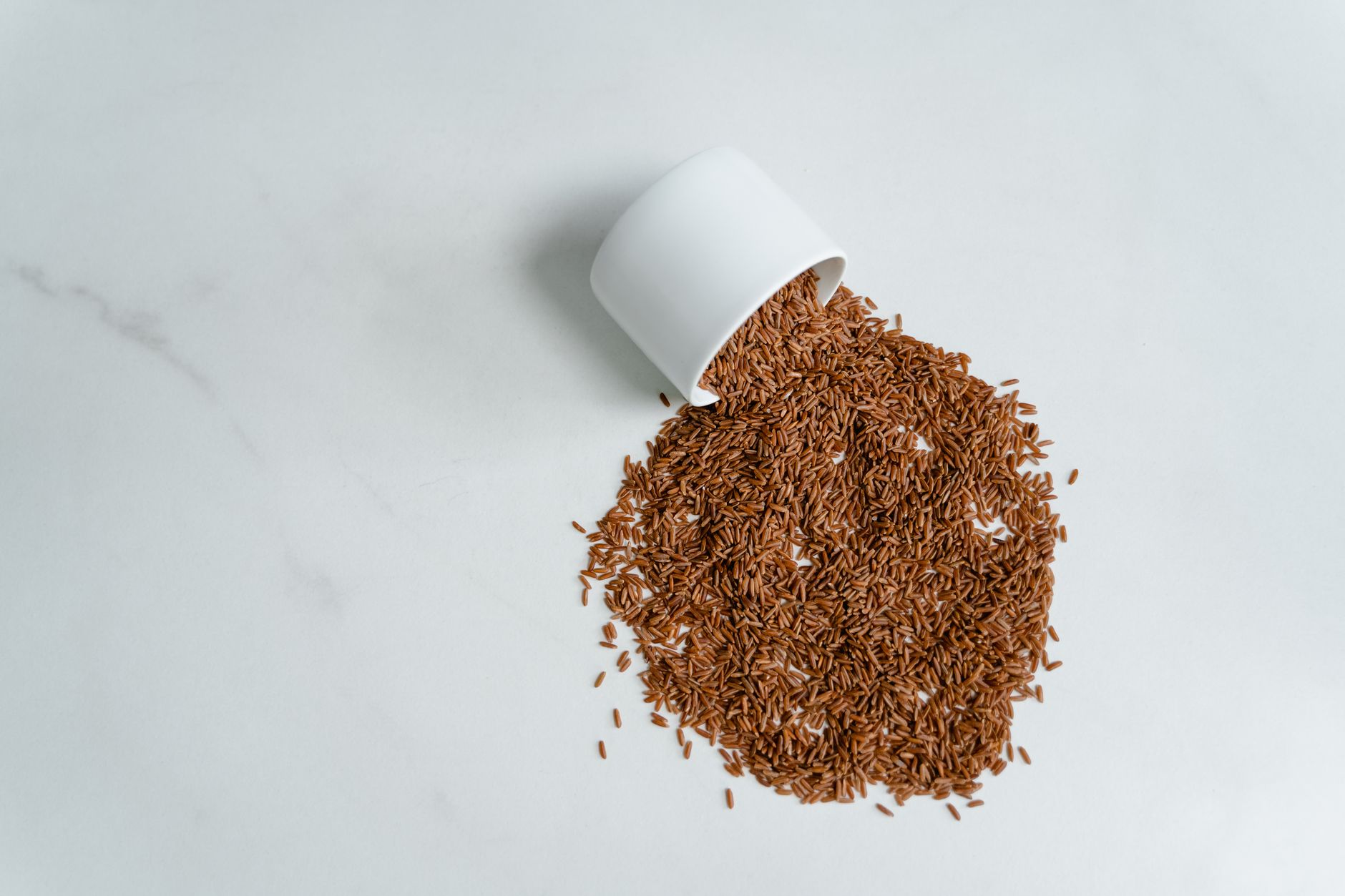
Understanding the caloric content of staple foods is crucial for meal planning and dietary considerations. When it comes to white rice, a popular base in many cuisines, knowing how many calories are in a cup of cooked white rice can help in evaluating its place in your diet.
In this article, we will explore the calories in cooked white rice, its nutritional profile, cooking methods, and some tips on how to make it a healthier option for your meals.
How Many Calories Is a Cup of Cooked White Rice?
A standard cup of cooked white rice contains approximately 205 calories. This value can vary slightly based on the cooking method and any additional ingredients added during preparation.
Cooked white rice is primarily composed of carbohydrates, making it a significant source of energy; however, it is low in fiber unless it’s enriched or accompanied by other fiber-rich foods.
Nutritional Breakdown of Cooked White Rice
Understanding the full spectrum of nutrients in cooked white rice is essential for balancing your meals. Here’s a simplified nutritional breakdown of one cup (around 158 grams) of cooked white rice:
- Calories: 205
- Carbohydrates: 45 grams
- Protein: 4.3 grams
- Fat: 0.4 grams
- Fiber: 0.6 grams
- Sodium: 1 milligram
- Iron: 1.9 milligrams (about 10% DV)
- Calcium: 19 milligrams
The caloric content and nutritional values may vary if you use other cooking methods or enhance the rice with additional ingredients. For instance, adding butter or oil during cooking will increase the calorie count significantly.
Factors Affecting Caloric Content
The calorie count of cooked white rice is mainly determined by several factors, including the cooking method, the specific type of rice, and serving size. Here are the primary considerations that can alter the calorie content:
1. Cooking Method
How you cook your rice can influence the calorie count. Steaming or boiling rice without added fats will give you a straightforward caloric value. However, if you fry the rice or cook it in oil or butter, you can add a substantial number of calories. For instance:
- If you fry your rice in oil, you might add anywhere from 120 to 200 calories depending on the amount of oil used.
- Using broth or stock instead of water for cooking can also change the flavor and nutritional profile, adding negligible calories if low-sodium options are selected.
2. Type of Rice
Different varieties of rice have varying nutritional profiles. For instance:
- Brown rice contains approximately 218 calories per cup and offers more fiber.
- Specialty rices like jasmine or basmati might have slightly different caloric values, often similar to white rice but differing in flavor and texture.
3. Serving Size
The portion size will also affect the total calories consumed. While one cup is a standard serving, many people may consume more or less than this amount, depending on personal dietary choices and meal plans.
Healthier Rice Choices and Alternatives
If you are looking to maintain a balanced diet or reduce caloric intake while including rice in your meals, consider these healthier choices:
1. Whole Grain Options
Choosing whole grain versions such as brown rice, quinoa, or farro can enhance the fiber content, thereby aiding digestion and promoting satiety. Brown rice, for instance, retains the bran and germ, providing additional nutrients.
2. Measuring Serving Sizes
Using measuring cups can help ensure appropriate portion sizes. Many people tend to overestimate their serving sizes, leading to higher calorie consumption. Aim for around ½ to 1 cup of cooked rice per meal, depending on your caloric needs.
3. Coupling with Vegetables
Incorporate more vegetables into your rice dish to add bulk without significantly increasing calorie content. This practice decreases the relative caloric density of the meal and enhances its nutritional profile.
Cooking Methods for White Rice
Cooking white rice is a straightforward process; however, following the right steps ensures fluffy, evenly cooked grains. Here is the most used method:
Ingredients:
- 1 cup white rice (uncooked)
- 2 cups water or broth
- Optional: a pinch of salt, a teaspoon of oil or butter
Essential Equipment:
- A medium saucepan with a lid
- A measuring cup
- A fork for fluffing
Method:
- Rinse the rice under cold water in a fine-mesh strainer until the water runs clear to remove excess starch. This helps prevent the rice from becoming gummy.
- In a medium saucepan, combine the rinsed rice and water or broth, and add a pinch of salt if desired. Bring it to a boil over medium-high heat.
- Once boiling, reduce the heat to low and cover the pot with a lid. Allow it to simmer for approximately 18 to 20 minutes, without lifting the lid.
- After the cooking time, remove the pot from heat without lifting the lid and let it sit for an additional 5 minutes to allow the rice to continue steaming.
- Fluff the rice with a fork before serving to separate the grains.
Common mistakes can include not rinsing the rice, which leads to a gummy texture, or lifting the lid too frequently, which disrupts the cooking process.
Serving Suggestions
Cooked white rice serves as a versatile base for many dishes. Here are some ideas to consider:
- Pair it with stir-fried vegetables and tofu for a balanced vegan meal.
- Serve as a side with grilled chicken or fish, complemented by a fresh salad.
- Incorporate it into soups and stews for a comforting, hearty dish.
Storing and Reheating Cooked Rice
Leftover cooked rice can be safely stored and reheated. Here are some key guidelines:
Storage:
Once the rice has cooled, store it in an airtight container in the refrigerator for up to four days. If you need to store it longer, consider freezing it in a sealed plastic bag or airtight container, where it can last for up to six months.
Reheating:
When reheating frozen rice, it’s best to use the microwave or stovetop. To heat in the microwave, add a splash of water and cover with a microwave-safe lid or plate to steam it while reheating. For stovetop reheating, add a splash of water to the pot and cover it. Heat over low to medium heat, stirring occasionally until warmed through.
Conclusion
Understanding the caloric content of cooked white rice is essential for maintaining a balanced diet. With its approximately 205 calories per cup, it can be part of a nutritious meal when served with vegetables or lean proteins. Adjusting cooking methods, choosing healthy alternatives, and being mindful of portions can also help you make the most of this versatile staple.
For those interested in exploring more about rice and its dietary implications, consider checking out how many calories are in pho and an overview of whether rice is fattening.