
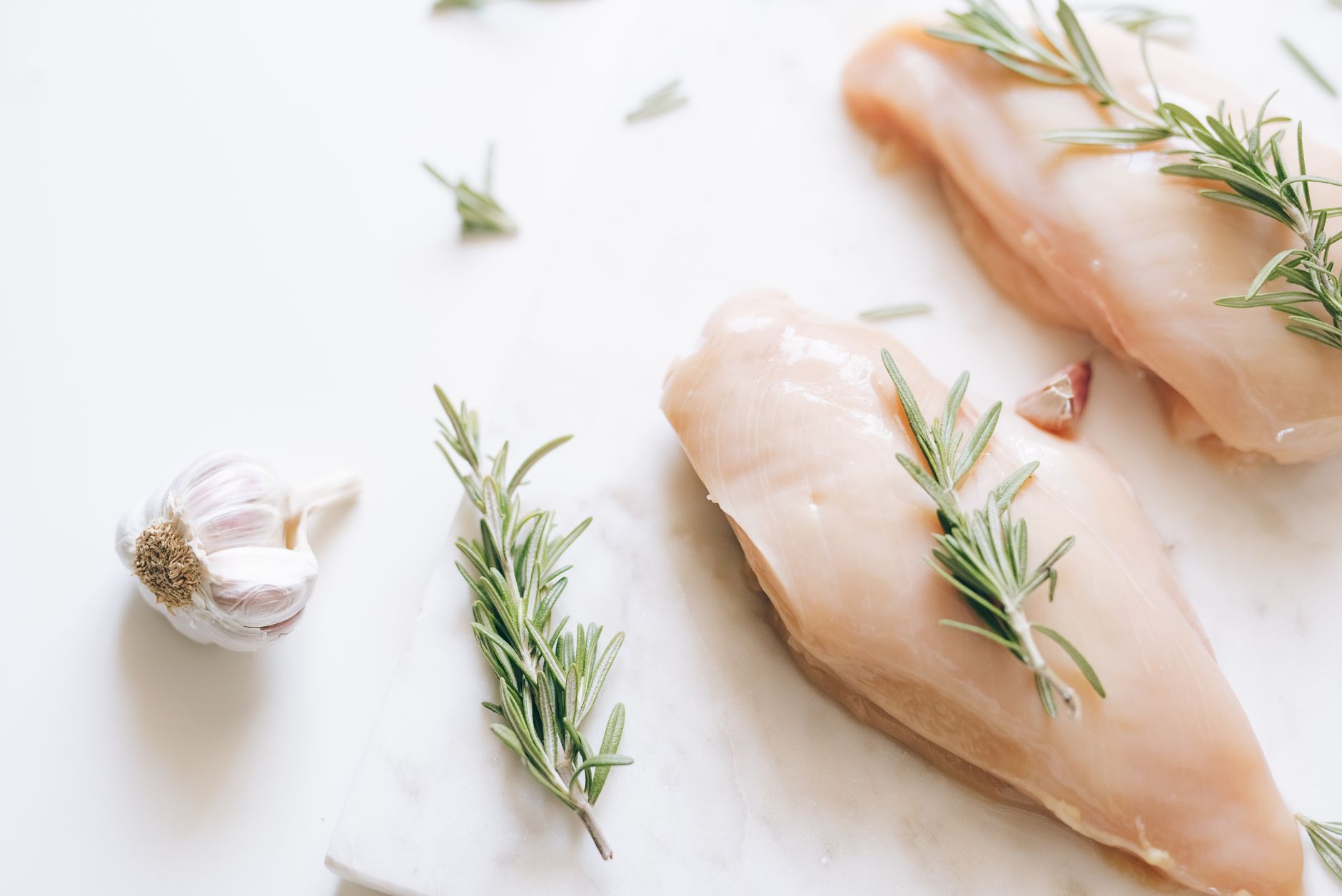
Undercooked chicken poses significant health risks due to the potential presence of harmful bacteria. Cooking chicken thoroughly is essential not only for flavor but primarily for safety. This article will explore the dangers of eating undercooked chicken, prevention tips, symptoms of related illnesses, and safe cooking practices.
Understanding what happens when you consume undercooked chicken can help you make informed choices in the kitchen. Whether you’re a seasoned cook or a novice, knowing the risks associated with chicken preparation is crucial for protecting your health and that of those you serve.
What Happens If You Eat Undercooked Chicken?
If you eat undercooked chicken, you run the risk of ingesting harmful bacteria, primarily Salmonella and Campylobacter. These pathogens can lead to foodborne illnesses, with symptoms ranging from mild gastrointestinal discomfort to severe complications that may require hospitalization.
Understanding the Risks of Undercooked Chicken
The bacteria that thrive in chicken and other poultry products can multiply rapidly when the meat is not cooked to the recommended internal temperature. Here are several key points regarding the risks:
- Salmonella: This bacterium is commonly found in the intestines of chickens. Ingesting it can lead to salmonellosis, characterized by diarrhea, fever, and abdominal cramps.
- Campylobacter: Often found in raw chicken, Campylobacter infection can cause fever, stomach cramps, and diarrhea that may be bloody.
- Other pathogens: Chicken can also harbor lesser-known pathogens, such as Clostridium perfringens and Listeria, especially affecting vulnerable groups like pregnant women and the elderly.
Health Implications
Eating undercooked chicken can result in a variety of health issues. The severity of symptoms can vary based on several factors, including individual health, age, and the virulence of the bacteria present. Below are common symptoms associated with foodborne illnesses:
- Diarrhea
- Fever
- Abdominal pain
- Nausea and vomiting
- Dehydration, which can be particularly severe in young children and the elderly
If you experience severe symptoms or signs of dehydration after eating undercooked chicken, seeking medical attention is crucial.
How to Determine if Chicken is Undercooked
One of the biggest challenges in home cooking is ensuring that chicken is cooked safely. Color and texture alone are not reliable indicators. Here are practical methods to check chicken readiness:
- Internal temperature: The only sure way to verify chicken doneness is by using a food thermometer. Chicken should reach an internal temperature of 165°F (75°C) to be safe for consumption.
- Visual cues: Fully cooked chicken should be white or light tan throughout, with clear juices running from it when pierced. Avoid relying solely on these indicators.
Using a Food Thermometer
Investing in a reliable food thermometer is essential for anyone who cooks with chicken regularly. Here’s how to properly use one:
- Insert the thermometer into the thickest part of the chicken, avoiding bones and fatty areas.
- Check the reading; the internal temperature should be at least 165°F (75°C).
- Let the chicken rest for a few minutes before cutting, as the temperature will continue to rise slightly.
Prevention Tips for Safe Chicken Handling
Preventing undercooked chicken starts long before you even begin to cook. Here are some essential safety practices to follow:
- Thawing: Always thaw chicken in the refrigerator, cold water, or microwave, but never at room temperature.
- Cross-contamination: Keep raw chicken separate from ready-to-eat foods. Use separate cutting boards and utensils.
- Washing hands: Wash your hands thoroughly with soap and hot water before and after handling raw chicken.
- Cooking in batches: If cooking multiple pieces of chicken, leave space between them in the pan for even cooking.
What to Do If You’ve Eaten Undercooked Chicken
If you suspect that you’ve consumed undercooked chicken, it’s reasonable to monitor for symptoms. Here’s how to proceed:
- Monitor your health for signs of foodborne illness for at least 48 hours.
- If symptoms develop, stay hydrated by drinking clear fluids.
- Seek medical advice if you experience severe symptoms, such as high fever, prolonged vomiting, or severe abdominal pain.
Common Myths About Cooking Chicken
Several myths persist regarding chicken preparation. Understanding these can enhance kitchen safety:
- It’s safe to eat pink chicken: Color is not an indicator of safety; always check internal temperature.
- Marinating chicken kills bacteria: While marination can add flavor, it does not replace cooking for safety.
- Leftovers can be reheated multiple times: Each time food is reheated, the risk of bacterial growth increases. Try to reheat only once.
Cooking Techniques to Ensure Safe Chicken
Employing specific cooking techniques can ensure that chicken is thoroughly cooked. Here are some methods to consider:
Grilling
Grilling can create delicious, charred chicken but requires attention to temperature:
- Preheat the grill to the correct temperature and avoid placing cold chicken directly onto the grill.
- Use indirect heat for thicker cuts; this allows the chicken to cook evenly.
Baking
Baking is a reliable method since it cooks chicken uniformly:
- Set your oven to 375°F (190°C) and arrange chicken pieces in a single layer to ensure even cooking.
- Check internal temperatures periodically while cooking.
Slow Cooking
Slow cookers are excellent for ensuring chicken reaches safe temperatures:
- Cook on low for at least 6-8 hours, ensuring chicken pieces are submerged in liquids.
- Check temperatures at the end of cooking to confirm safety.
Storage Tips for Cooked Chicken
Proper storage is vital for keeping cooked chicken safe:
- Refrigerate cooked chicken within two hours of cooking.
- Store in airtight containers to prevent contamination and drying out.
- Consume leftovers within three to four days or freeze for more extended storage.
Conclusion
Understanding the risks associated with undercooked chicken and implementing proper cooking practices can ensure food safety in your kitchen. Always prioritize hygiene, temperature, and thorough cooking methods. If you’re looking to enhance your knowledge further, consider checking out how long cooked chicken lasts or learn how to tell if chicken is bad. Keeping these aspects in mind will ensure a safer cooking experience for you and your loved ones.
For more tips on food safety and proper storage, explore related recipes, cooking tips, or food guides on our blog. Learn how long cooked chicken lasts or discover how to tell if chicken is bad.