
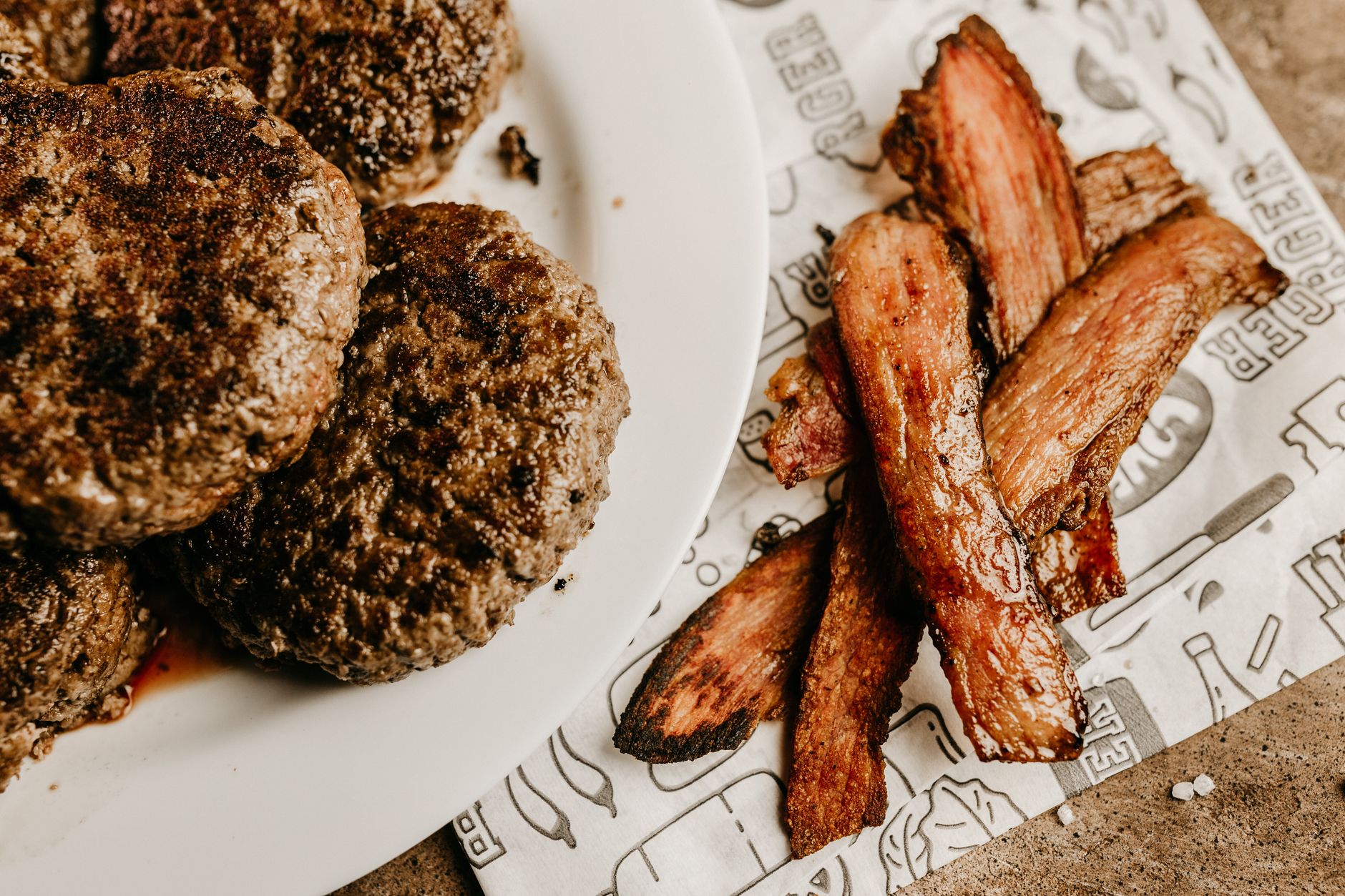
Bacon is a beloved ingredient known for its rich, savory flavor and crisp texture. Cooking bacon in the oven has gained popularity, as it allows for even cooking and holds the potential for less mess compared to traditional frying methods. Understanding how long bacon takes in the oven is essential for achieving perfectly cooked strips without the hassle.
This guide will explore the ideal baking times based on different thicknesses of bacon, provide tips for optimal doneness, and offer insights on how to avoid common mistakes in the process. Whether you’re prepping breakfast or incorporating bacon into another meal, mastering oven-cooked bacon can elevate your culinary skills.
How Long Does Bacon Take in the Oven?
Cooking bacon in the oven typically takes between 15 to 25 minutes at 400°F (204°C), depending on the thickness and desired level of crispiness. Thin bacon cooks faster, while thick-cut varieties require more time. This method ensures an even cooking process and limits splatter.
Understanding Bacon Thickness and Cooking Times
Different types of bacon have different thicknesses, which significantly affects cooking time. Here’s a breakdown:
- Regular-cut bacon: About 15 to 20 minutes.
- Thick-cut bacon: About 20 to 25 minutes.
- Extra-thick or specialty bacon: May take 25 minutes or longer, depending on the exact thickness.
It’s important to check the bacon periodically to avoid overcooking. Oven temperatures can vary, so keeping an eye on the bacon as it cooks ensures you achieve your preferred doneness without burning.
Step-by-Step Guide to Cooking Bacon in the Oven
Here’s a practical method to cook bacon in the oven:
- Preheat the Oven: Set your oven to 400°F (204°C).
- Prepare Your Baking Sheet: Line a baking sheet with aluminum foil or parchment paper for easy cleanup. You may place a wire rack on top of the baking sheet for the fat to drip down, but it’s not necessary.
- Arrange the Bacon: Lay the strips of bacon on the baking sheet in a single layer. Be sure the pieces do not overlap, as this can cause uneven cooking.
- Bake the Bacon: Place the baking sheet on the middle rack of the preheated oven. Bake for 15 minutes for regular-cut or 20 minutes for thick-cut bacon.
- Check for Doneness: After the time has elapsed, check the bacon. It should be crispy and golden brown. If it needs more time, continue to bake, checking every few minutes until it reaches desired doneness.
- Remove and Drain: Once cooked, use tongs to transfer the bacon to a paper towel-lined plate to absorb excess grease. Serve hot.
Tips for Perfect Oven-Baked Bacon
Follow these practical tips to enhance your oven-baked bacon experience:
- Use the Right Temperature: Baking at 400°F (204°C) is optimal. Temperatures too low can result in chewy bacon, while too high may lead to burnt edges.
- Monitor Closely: Ovens can have hot spots, so rotate the baking sheet halfway through cooking to ensure even browning.
- Save the Bacon Grease: Consider saving the rendered bacon grease for use in other recipes. It adds a wonderful flavor to vegetables, fried eggs, or popcorn.
- Experiment with Seasonings: Sprinkling brown sugar, black pepper, or even chili powder can add unique flavors to your bacon strips.
Common Mistakes to Avoid
Avoid these pitfalls for a successful bacon-baking experience:
- Overcrowding the Pan: If you’re cooking a large batch, consider using multiple trays instead of overcrowding one. This ensures even cooking.
- Neglecting to Preheat: Always preheat your oven before placing the bacon inside for the best results.
- Not Checking Doneness: Bacon can go from perfectly crispy to burnt quickly. Always keep an eye on it during the last few minutes of cooking.
Storage and Reheating Tips
Cooking more bacon than needed? Here’s how to store and reheat the leftovers:
- Storage: Allow the bacon to cool completely, then store it in an airtight container in the refrigerator for up to a week.
- Freezing: Cooked bacon can also be frozen for up to three months. Place strips between layers of parchment paper in a freezer-safe bag to prevent sticking.
- Reheating: Reheat bacon in the oven at 350°F (177°C) for about 10 minutes, or in a microwave for 20 to 30 seconds, until warmed through.
Doneness Levels for Bacon
Different people have different preferences for how crispy or chewy they like their bacon. Here’s a simple guide:
- Soft/Chewy: Remove bacon when it has just started to curl and has a lightly golden hue. This typically takes around 12 to 15 minutes.
- Medium: Ideal for those who appreciate a balance between chewiness and crispness. Aim for 15 to 20 minutes.
- Crispy: If you prefer your bacon very crispy, cook for the full recommended time. This could mean baking for about 20 to 25 minutes.
Flavored and Specialty Bacon Options
Consider experimenting with flavored or specialty bacon varieties, which may require minor adjustments in cooking time. Flavored bacon, such as maple, pepper, or smoked varieties, can be prepared similarly to traditional bacon but may offer different textures and flavors:
- Maple Bacon: Keep an eye on sugars during cooking, as they can caramelize and burn quickly.
- Spicy Bacon: Chili-infused bacon may need extra monitoring to prevent over-crisping due to the heat level.
Married Flavors: Recipes to Explore
If you’re inspired to explore bacon further, consider incorporating it into other dishes:
- Salads: Add crispy bacon crumbles to salads for an added kick.
- Breakfast Dishes: Use bacon in omelets or alongside pancakes and eggs.
- Snacks: Create bacon-wrapped appetizers, such as jalapeño poppers or asparagus.
Next Steps and Bacon Variations
Now that you understand how to cook bacon in the oven and the different factors affecting cooking time, consider trying out different variations:
- Candied Bacon: This involves baking bacon with a brown sugar coating for a sweet twist.
- Million Dollar Bacon: This gourmet-style bacon finishes with spices and sweet notes, perfect for brunch.
To learn how to make these delicious bacon varieties, check out our detailed guides on candied bacon and million dollar bacon.
By mastering oven-baked bacon, you can create crispy, satisfying strips that will elevate your meals. Whether enjoyed alone, as part of a breakfast spread, or incorporated into other dishes, bacon’s versatility makes it a staple in many kitchens.
Explore related recipes, cooking tips, or food guides for further inspiration as you enhance your culinary skills. Happy cooking!