
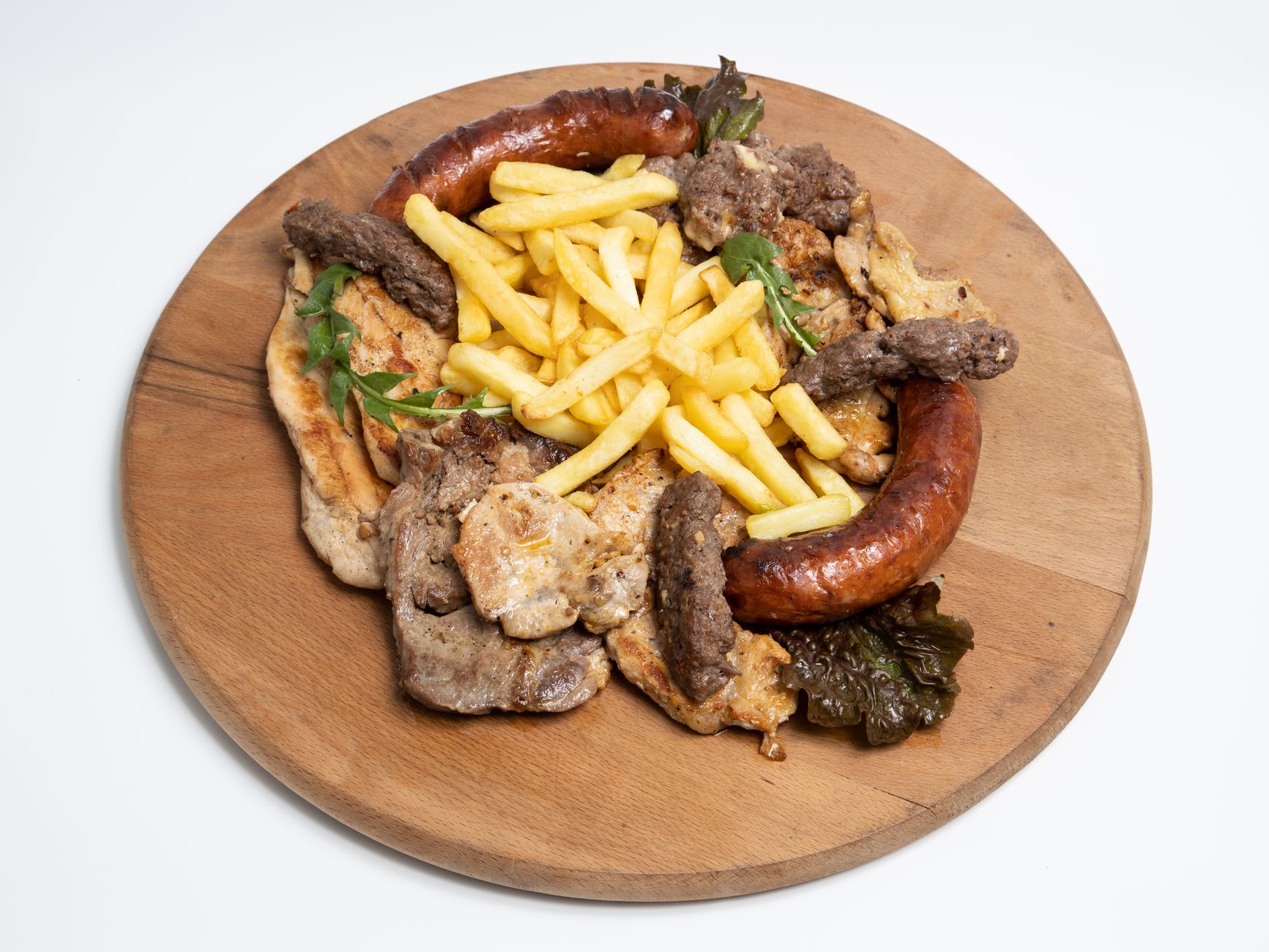
A Plowman’s lunch is a traditional British meal that epitomizes simplicity and heartiness, perfect for a satisfying midday break. It typically includes a selection of wholesome ingredients meant to provide energy for a hardworking day in the fields.
This lunch is noted for its rustic nature and the variety it offers, combining cheese, bread, pickles, and other accompaniments. In this article, we will explore what exactly a Plowman’s lunch entails, its components, and how to assemble your own delicious version at home.
What Is a Plowman’s Lunch?
A Plowman’s lunch is a simple meal traditionally consumed by agricultural workers in the UK, especially during the medieval period. Generally, it consists of cold, easy-to-prepare foods, allowing farmers to fuel their bodies without needing to return to the farmhouse for a proper meal.
This lunch typically features a combination of bread, cheese, and various pickled or preserved items. While it’s often served with a pint of ale, the meal itself is characterized by its humble and hearty nature.
The Flavor and Texture Profile of a Plowman’s Lunch
The flavor profile of a Plowman’s lunch can be quite varied, depending on the ingredients you select. Generally, it embodies a balance of savory, tangy, and slightly creamy flavors, complemented by the hearty texture of bread and the crunch of pickles.
- Cheese: Rich and creamy with a hint of sharpness from aged varieties, adding a savory note.
- Bread: Chewy and hearty, providing a solid base for the meal.
- Pickles: Tangy and slightly sweet, introducing a refreshing crunch.
- Cold meats (optional): Add additional richness and savory depth.
- Fresh vegetables (optional): Crisp and refreshing, balancing the richness of cheese and meats.
Components of a Plowman’s Lunch
When constructing a Plowman’s lunch, consider the following essential components:
Bread
Bread is the foundation of a Plowman’s lunch, traditionally made from whole grain or sourdough varieties. Here are some common types you might consider:
- Whole grain bread
- Crusty sourdough
- Rye bread
- Freshly baked farmhouse bread
Cheese
Cheese is a crucial element, providing richness and flavor. Popular choices include:
- Cheddar: A classic choice, ranging from mild to sharp.
- Stilton: A robust blue cheese adding strong flavors.
- Red Leicester: Offers a crumbly texture and a slightly sweet taste.
- Brie: For a creamy alternative that balances the flavors.
Pickles and Preserved Items
A Plowman’s lunch wouldn’t be complete without some form of acidity. Consider including:
- Piccalilli: A tangy pickled vegetable relish.
- Chutney: Fruit-based, providing sweetness and tang.
- Gherkins: Small pickled cucumbers for crunch.
- Onion chutney or pickled onions: Adds depth with sweetness and acidity.
Cold Meats (Optional)
While a Plowman’s lunch can be vegetarian, many versions include cold meats to add protein and richness. Some popular options are:
- Ham
- Salami
- Roast beef
- Chicken
Fresh Vegetables (Optional)
Including fresh vegetables can add crunch and color. Good choices include:
- Cucumbers
- Radishes
- Cherry tomatoes
- Salad leaves (like rocket or mixed greens)
How to Assemble Your Plowman’s Lunch
Assembling a Plowman’s lunch is straightforward and allows for plenty of creative freedom. Here’s a simple step-by-step process:
- Select Your Bread: Choose your bread type and slice it if necessary. Aim for thick slices that can hold up to the toppings.
- Add Cheese: Cut pieces of cheese and place them on the plate beside the bread.
- Include Pickles and Preserves: Add the pickled vegetables, chutney, or relish to introduce acidity and balance.
- Optional Meats: If using, layer sliced cold meats next to the cheese.
- Add Fresh Vegetables: Scatter fresh vegetable options around the plate for added crunch and color.
- Finish with Garnish: A sprinkle of fresh herbs or a few slices of apple or pear for sweetness can elevate the presentation.
Variations and Substitutions for Your Plowman’s Lunch
While the traditional elements of a Plowman’s lunch are wonderful, you may want to customize your lunch based on tastes or dietary preferences.
Dietary Preferences
- Vegetarian: Omit the meats and focus on various cheese types, pickles, and hearty bread. Adding nuts can introduce protein.
- Vegan: Substitute cheese with vegan cheese or hummus. Ensure that the bread is dairy-free.
- Gluten-Free: Choose gluten-free bread or have your meal components without bread.
Ingredient Substitutions
Consider these substitutions for different flavors or textures:
- Swap cheddar with gouda for a creamier texture.
- Replace traditional pickles with spicy jalapeños for an extra kick.
- For a lighter option, use whole grain crackers instead of bread.
- Try flavored hummus as an alternative to cheese.
Common Mistakes to Avoid
While assembling a Plowman’s lunch is simple, certain pitfalls can detract from your meal:
- Overloading on one ingredient can lead to an unbalanced flavor. Aim for a variety of tastes and textures.
- Forgetting to include something pickled or tangy can make for a one-note meal. Ensure there’s an element of acidity.
- Using dry, stale bread will not provide the needed texture. Always opt for fresh bread.
Serving Suggestions
A Plowman’s lunch can be served as is or paired with some additional elements:
- A pint of beer or cider is the traditional beverage pairing.
- Fresh fruit, like apples or grapes, can act as a refreshing finish.
- Consider providing a side of sweet biscuits or scones for dessert.
Make-Ahead Tips
One of the wonderful aspects of a Plowman’s lunch is that it can be prepared in advance:
- Assemble the non-perishable ingredients like cheese, bread, and pickles on the day you plan to serve them. Keep them covered and refrigerated if necessary.
- Prepare the meats the night before if they are included. Slice them for easy assembly.
- Keep veggie options uncut until serving to maintain freshness.
Storage and Reheating
The nature of a Plowman’s lunch allows for easy storage:
- Wrap leftover cheese in parchment paper and store in an airtight container in the refrigerator.
- Keep any remaining meats separated and stored properly to avoid contamination.
- Fresh vegetables and fruits should be stored in bags or containers to maintain their crispness.
The Cultural Significance of a Plowman’s Lunch
The Plowman’s lunch has historical roots, believed to date back to medieval England when laborers needed quick sustenance while out in the fields. The meal reflects an era when food was often simple, meant to sustain the energy-demanding work of farming.
Over the years, the Plowman’s lunch has become a beloved component of British pub culture, illustrating a sense of nostalgia and affinity for farm-to-table meals.
A Plowman’s Lunch Today
In modern times, the Plowman’s lunch continues to be a favored dish in many pubs, often served with a selection of local cheeses and house-made chutneys. Its straightforward nature appeals to those seeking wholesome, uncomplicated food.
As trends shift towards more rustic, hearty meals, this traditional lunch remains relevant, offering a taste of history while accommodating contemporary tastes.
Final Thoughts
Creating a Plowman’s lunch is about enjoying a blend of flavors and textures through simple yet satisfying ingredients. Whether served at home during a family gathering or packed for a picnic, this meal highlights the richness of self and cultural heritage.
Next time you prepare a lunch, consider the heartiness and simplicity of a Plowman’s lunch, full of delicious flavors that will keep you energized and satisfied throughout your day.
Explore related recipes and cooking tips for further inspiration, like what makes a perfect Ploughman’s Lunch or how to craft delicious sandwiches. Happy meals!