
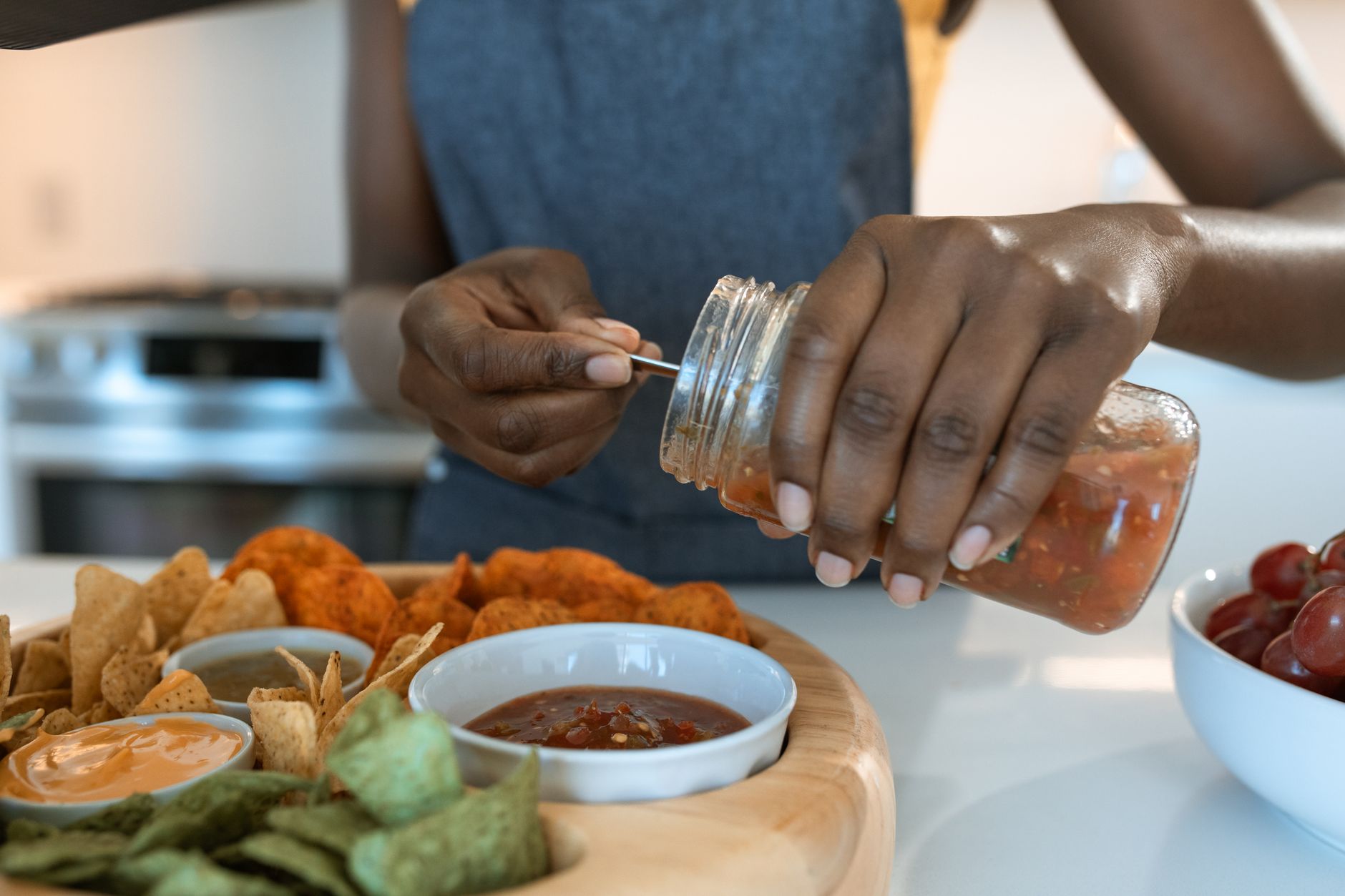
Salsa is a vibrant and flavorful condiment that enhances a variety of dishes, from tacos to chips. Understanding the shelf life and storage of salsa, particularly when stored in the fridge, is essential for food safety and taste. This article delves into whether salsa goes bad in the fridge, how to identify spoilage, and best practices for storage.
Whether you’ve made a fresh batch at home or opened a store-bought jar, knowing how long salsa lasts and how to keep it fresh can save you from tossing out spoiled food. Here, we’ll cover all aspects of salsa storage to ensure you enjoy every last drop!
Does Salsa Go Bad in the Fridge?
Yes, salsa can go bad in the fridge, but it has varying shelf lives depending on whether it’s homemade or store-bought. Generally, homemade salsa may last about 4 to 7 days, while unopened store-bought salsa can last for several months past its expiration date when refrigerated. Once opened, store-bought salsa typically lasts about 1 to 2 weeks.
Understanding Salsa Types
To grasp salsa’s longevity, it’s crucial to understand the types of salsa available. Broadly speaking, there are three primary types: fresh salsa (also known as pico de gallo), cooked salsa, and jarred salsa. Each type has different shelf lives based on its ingredients and preparation methods.
Fresh Salsa
Fresh salsa is made with raw ingredients, often including tomatoes, onions, cilantro, lime juice, and jalapeños. Due to the lack of preservatives, fresh salsa has the shortest shelf life and should be consumed quickly.
Cooked Salsa
This type is prepared by cooking tomatoes and other ingredients to enhance flavors. Cooking can slightly increase its shelf life compared to fresh salsa but is still best used within 1 to 2 weeks when stored in the fridge.
Jarred Salsa
Jarred salsa, often found in grocery stores, contains preservatives and is pasteurized, which gives it a much longer shelf life—up to a year when unopened. Once opened, it lasts 1 to 2 weeks in the fridge.
Factors Affecting Shelf Life
Several factors affect how long salsa lasts in the fridge, including ingredients, storage methods, and handling practices. Understanding these can help you extend the life of your salsa.
Ingredients
The primary ingredients in your salsa play a significant role in its longevity. Fresh produce has a shorter shelf life than canned goods or jarred ingredients. Additionally, ingredients like vinegar or lemon juice can act as preservatives and lengthen storage time.
Storage Methods
Proper storage is essential for maintaining salsa quality. Always keep salsa in an airtight container to prevent exposure to air and moisture, which can lead to spoilage. Glass jars or plastic containers with tight seals work well.
Handling Practices
How salsa is handled impacts its shelf life. Use clean utensils to serve salsa to avoid introducing bacteria. Always reseal containers immediately after use and store salsa away from temperature fluctuations, such as near the refrigerator door.
Signs Salsa Has Gone Bad
Knowing how to identify spoilage in salsa can prevent you from consuming something unsafe. Here are the common signs to look out for:
Smell
If salsa has a sour, off, or rancid smell, it’s best to discard it. Fresh salsa should have a bright, zesty aroma.
Appearance
Look for any discoloration, mold, or separation of liquid. Mold can appear as fuzzy spots or a film on the surface, indicating spoilage.
Texture
A change in texture, such as excessive watery consistency or clumping, is also a sign that your salsa has gone bad. Fresh salsa should be chunky but still maintain a cohesive texture.
Taste
If the salsa passes the visual and smell tests but tastes off or fermented, it’s safer to discard it. Always trust your palate when determining if food is safe.
How to Store Salsa Properly
Proper storage techniques are key to maximizing the longevity of salsa, whether homemade or store-bought.
Refrigerating Homemade Salsa
- Transfer salsa to a clean, airtight container immediately after preparation.
- Store it in the refrigerator, ideally on a shelf rather than the door.
- Label the container with the date of preparation to keep track of its freshness.
Storing Store-Bought Salsa
- Once opened, make sure to securely seal the jar or transfer the contents to a clean container.
- Refrigerate right away, avoiding temperature fluctuation by keeping it towards the back of the fridge.
- Check the expiration date and consume within 1 to 2 weeks after opening.
Freezing Salsa: Is It an Option?
Freezing salsa is possible and can extend its life substantially. However, freezing can change the texture due to the water content in fresh ingredients.
How to Freeze Salsa
- Choose a freezer-safe container or a heavy-duty freezer bag.
- Allow the salsa to cool to room temperature before freezing.
- Leave some space in the container as salsa will expand when frozen.
- Label the container with the date before placing it in the freezer.
Thawing Frozen Salsa
To thaw frozen salsa, move it to the refrigerator overnight. Use it within a few days and consider cooking it into dishes where texture is less of a concern, like soups or stews.
Practical Tips for Using Salsa
Once you’ve confirmed your salsa is safe to eat, there are numerous ways to enjoy it beyond typical serving methods.
Dipping and Scooping
Salsa is a classic dip for tortilla chips, but it can also accompany nachos, quesadillas, or even baked goods like bread or crackers.
Cooking Ingredient
Use salsa as a flavor booster by mixing it into rice, beans, or even scrambled eggs. It can add a zesty pop to any savory dish.
Dressings and Marinades
Try incorporating salsa into your dressings or marinades. Mixing it with olive oil or vinegar makes an excellent dressing that brightens salads and grilled meats.
Recipes to Try with Salsa
While salsa is perfect on its own, it pairs well with various dishes. Consider these recipes:
Conclusion
Salsa is a versatile and vibrant addition to any meal, but its longevity depends on proper storage and handling. By being mindful of its shelf life and recognizing signs of spoilage, you can enjoy salsa safely for longer. Consider freezing any excess for future use, adding flair to your dishes along the way.
Explore more recipes and storage tips to enhance your culinary skills and ensure food safety. For exciting salsa ideas, check out our habanero salsa recipe and our chili salsa recipe.