
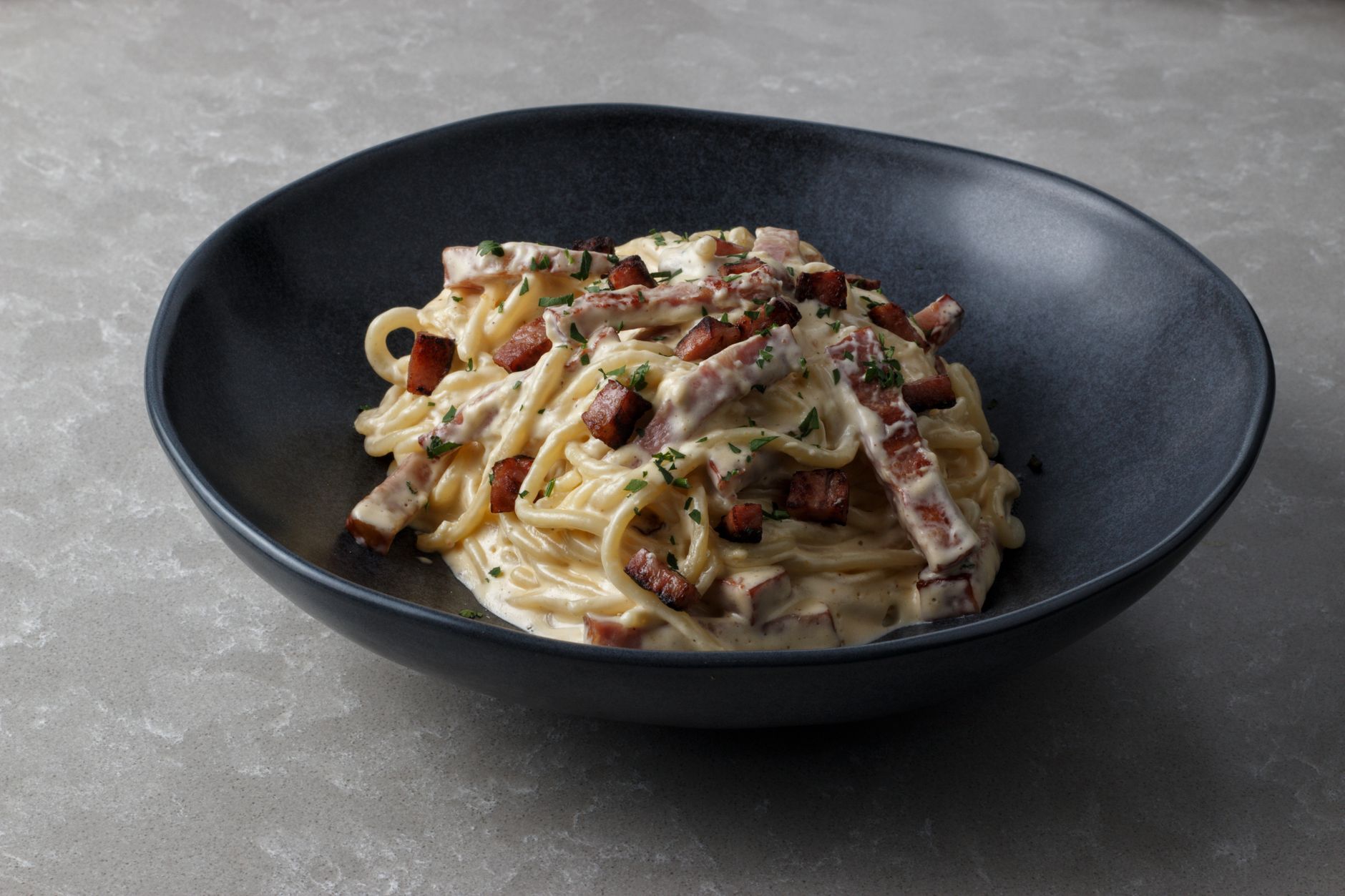
Carbonara is a beloved Italian dish known for its rich, creamy sauce and distinctive flavors. Originating from Rome, this pasta dish combines a few simple ingredients to create a taste experience that is both indulgent and satisfying. In this article, we will explore what carbonara truly tastes like, its flavor profile, texture, and possible pairings.
Understanding carbonara can enhance your appreciation for this classic recipe. Whether you are a seasoned cook or someone new to Italian cuisine, knowing the nuances of carbonara will help you recreate it authentically or modify it to your preferences. Let’s delve into the intricate flavors, textures, and culinary pairings that define carbonara.
What Does Carbonara Taste Like?
Carbonara primarily has a rich, creamy, and savory taste. The combination of eggs, cheese (usually Pecorino Romano), and cured pork creates a depth of flavor that is both comforting and luxurious. The dish’s unique essence comes from the smoky, salty notes of the guanciale or pancetta, which balance the richness of the sauce. When you twirl the pasta, you’ll notice a smooth, silky texture that complements the subtle bite from black pepper, enhancing the overall experience.
The Flavor Profile of Carbonara
The flavor profile of carbonara can be broken down into several key components:
- Saltiness: The guanciale or pancetta provides a salty base, which is essential for flavor. This saltiness is balanced against the creaminess of the sauce.
- Umami: Carbonara is rich in umami, thanks to the cured pork and the cheese. This savory taste enhances the dish’s overall appeal.
- Richness: The blend of eggs and cheese creates a creamy sauce that envelops each strand of pasta, adding unparalleled richness.
- Smokiness: The use of guanciale imparts a slight smokiness that further deepens the flavor and contrasts beautifully with the other components.
- Seasoning: Freshly cracked black pepper adds a layer of spice and warmth, enhancing the overall profile without overpowering other flavors.
Texture of Carbonara
The texture of carbonara is one of its most appealing aspects. It features a creamy, velvety sauce that clings to the pasta perfectly.
- Pasta: The pasta is usually al dente, providing a slight chewiness that contrasts nicely with the sauce.
- Sauce: The sauce should be smooth and glossy, created by emulsifying the egg mixture with the rendered fat from the guanciale and pasta water.
- Meat: The guanciale adds a tender yet crispy texture, giving additional layers when mixed with the sauce.
Creating the Perfect Carbonara
While carbonara is traditionally made with limited ingredients, the careful selection and preparation of each component can significantly influence the final flavor and texture.
Essential Ingredients for Authentic Carbonara
A classic carbonara consists of just a few key ingredients. Here’s what you will typically need:
- Pasta: Spaghetti, fettuccine, or bucatini are popular choices.
- Guanciale: This is an Italian cured meat made from pork cheek. If unavailable, pancetta can serve as a substitute, though guanciale offers a superior flavor.
- Eggs: Large eggs or a combination of whole eggs and egg yolks provide richness to the sauce.
- Pecorino Romano: A hard Italian cheese that adds saltiness and a nutty profile. Parmigiano-Reggiano can be used as an alternative, providing a milder flavor.
- Black Pepper: Freshly cracked, it adds warmth and enhances the savory notes of the dish.
Cooking Technique
The way you prepare carbonara is crucial to achieving its signature flavor and texture. Here’s a step-by-step method for creating classic carbonara:
- Boil Pasta: Start by boiling a large pot of salted water. Cook the pasta until al dente, reserving some pasta water for later use.
- Cook Guanciale: In a large skillet, cook the guanciale on medium heat until it becomes crispy and the fat renders out. Do not discard the rendered fat.
- Mix Eggs and Cheese: In a bowl, whisk together the eggs and grated Pecorino Romano. Add plenty of black pepper.
- Combine: Drain the pasta, reserving about a cup of pasta water, and add the hot pasta to the skillet with the guanciale. Remove from heat.
- Form Sauce: Quickly toss the pasta with the egg mixture, adding reserved pasta water as needed to create a creamy sauce. The residual heat will gently cook the eggs.
- Adjust Consistency: Keep adding pasta water until you reach the desired creamy consistency.
- Serve: Plate the carbonara immediately, garnishing with additional grated cheese and freshly cracked black pepper.
Common Mistakes to Avoid
A few common pitfalls can prevent your carbonara from reaching its full potential. Here are some things to watch out for:
- Overcooking the eggs: If the eggs are cooked too long, they will scramble rather than forming a creamy emulsion.
- Not using enough pasta water: This is essential for adjusting the sauce’s consistency. Add it gradually to avoid making it too watery.
- Using pre-grated cheese: Freshly grated cheese melts better and offers superior flavor, making a distinct difference in the final dish.
- Not properly seasoning: Taste and adjust the salt level throughout the process to ensure balanced flavors.
Serving Suggestions and Pairings
- Wine: A crisp white wine, such as Pinot Grigio or a light red such as Chianti, offers a refreshing contrast to the richness of carbonara.
- Salads: A light arugula salad or a simple mixed green salad can provide a refreshing crunch and balance the dish’s heaviness.
- Fresh Herbs: A sprinkle of fresh parsley or basil can add brightness and a touch of color to the plate.
- Bread: A crusty Italian bread can be served on the side to soak up the delicious sauce.
Variations of Carbonara
While traditional carbonara has its charm, various adaptations and variations allow for creativity in the kitchen. Here are a few popular versions:
- Mushroom Carbonara: Replace guanciale with sautéed mushrooms for a vegetarian version. The mushrooms add umami and flavor depth.
- Seafood Carbonara: Add shrimp or scallops for a seafood twist. The sweetness of seafood can complement the richness of the sauce.
- Vegetarian Carbonara: Use smoked tofu or tempeh to replace the pork. This gives a smoky flavor while keeping it meat-free.
- Cheesy Carbonara: Mix in Fontina or Gruyère cheese for a creamier texture and enhanced flavor profile.
Make-Ahead Tips
If you want to prepare carbonara in advance, it’s important to note that the sauce should be made fresh and combined just before serving. However, you can take steps to streamline the process:
- Prep Ingredients: Chop the guanciale and grate the cheese ahead of time. Keep them in the refrigerator until you are ready to cook.
- Cook Pasta: Prepare the pasta ahead and toss it with a little olive oil to prevent it from sticking. Reheat it in boiling water before combining with the sauce.
- Timing: Cook the carbonara right before serving to maintain the sauce’s creamy consistency.
Storage and Reheating
If you have leftover carbonara, here’s how to store and reheat it properly:
- Storage: Place leftover carbonara in an airtight container and refrigerate for up to three days.
- Reheating: Reheat gently on the stove over low heat, adding a bit of extra pasta water or olive oil to bring back the creaminess.
Carbonara is a dish that boasts a wonderful combination of flavor and texture. Its creamy sauce, combined with the smoky guanciale and sharp cheese, creates a delightful culinary experience. Whether you choose to stick to tradition or experiment with variations, understanding the taste and preparation of carbonara ensures a sublime meal each time.
Explore more delicious recipes and cooking inspiration by checking out our Steak Alfredo recipe or indulge yourself in a unique Philly Cheesesteak Pasta dish. Each offers a satisfying twist on classic flavors and techniques.