
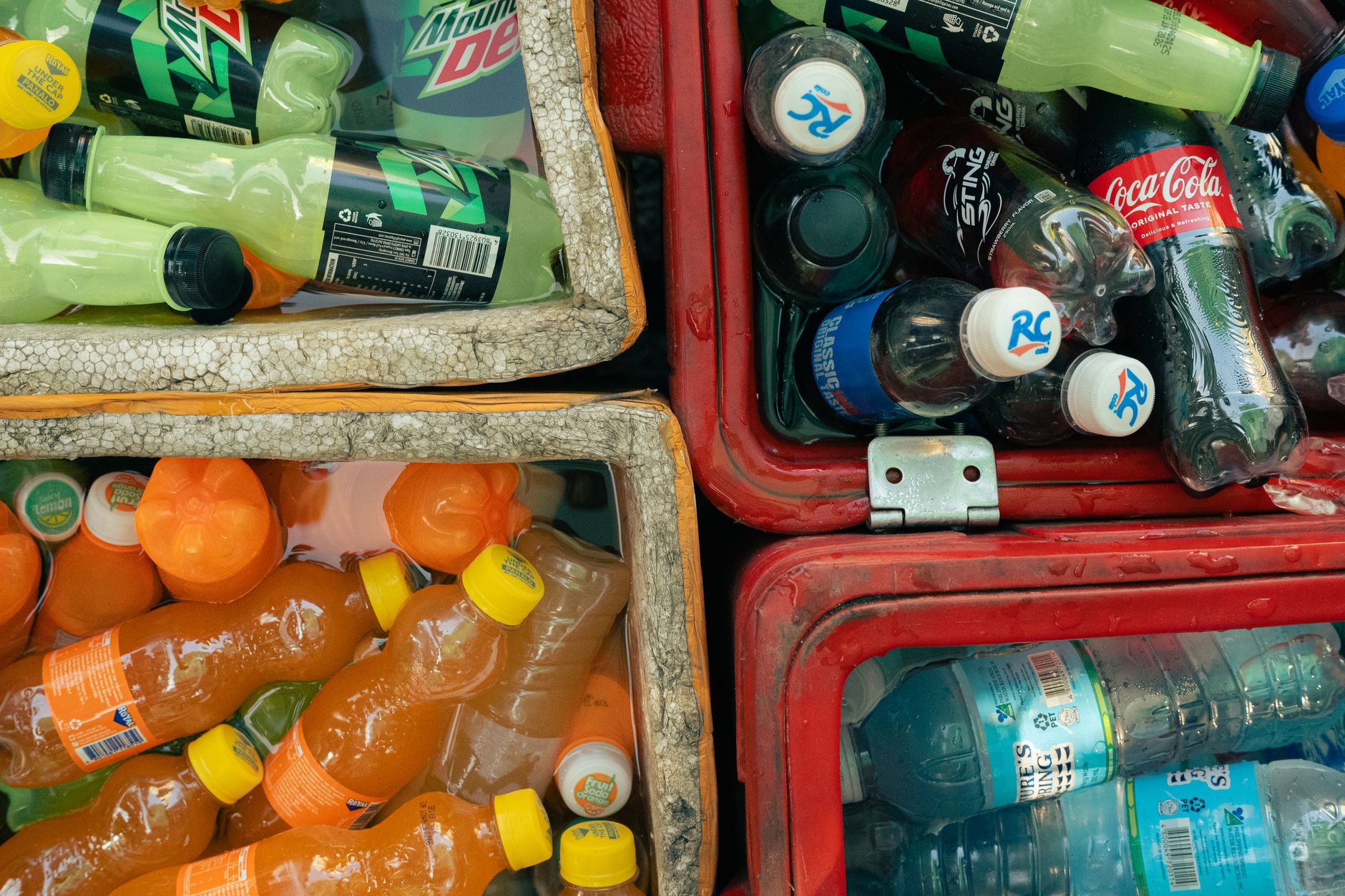
Mountain Dew, often recognized for its vibrant green color and intense citrus flavor, has a rich history that traces back to the Appalachian region of the United States. Its origins reveal a fascinating story about a simple beverage that transformed into a cultural icon over the decades.
The journey of Mountain Dew begins in the 1940s with Barney and Ally Hartman, two beverage bottlers from Tennessee. Initially created as a mixer for whiskey, this drink has evolved dramatically since those early days into one of the most popular soft drinks in America.
Where Is Mountain Dew From?
Mountain Dew is from the United States, specifically originating in the Appalachian region. It was initially created in the 1940s by two beverage bottlers in Tennessee, and has grown into a widely consumed soft drink sold across the globe.
The Birth of Mountain Dew
Mountain Dew was originally conceived not as a standalone beverage, but rather as a mixer for hard liquor. Barney and Ally Hartman, the creators, used a unique formula aimed at enhancing the flavor of whiskey. In fact, the name “Mountain Dew” was a colloquial term for homemade moonshine in the Scots-Irish culture, which hints at the drink’s original purpose.
The first version of Mountain Dew was a clear lemon-lime soda. It wasn’t until 1961 that the formula was altered to produce the signature citrus taste we recognize today. This was a significant turning point for the beverage, propelling it into the soft drink market.
Ownership Changes and Expansion
In 1961, the Mountain Dew brand was purchased by the Tip Corporation, which reformulated the drink. By the late 1960s, it caught the attention of the Pepsi-Cola Company, which acquired Mountain Dew in 1968. Under Pepsi’s ownership, the brand saw an unprecedented marketing expansion.
Pepsi’s aggressive marketing strategy played a key role in positioning Mountain Dew as a youthful, adventurous beverage. This branding effort was tailored to resonate with a younger demographic, emphasizing extreme sports and an active lifestyle.
Cultural Impact and Popularity
Mountain Dew’s quirky and energetic branding has helped it cultivate a loyal following. The drink has become deeply associated with various subcultures, from skateboarders to gamers. Its custom flavors and limited edition launches have captured the interest of fans, creating a sense of excitement around the brand.
Over the years, Mountain Dew has introduced numerous flavor variations, including Code Red (a cherry-flavored variant), Voltage (which contains a burst of raspberry), and a host of others in seasonal or limited editions. The brand continually engages its customer base with promotions and contests, further strengthening fan loyalty.
Mountain Dew Ingredients and Variations
The original Mountain Dew formula primarily includes carbonated water, high fructose corn syrup, citric acid, natural flavors, caffeine, sodium benzoate, and yellow 5. Its sweet and tangy profile is a hallmark of many citrus-flavored sodas.
While the classic flavor remains the cornerstone of the brand, the variety of flavors available showcases a range of profiles:
- Code Red – A cherry-flavored version that is immensely popular.
- Live Wire – An orange-flavored variant that debuted in the early 2000s.
- Voltage – A mix of raspberry and ginseng that gained traction in the market.
- White Out – A smooth citrus, somewhat similar to a lemon-lime soda.
- Pitch Black – A dark grape-flavored soda, released as a limited edition.
Mountain Dew in the Culinary World
Beyond being a refreshing beverage, Mountain Dew has made its way into several recipes and cooking methods. Its bold flavor profile and sweetness lend themselves to creative culinary uses. Here are some interesting applications:
Marinades and Glazes
Mountain Dew can be an exciting base for marinades and glazes, particularly for meats. The acidity from the soda can help tenderize proteins while infusing a unique citrus flavor. Below is a simple marinade recipe suitable for chicken or pork:
- Combine one cup of Mountain Dew, a quarter cup of soy sauce, and two tablespoons of your favorite hot sauce in a bowl.
- Marinate your protein in the mix for at least two hours, or overnight for more flavor.
- Grill or bake the marinated protein until cooked through, and enjoy the sweet and tangy flavor it imparts.
Cocktails and Mocktails
Mountain Dew serves as a fun mixer for cocktails and mocktails. Its bright flavor pairs well with a variety of spirits. Here’s a festive, non-alcoholic drink to consider:
- 1 cup of Mountain Dew
- 1/2 cup of pineapple juice
- 1/4 cup of orange juice
- Ice and a slice of fresh orange for garnish
Mix the ingredients, serve over ice, and garnish for a refreshing drink that’s great for parties.
Desserts
Surprisingly, Mountain Dew can be incorporated into desserts, adding moisture and flavor to cakes and cupcakes. An example recipe feature is Mountain Dew cupcakes:
- Preheat your oven to 350°F (175°C) and prepare a cupcake tin with liners.
- In a large mixing bowl, combine 2 cups of all-purpose flour, 1 ½ cups of sugar, 2 teaspoons of baking powder, and 1 teaspoon of salt.
- Add 1 cup of Mountain Dew, 1/2 cup of vegetable oil, and 3 eggs. Mix until smooth.
- Pour the batter into cupcake liners, filling them about 2/3 full.
- Bake for 18-20 minutes, or until a toothpick inserted in the center comes out clean.
Health and Nutrition Considerations
Like many soft drinks, Mountain Dew contains a significant amount of sugar and caffeine. A 12-ounce (355ml) serving usually offers around 46 grams of sugar and 54 milligrams of caffeine. Regular consumption of high-sugar beverages can contribute to various health issues, including obesity and type 2 diabetes.
It’s important to consume Mountain Dew and similar soft drinks in moderation. Consider reducing intake by opting for smaller serving sizes, diluting with water, or balancing it with healthier beverages.
Mountain Dew Around the World
While Mountain Dew is predominantly a North American phenomenon, it has made its way into several international markets, each with potential flavor adaptations. In some locations, variants not found in the U.S. have emerged to cater to regional preferences.
In Latin America, for example, there exists a variant made with more natural sweeteners, aiming to attract health-conscious consumers. Similarly, some Asian markets offer additional flavors that appeal to local tastes, thanks to the brand’s flexibility and willingness to innovate.
The Future of Mountain Dew
Mountain Dew continues to thrive as consumer preferences evolve. The brand has been proactive in introducing new flavors and limited editions, responding to trends within the beverage industry. With rising awareness about health concerns, Mountain Dew has also ventured into low-calorie and zero-sugar offerings while maintaining their bold flavor.
Collaborative marketing efforts, including partnerships with popular video games and extreme sports events, keep the brand relevant. As a beverage that symbolizes energy and excitement, Mountain Dew is likely to retain its place as a staple in the American soft drink market.
Conclusion
Mountain Dew’s unique history, from a local Appalachian mixer to a globally recognized refreshment, showcases the power of branding and cultural relevance. Its versatility beyond a mere soft drink into marinades, cocktails, and desserts demonstrates how creativity can enhance its appeal. For those looking to explore ways to incorporate this vibrant drink into their everyday cooking, the possibilities are endless.
Explore more culinary inspirations, cooking tips, or food guides to enhance your kitchen adventures!