
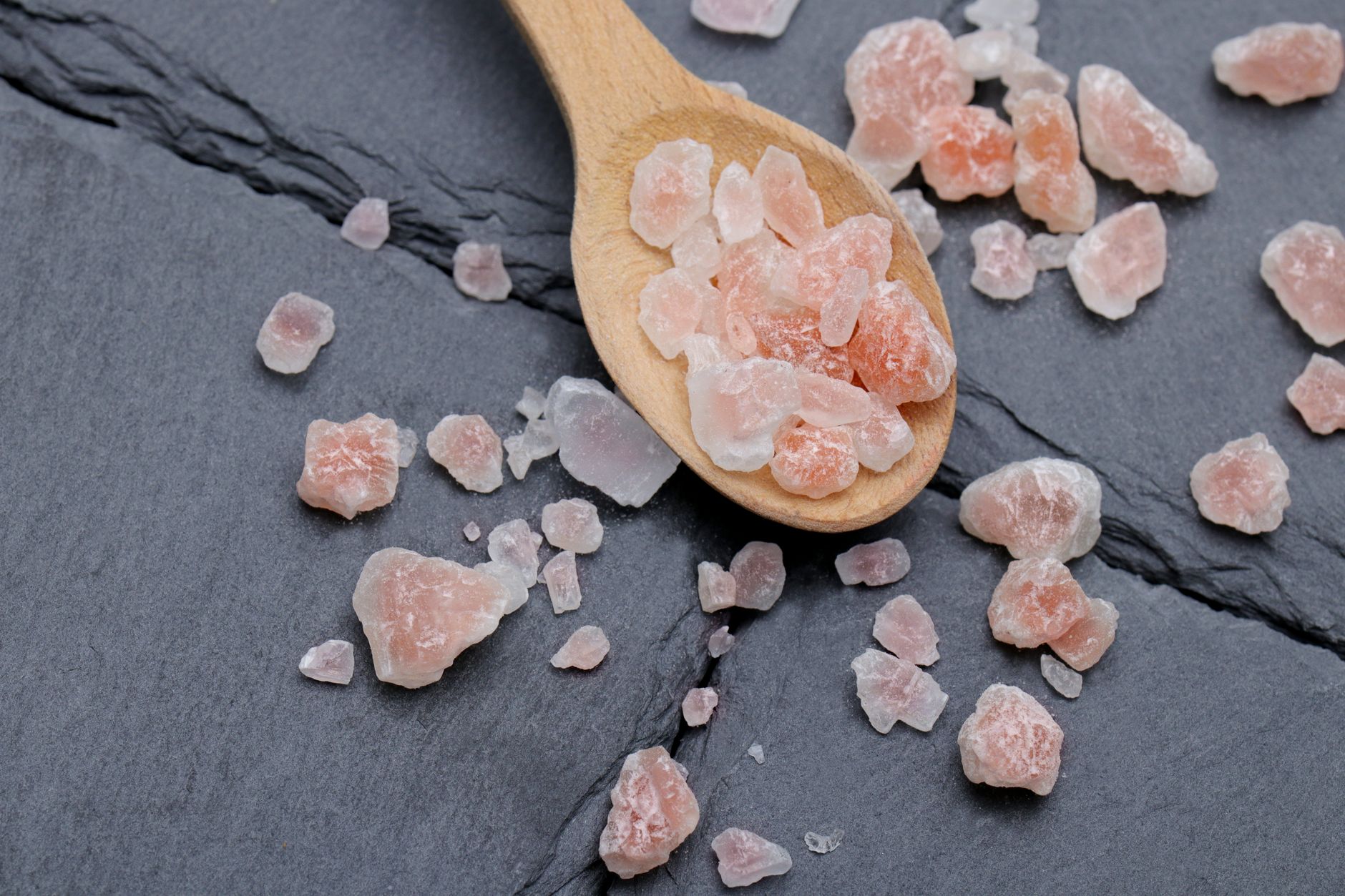
Cooking salt, a fundamental ingredient in kitchens worldwide, plays a crucial role in enhancing flavors and preserving food. Understanding what cooking salt is, its various types, uses, and the best practices for storing and utilizing it can elevate your culinary skills. This guide serves as an in-depth resource for anyone looking to master the art of seasoning with salt.
This detailed exploration of cooking salt aims to provide you with practical tips on preparation, cooking, serving, and even ingredient substitutions. Whether you’re a novice in the kitchen or a seasoned home cook, you’ll find useful insights and advice that can enhance your cooking experience.
What Is Cooking Salt?
Cooking salt, commonly referred to as table salt or seasoning salt, is a mineral composed primarily of sodium chloride (NaCl). It is an essential seasoning that enhances flavor and is integral to both cooking and food preservation. While many are familiar with its use in everyday meals, the variety of salts available can influence both culinary experiences and outcomes.
There are several types of cooking salts available, each with unique characteristics and applications in the culinary world. Understanding these differences is key to using salt effectively in your cooking.
Types of Cooking Salt
Here’s a rundown of the most common types of cooking salt and their characteristics:
- Table Salt: This is the most commonly used salt in households. It is finely ground, often iodized, and has a strong flavor due to its small granules, making it highly soluble in water.
- Sea Salt: Harvested from evaporated seawater, sea salt retains trace minerals, giving it a unique flavor and texture. It is available in fine and coarse varieties.
- Kosher Salt: Known for its larger crystals, kosher salt is favored by chefs for its ease of handling and ability to adhere to food. It is less salty than table salt, making it a popular choice for seasoning before and during cooking.
- Himalayan Pink Salt: This mineral-rich salt is harvested from ancient sea salt deposits in the Himalayan mountains. Its distinctive pink color comes from iron oxide and it can be used in various cooking applications, including grilling and serving.
- Flaky Sea Salt: This type of salt, such as Maldon, has a light, flaky texture that dissolves quickly and adds a finishing touch to dishes.
- Smoked Salt: Infused with smoky flavors, this salt can enhance the taste of grilled meats and vegetables. It’s often used as a finishing salt.
Uses of Cooking Salt
Cooking salt serves various essential purposes in the kitchen:
1. Flavor Enhancement
Salt enhances the overall flavor of food. It is a flavor enhancer that balances sweetness and can even reduce bitterness. When you season food properly with salt, it allows the natural flavors to shine through, creating a more enjoyable dish.
2. Texture Improvement
Salt can improve texture in different food applications. For example, in baking, it strengthens gluten formation in bread. When used in brining, salt helps meat retain moisture, resulting in a juicier finished product.
3. Preservation
One of the earliest methods of preserving food was by salting. Salt draws moisture out of foods, inhibiting the growth of bacteria. It is widely used in pickling and curing processes for meats and vegetables.
4. Cooking and Baking
Salt plays a critical role in many cooking methods and recipes. It helps in the proper flavoring of pasta water, contributes to the Maillard reaction in roasting and baking, and balances flavors in soups and sauces.
5. Finishing Touch
Many chefs use finishing salts, such as flaky sea salt, to provide a pop of flavor and a pleasant crunch. These salts are often sprinkled on dishes right before serving.
Tips for Using Cooking Salt
When it comes to using salt effectively, here are some essential tips:
1. Seasoning Gradually
Start with a small amount of salt when seasoning, especially if you’re unsure of the dish’s final flavor. You can always add more, but you can’t remove it once it’s in.
2. Taste as You Go
Regularly tasting food while cooking ensures that you achieve the desired flavor profile. This is particularly important when working with complex dishes where flavors build progressively.
3. Mind the Cooking Method
The cooking method can affect how salt behaves. Dishes that are boiled or simmered may require more salt than those that are grilled or roasted due to the evaporation of liquid.
4. Use Appropriate Salt Ratios
Different types of salt have varying levels of salinity. For example, kosher salt is less salty than table salt, so if you’re substituting, adjust the quantities accordingly. A general rule is to use more kosher salt than table salt for the same level of seasoning.
5. Don’t Forget About Other Flavors
While salt enhances flavors, do not rely on it solely. Incorporate herbs, spices, acids (like vinegar or citrus), and aromatics to create well-rounded dishes.
Common Mistakes When Using Salt
Many novice cooks make similar mistakes when it comes to using salt. Here are some common pitfalls to avoid:
1. Underestimating Salt’s Power
Salt is potent. Over-salting can ruin a dish. Start with less and build up gradually, tasting along the way.
2. Incorrect Timing for Salt Addition
Adding salt too early or too late in the cooking process may impact flavor and texture. Ideally, you should season meats before cooking and add salt to sauces as they simmer.
3. Not Adjusting for Glycosylated Ingredients
Certain ingredients like sauces, pickles, and stocks may already contain salt. Be sure to adjust your seasoning accordingly to avoid overwhelming your dish.
Cooking and Serving Tips
Incorporating salt into your cooking involves not just seasoning but also an understanding of how to maximize its impact when serving your food. Here are some tips:
1. Use Salt in Cooking Water
When boiling pasta or vegetables, salt the water generously. This is essential for properly flavoring the food as it cooks.
2. Create Brines and Marinades
Making a simple brine can significantly enhance the flavor and moisture of meats. Combine water with sugar and salt, allow it to dissolve, and soak your protein for optimal results.
3. Experiment with Salting Techniques
Try different salting techniques such as dry brining for meats or salting eggplant to draw out bitterness before cooking. Each technique has its own benefits and effects on flavor.
4. Finish with Salt
Right before serving, sprinkle flaky or finishing salt on top of your dish to offer a satisfying textural contrast and flavor punch.
5. Pair Salt with Other Seasonings
Combine salt with other seasonings like herbs, spices, and citrus zest. This combination can add depth and complexity to your dishes.
Storing Cooking Salt
Proper storage ensures your cooking salt maintains its quality over time. Consider the following tips for storage:
1. Keep It Dry
Moisture is the enemy of salt. Store it in a cool, dry place in an airtight container to prevent clumping and maintain its effectiveness.
2. Use Bulk Salt Wisely
If you buy salt in bulk, be sure to store it in a way that prevents exposure to humidity. An airtight jar or container is ideal.
3. Label Salt Types
If you have various types of salt, label each container. This prevents confusion and helps you easily find the right salt for your cooking needs.
4. Keep Away from Strong Odors
Salt can absorb strong odors. Store it away from spices, herbs, and other potent ingredients to maintain its original flavor.
Common Salt Substitutions
Sometimes you may find yourself without the specific type of salt called for in a recipe. Here are some reliable substitutes:
- Diamond Crystal Kosher Salt: Can replace table salt in equal measure due to its similarity in saltiness levels.
- Sea Salt: Use an equal amount of sea salt for table salt, adjusting based on the crystal size.
- Himalayan Pink Salt: Substitute directly for table salt, but keep in mind that it may add a different trace mineral flavor.
- Low-Sodium Salt: This can be used in the same quantity as table salt, but it won’t provide the same saltiness, so taste adjustments may be needed.
- Brines or Marinades: If a recipe calls for salted meat, consider marinating in a flavorful liquid instead.
Conclusion
Understanding cooking salt and its various applications is key to enhancing your culinary skills. It plays an integral role not only in flavoring food but also in preserving and improving texture. By learning about the different types of salt, their uses, and best practices in the kitchen, you can elevate your cooking experience.
Explore more delicious recipes and cooking techniques such as salt potatoes or lemon pepper seasoning to enhance your culinary repertoire.