
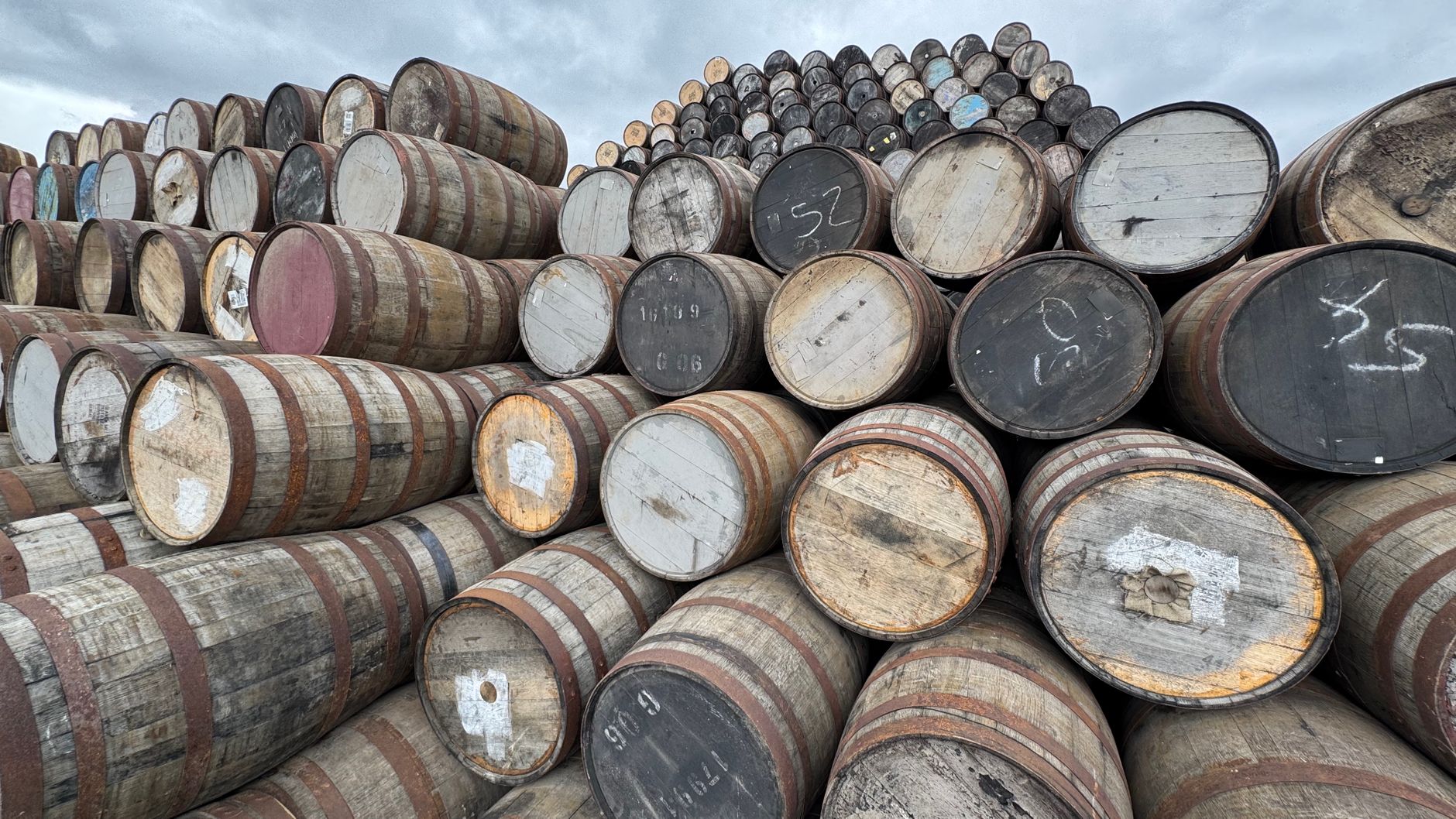
Bourbon, a beloved American spirit, holds a significant place in the world of distilled drinks. Its unique flavor profile and rich history make it a staple in cocktails and a favorite for sipping neat. Understanding how bourbon is made provides insight into its distinct characteristics and why it is revered by connoisseurs.
This article will guide you through the essential ingredients, the method of production, and tips on serving bourbon to enhance your enjoyment. Whether you’re a bourbon aficionado or just starting to explore this spirited drink, knowing how it’s crafted will deepen your appreciation.
How Is Bourbon Made?
Bourbon is typically made through a specific process involving selected grains, fermentation, distillation, and aging in charred oak barrels. Its unique profile arises from the combination of ingredients and these meticulous methods. Let’s delve deeper into each critical aspect of bourbon production.
The Ingredients of Bourbon
The foundation of bourbon lies in its ingredients. While there are many variations, traditional bourbon is made using a mixture of grains, yeast, and water. The main elements are:
- Grains: Bourbon must contain a mash bill of at least 51% corn. The other grains can include rye, barley, and wheat, contributing various flavors to the final product.
- Water: Pure water is essential for both the mashing and dilution processes. The water source can influence the bourbon’s flavor.
- Yeast: Yeast is crucial for fermentation, converting sugars from the grains into alcohol. Different yeast strains can impart unique flavors during this process.
The Bourbon-Making Process
The journey of bourbon from grain to glass encompasses several critical steps: mashing, fermentation, distillation, aging, and bottling. Each step is vital in developing the bourbon’s flavor and character.
Mashing
The process starts with mashing, where the grains are ground into a coarse powder and mixed with warm water. This mixture, known as the mash, is then heated to activate enzymes in the grains.
- Measure and Grind: The selected grains are measured and ground to create a mash bill. Common combinations include 70% corn, 15% rye, and 15% malted barley.
- Heat Water: Water is heated, usually between 150°F to 160°F (65°C to 71°C), and mixed with the ground grains.
- Resting: The mash is allowed to rest for one to two hours, during which enzymes break down starches into fermentable sugars.
Fermentation
After mashing, the sweet liquid known as wort is separated from the grain solids and transferred to fermentation vessels, typically made of wood or stainless steel. Yeast is added to the wort to start fermentation.
- Add Yeast: Yeast strains are carefully selected and introduced into the wort. Each strain can impart unique flavors.
- Fermentation Process: The mixture ferments for about three to five days. Converted sugars produce alcohol, with the alcohol level typically reaching 6% to 10% by volume.
- Creation of the Mash: The resulting mixture, called “mash,” is a bubbling mass that contains alcohol and additional flavor compounds.
Distillation
Once fermentation is complete, the mash is distilled to separate alcohol from the remaining solids and produce a higher alcohol content.
- Transfer to Distillation Apparatus: The fermented mash is carefully poured into a still, which can be a pot still or a column still.
- First Distillation: The still is heated, and alcohol vapors rise and condense back into liquid. The first distillation typically produces “low wines,” with an alcohol content of around 20% to 25%.
- Second Distillation: The low wines undergo a second distillation, which refines the alcohol further and results in clearer and higher-proof alcohol, known as “high wines,” typically around 60% to 70% alcohol by volume.
Aging
The next essential step in bourbon making is aging. To be classified as bourbon, it must be aged in new, charred oak barrels. This aging process contributes significantly to the flavor and character of the bourbon.
- Barrel Selection: New charred oak barrels are specifically used for bourbon aging. The charring process caramelizes the wood inside, adding flavors.
- Filling the Barrel: The distilled spirit is filled into barrels and stored in warehouses for aging. The amount of time it must age is a minimum of two years, although many bourbons age for four years or more.
- Environmental Influence: Temperature fluctuations in the storage environment cause the bourbon to expand and contract in the wood, extracting more flavor compounds.
Bottling
Once the bourbon has reached its desired aging period, it’s time for bottling. Before it goes into the bottle, bourbon can be filtered, blended (if needed), and diluted to achieve the desired proof.
- Filtering: Some distilleries choose to filter their bourbon to remove impurities or unwanted flavors.
- Proofing: Water may be added to reduce the alcohol content to a preferred bottling strength, typically between 40% and 50% alcohol by volume.
- Bottling: The bourbon is then bottled, labeled, and prepared for distribution.
Common Mistakes in Bourbon Production
Like any craft, bourbon-making presents several pitfalls that can affect the final product. Awareness of these common mistakes ensures a better quality spirit:
- Improper temperature and timing during fermentation can lead to off-flavors.
- Using low-quality grains can diminish the richness of the bourbon.
- Inconsistent barrel aging can produce uneven flavors; it’s essential to monitor conditions.
- Ineffective distillation may result in a harsh or unbalanced spirit.
Serving Tips for Bourbon
Once you’ve chosen a bottle of bourbon to enjoy, the way it is served can enhance its flavors and aromas. Below are some practical serving suggestions:
- Neat: For the complete experience, serve bourbon neat in a whiskey glass. This allows you to savor the full array of flavors.
- On the Rocks: Adding ice can slightly dilute bourbon, softening strong flavors. Use one large ice cube for a slower melt.
- Cocktails: Bourbon is a star ingredient in classic cocktails like an Old Fashioned or a Manhattan. Experiment with different mixers and flavors.
Pairing Bourbon with Food
When it comes to food pairings, bourbon can complement a range of dishes due to its complexity. Here are some suggestions:
- Barbecue: The smoky sweetness of bourbon pairs beautifully with grilled meats and barbecued dishes.
- Chocolate: Dark chocolate desserts can enhance the richness of both the food and the bourbon.
- Nuts: While sipping bourbon, enjoy a handful of roasted nuts for a satisfying snack that highlights the spirit’s flavors.
Final Thoughts
Understanding how bourbon is made not only enhances your appreciation for this unique spirit but also opens the door to exploring its complexity and versatility. Whether enjoyed neat, on the rocks, or in a cocktail, bourbon offers a rich tapestry of flavors that reflect its craftsmanship.
For those interested in incorporating bourbon into recipes or cooking, consider trying a bourbon glaze for meats or creating delicious bourbon chicken. Explore more with recipes like bourbon glaze or bourbon chicken for flavorful dishes.