
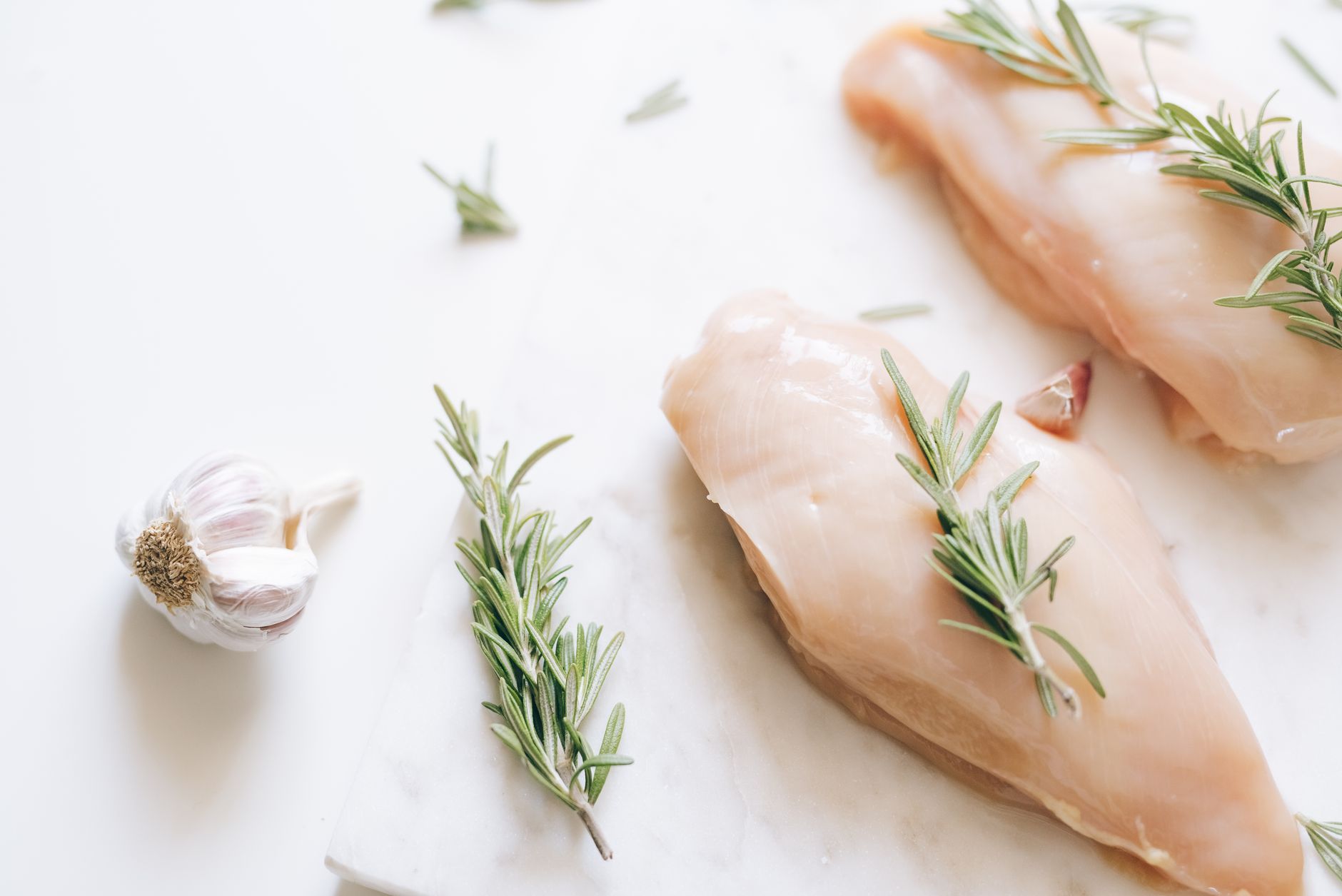
Chicken breast is a popular ingredient in many kitchens, valued for its versatility, lean protein content, and relatively neutral flavor, which allows it to take on a wide range of spices and sauces. One important consideration for those planning meals or tracking dietary intake is understanding how many calories are in this common protein source.
In this article, we’ll explore how many calories are in one pound of chicken breast, the factors that can affect this number, and how you can incorporate chicken breast into balanced meals.
How Many Calories in 1 Pound of Chicken Breast?
One pound of raw, skinless, boneless chicken breast contains approximately 499 calories. This caloric content can vary based on the preparation method and whether the skin is left on, so it’s essential to be mindful of how you prepare it to get an accurate picture of its nutritional value.
Nutritional Breakdown of Chicken Breast
To understand the caloric content better, it’s useful to break down the nutritional components of chicken breast. For every pound, you can typically expect the following basic macro-nutrient distribution:
- Protein: Approximately 92 grams
- Fat: Approximately 10.9 grams
- Carbohydrates: 0 grams
This macro-nutrient profile makes chicken breast an excellent source of high-quality protein while being quite low in fat and devoid of carbohydrates, making it a staple for many dietary preferences, including low-carb and ketogenic diets.
Factors Affecting Caloric Content
Several factors can influence the calorie count of chicken breast, including its cooking method, whether the skin is included, and any added ingredients used during cooking. Below are some details on these influencing factors:
1. Cooking Method
The way chicken breast is cooked significantly affects its caloric content:
- Grilled or baked: Healthy cooking methods like grilling or baking lead to minimal added calories if no additional oils or sauces are used.
- Fried: Frying chicken breast usually involves the addition of oil or batter, which can significantly increase the calorie count. Fried chicken breast can contain 150-200 additional calories, depending on the breading and oil used.
- Boiled or steamed: These methods keep calories low and help retain moisture without additional fat.
2. Skin On vs. Skin Off
Leaving the skin on a chicken breast adds a significant amount of calories due to the fat content in the skin. For example, one pound of skin-on chicken breast generally contains around 684 calories, compared to approximately 499 calories for skinless breast. If you’re looking to lower caloric intake, removing the skin is advisable.
3. Added Ingredients
Marinades, sauces, and seasonings can contribute additional calories. For example, a honey-based marinade may add around 50 calories per serving. Always check ingredient quantities to determine the total caloric content of your dish.
Incorporating Chicken Breast into Your Diet
Given its high protein content and low fat, chicken breast is a great addition to a balanced diet. Here are some practical ways to utilize chicken breast effectively:
Meal Prep with Chicken Breast
Preparing chicken in advance can save time during the week and help with portion control. Here are some meal prep tips:
- Batch cooking: Cook several pounds of chicken at once. Grill, bake, or slow-cook, then portion into servings for easy access throughout the week.
- Container storage: Use airtight containers to store cooked chicken breast in the fridge for up to four days. If properly stored, cooked chicken can also be frozen for up to four months.
Flavoring Chicken Breast
Chicken breast can be flavored in numerous ways, enhancing its taste while still keeping it healthy. Some recommended seasoning strategies include:
- Dry rubs: Create a spice blend using herbs, spices, and salt. Some popular combinations include garlic powder, paprika, onion powder, and black pepper.
- Marinades: Marinades can infuse moisture and flavor. Consider using low-cal alternatives like lemon juice, vinegar, and herbs.
- Cooking sauces: Opt for low-sodium sauces like soy or teriyaki, and measure quantities to control calorie addition.
Creative Chicken Breast Recipes
Here are a few recipe ideas to inspire you in the kitchen, showcasing the versatility of chicken breast:
Grilled Chicken Salad
- Season and grill one pound of chicken breast until it reaches an internal temperature of 165°F.
- Slice the chicken and serve it over bed of mixed greens, cherry tomatoes, cucumbers, and your choice of low-fat dressing.
This dish pairs the lean protein of chicken with the nutrient-dense benefits of salads, offering a filling meal under 500 calories.
Baked Pesto Chicken
- Preheat the oven to 375°F.
- Spread a tablespoon of pesto on each piece of chicken breast.
- Bake for 25-30 minutes until an internal temperature of 165°F is reached.
This flavor-packed dish requires minimal ingredients and yields delicious, juicy chicken with relatively low calories.
Chicken Stir-Fry
- In a skillet, heat a tablespoon of canola oil over medium heat. Add sliced chicken breast and cook until browned.
- Add vegetables such as bell peppers and broccoli. Stir-fry until the veggies are tender and chicken has cooked through.
- Serve with a drizzle of low-sodium soy sauce.
This dish showcases how you can add various vegetables to the lean protein source, providing a satisfying meal that’s nutritious and low in calories.
Common Mistakes and Troubleshooting
Even though chicken breast can be a delicious and healthy addition to meals, certain issues can arise during cooking. Here are some common pitfalls and how to avoid them:
1. Overcooking
Chicken breast is easily overcooked, leading to dry and chewy texture. To ensure juiciness, use a meat thermometer to check that the internal temperature has reached 165°F.
2. Lack of Seasoning
Chicken breast can taste bland if not seasoned properly. Don’t skip the seasoning process. A well-seasoned chicken can make a substantial difference in taste.
3. Improper Storage
When storing cooked chicken, make sure to cool it to room temperature before refrigerating to reduce the growth of bacteria. Cooked chicken should not be left out for more than two hours to prevent foodborne illnesses.
Storage and Reheating Guidelines
To maximize the freshness and safety of chicken breast, pay attention to proper storage and reheating methods:
Storage
Cooked chicken breast can last in the refrigerator for approximately 3-4 days. For longer storage, freezing is recommended, where it can last for 3-4 months. Ensure it is placed in an airtight container or vacuum-sealed to prevent freezer burn.
Reheating
Reheat cooked chicken in the microwave, oven, or stovetop. If using a microwave, do so in short intervals, ensuring that the internal temperature is 165°F. For the oven, preheat to 350°F and heat until warmed through.
Conclusion
Understanding the caloric content of chicken breast is crucial for effective meal planning and dietary choices. With approximately 499 calories per pound of skinless, boneless chicken breast, it offers a rich source of protein that can be easily incorporated into various dishes. Whether you choose to grill, bake, or stir-fry, chicken breast can be a flavorful and nutritious addition to any meal. Consider incorporating different cooking techniques, seasonings, and storage methods into your routine for the best experience with this versatile ingredient.
Explore more ways to use chicken in your meals, like learning about how to freeze cooked chicken or how long cooked chicken lasts to keep your kitchen well managed.