
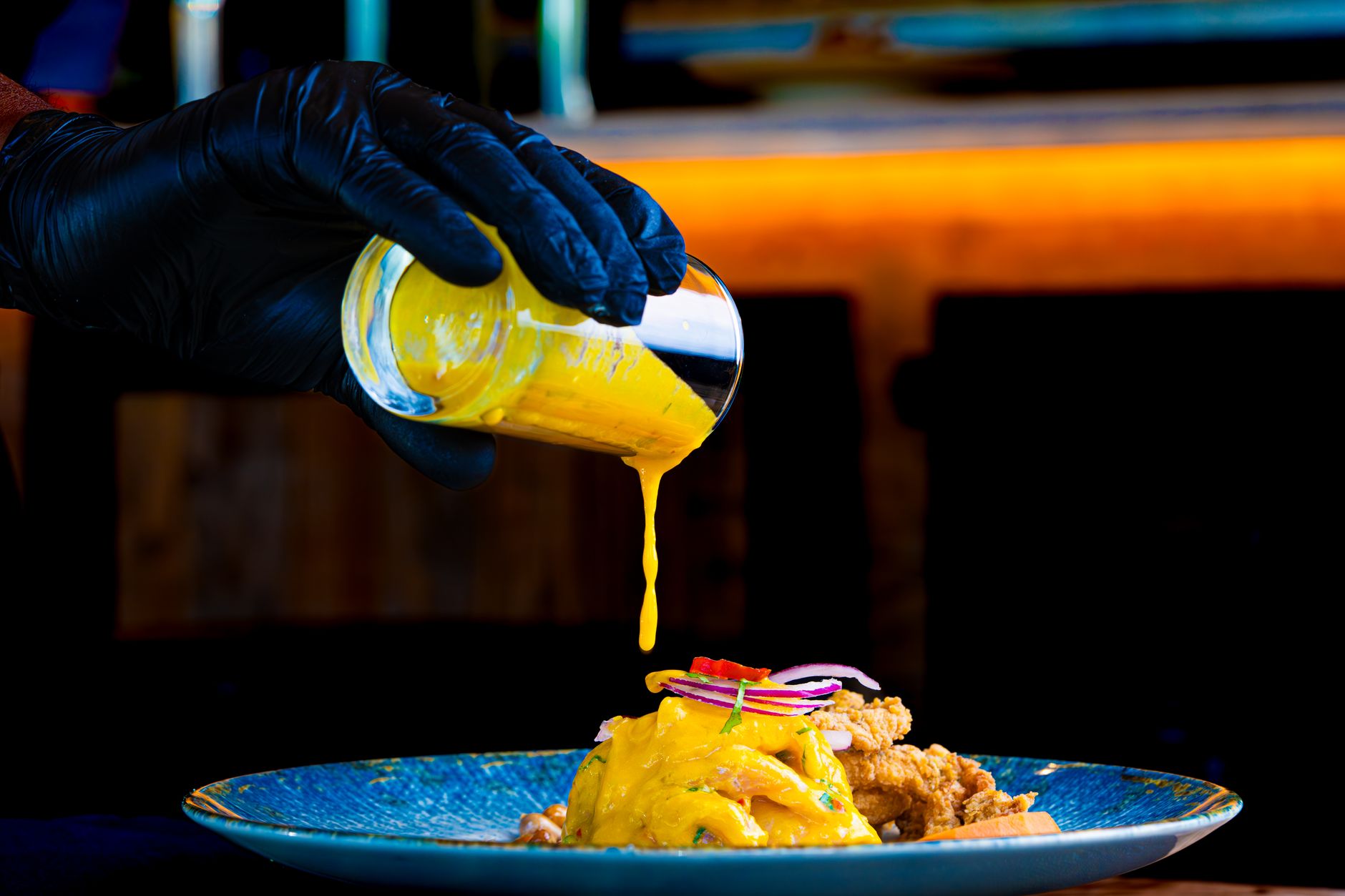
Polynesian sauce, a popular condiment often found in Hawaiian and Asian-inspired dishes, offers a unique flavor that is both sweet and tangy. This vibrant sauce has gained a loyal following for its versatility, making it a staple in many households. In this article, we will explore the taste, texture, and culinary applications of Polynesian sauce, revealing why it has become a favorite among many food lovers.
Understanding the flavor profile of Polynesian sauce can enhance your cooking and meal preparation. Whether you are looking to try a new recipe, enhance an existing dish, or simply learn more about this flavorful sauce, this guide will provide practical insights and helpful tips.
What Does Polynesian Sauce Taste Like?
Polynesian sauce typically features a harmonious blend of sweet and tangy flavors, often achieved through a combination of pineapple, vinegar, and various spices. The sweetness of the pineapple balances out the acidity of the vinegar, creating a well-rounded taste. Many brands and homemade versions may also include other ingredients such as soy sauce, brown sugar, and ginger, adding depth and complexity to the flavor profile. Overall, expect a thick, glossy sauce that coats food beautifully, making it perfect for dipping and glazing.
The Flavor Profile of Polynesian Sauce
The intricate flavor nuances of Polynesian sauce stem from its key ingredients, which can vary depending on the recipe or brand. Let’s break down the primary components that contribute to its unique taste:
- Pineapple: The dominant flavor in most Polynesian sauces, pineapple provides natural sweetness and a tropical essence.
- Vinegar: Usually apple cider or rice vinegar, it imparts the tangy notes that complement the sweetness of pineapple.
- Soy Sauce: Often included in Polynesian sauce, it adds a rich umami flavor that enhances the sauce’s depth.
- Brown Sugar: This ingredient adds additional sweetness and helps thicken the sauce.
- Ginger: Frequently used in smaller quantities, ginger adds a warm, spicy note to the mix.
- Garlic: Sometimes included for its savory flavor, garlic can provide an aromatic quality to the sauce.
- Chili Pepper: For those who enjoy a bit of heat, some recipes incorporate chili pepper or sriracha for a spicy kick.
Texture of Polynesian Sauce
Polynesian sauce typically has a thick and glossy texture that makes it visually appealing and enjoyable to use. Upon pouring, it clings to food without being overly runny, making it perfect for marinades, dressings, and dipping sauces. The sauce’s smooth consistency allows it to coat grilled meats and vegetables effectively, enhancing the overall eating experience.
Culinary Uses of Polynesian Sauce
Polynesian sauce’s versatility means it can be used in various dishes and cooking applications. Here are some popular ways to incorporate it into meals:
Marinade for Meats
One of the most common uses for Polynesian sauce is as a marinade for meats, particularly chicken and pork. The sweet and tangy notes of the sauce help to tenderize the meat while imparting flavor.
- Chicken: Marinating chicken breast or thighs in Polynesian sauce before grilling or baking can create a flavorful dish that pairs well with rice or salad.
- Pork: Similar to chicken, pork is enhanced when marinated in Polynesian sauce, making it ideal for stir-fries or grilled kebabs.
As a Dipping Sauce
Polynesian sauce is an exquisite accompaniment for various appetizers and finger foods. Consider using it as a dip for:
- Spring Rolls: The sauce effectively complements the fresh flavors in spring rolls.
- Chicken Nuggets: Serve Polynesian sauce alongside crispy chicken nuggets for a delightful twist.
- Vegetable Platter: Pairing it with a selection of fresh veggies offers a refreshing contrast in taste.
Glaze for Grilled Foods
Another excellent application for Polynesian sauce is as a glaze for grilled meats. The sauce caramelizes beautifully, creating a tasty outer layer when cooked on the grill.
- Grilled Chicken or Pork: Brush Polynesian sauce onto the meat during the last few minutes of cooking for a shiny, flavorful finish.
- Vegetable Skewers: Toss your favorite vegetables in Polynesian sauce before grilling to add depth to their flavor.
Salad Dressing
Polynesian sauce can also double as an exciting salad dressing, adding sweetness and tanginess to mixed greens and festive salads.
- Mixed Greens: Drizzle over a salad with fresh greens, nuts, and fruits for a refreshing summer dish.
- Fruit Salad: Combine Polynesian sauce with fresh fruit to create a vibrant and tasty fruit salad.
Making Polylonesian Sauce at Home
While many enjoy store-bought Polynesian sauces, making your own at home allows for customization and control over the ingredients. Below, you will find a simple recipe to create your Polynesian sauce.
Ingredients
- 1 cup pineapple juice
- 1/2 cup apple cider vinegar
- 1/2 cup brown sugar
- 1/4 cup soy sauce
- 1 teaspoon garlic powder
- 1 teaspoon ground ginger
- 1 tablespoon cornstarch (optional, for thickening)
- 1 tablespoon water (optional, for cornstarch slurry)
Directions
- In a saucepan, combine pineapple juice, apple cider vinegar, brown sugar, soy sauce, garlic powder, and ground ginger. Stir until the sugar dissolves.
- Heat the mixture over medium heat, allowing it to simmer gently.
- If you prefer a thicker sauce, mix cornstarch and water in a small bowl until smooth; gradually add it to the simmering sauce.
- Continue simmering for about 5-10 minutes until the sauce thickens to your desired consistency.
- Remove from heat and let it cool. Store in an airtight container in the refrigerator for up to two weeks.
Common Substitutions and Variations
If you’re looking to create a homemade Polynesian sauce but are missing an ingredient, several substitutions can maintain the flavor profile:
- Pineapple Juice: Substitute with orange juice or mango juice for a different fruity flavor.
- Apple Cider Vinegar: White vinegar or rice vinegar can work in place of apple cider vinegar, though they might slightly alter the taste.
- Soy Sauce: Use tamari or coconut aminos for a gluten-free option.
- Brown Sugar: White sugar or honey can be utilized in its place, resulting in a sweeter sauce.
Common Mistakes to Avoid When Using Polynesian Sauce
When working with Polynesian sauce, there are some common pitfalls to avoid to ensure optimal flavor and results:
- Overly Cooking the Sauce: Allowing the sauce to simmer too long can lead to an overly thick or sticky texture. Watch closely to maintain its ideal consistency.
- Using Too Much: Although the sauce is flavorful, using excessive amounts can overwhelm your dish. Start with a small amount and adjust to taste.
- Not Balancing with Other Ingredients: Ensure other components in your dishes complement the sauce well to create a harmonious meal rather than a cluttered flavor profile.
Storage and Shelf Life of Polynesian Sauce
Homemade Polynesian sauce can be stored in an airtight container in the refrigerator for up to two weeks. Be sure to check for any signs of spoilage before using. If you find the sauce is too thick after refrigeration, simply stir in a little water to reach your desired consistency.
Serving Suggestions for Polynesian Sauce
As mentioned earlier, the versatility of Polynesian sauce makes it suitable for a variety of dishes. Here are some additional serving suggestions:
- Tacos: Drizzle Polynesian sauce over taco fillings like chicken or shrimp for a tropical twist.
- Rice Bowls: Use as a sauce for rice bowls featuring grilled vegetables and protein.
- Sandwiches: Spread on sandwiches or burgers for added flavor.
Final Thoughts
Polynesian sauce offers a delightful balance of sweet and tangy flavors, making it a versatile addition to many dishes. Whether you use it as a marinade, dipping sauce, or dressing, its unique taste can elevate any meal. Remember to explore variations and substitutions to suit your personal taste preferences, and don’t hesitate to experiment in the kitchen.
For more delicious culinary ideas, consider trying out recipes like Honey Sesame Chicken or a flavorful Pork Marinade. Each brings distinct flavors that further enrich your cooking repertoire.