
Understanding the foods that spike blood sugar is critical for everyone, especially those managing conditions like diabetes or insulin resistance. Blood sugar levels are influenced by the type of food consumed and how quickly those foods are converted to glucose in the bloodstream.
This article explores the various foods that can cause spikes in blood sugar, along with insights on how to create a balanced diet. Knowing which foods to limit can help maintain energy levels and overall health.
What Foods Spike Blood Sugar?
Many foods can spike blood sugar, often categorized by their glycemic index—a measure of how quickly carbohydrates in food raise blood sugar levels. Foods that have a high glycemic index can cause rapid increases in blood sugar. Common examples include sugary snacks, refined carbs, and certain fruits.
High Glycemic Index Foods
Foods with a high glycemic index (GI) typically score 70 or above. These foods can lead to quick spikes in blood sugar levels. Here are some categories to watch out for:
1. Sugary Foods
- Candy: High in sugar and often low in nutrients, candy can lead to rapid spikes in blood sugar.
- Soda and Sweetened Beverages: Regular soft drinks and energy drinks contain high amounts of sugar, leading to quick sugar surges.
- Pastries and Doughnuts: These foods are high in sugar and refined flour, contributing to blood sugar spikes.
2. White Bread and Refined Grains
White bread, white rice, and certain pasta types made from refined grains are stripped of their fiber and nutrients. Their carbohydrate content can elevate blood sugar quickly. It is advisable to choose whole grain options which typically have a lower glycemic index.
3. Snack Foods
- Potato Chips: Often fried and processed, these have a high GI and are low in nutritional value.
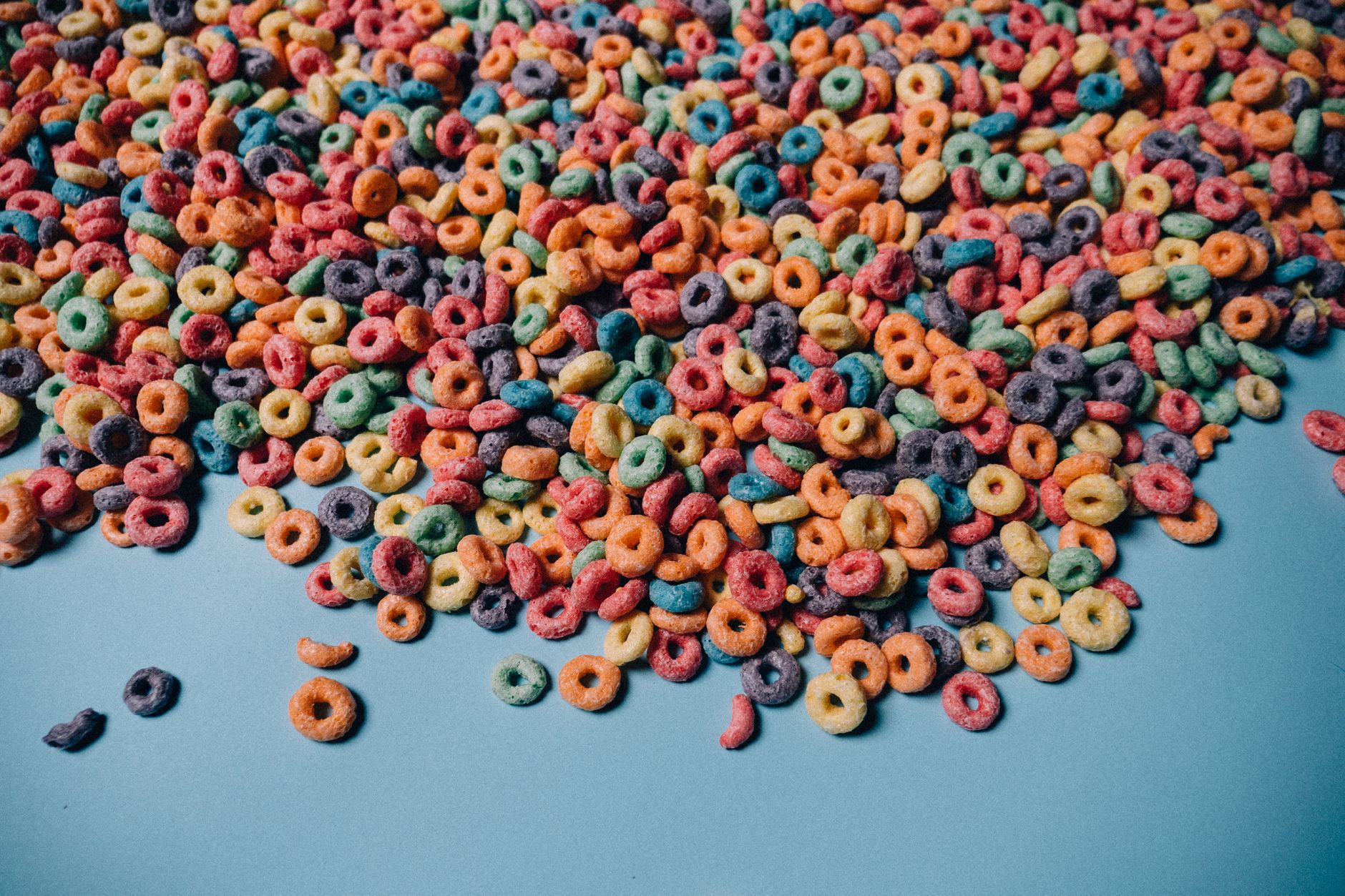
- Certain Breakfast Cereals: Many commercial breakfast cereals are high in sugar and low in fiber, causing rapid spikes.
- Crackers: Especially those made with white flour and added sugars.
4. Sweetened Dairy Products
Flavored yogurts and other sweetened dairy products can contain added sugars, leading to increased blood sugar levels. Opting for unsweetened versions and adding fruits or nuts can be a better choice.
5. Certain Fruits
- Watermelon: While healthy, watermelon has a high GI and can raise blood sugar levels more quickly than other fruits.
- Overripe Bananas: As bananas ripen, their starch converts to sugar, making very ripe bananas potentially raise blood sugar levels quickly.
- Pineapple: Known for its sweet taste, pineapple can cause blood sugar spikes when consumed in mass quantities.
Foods to Limit for Blood Sugar Management
While the above foods are known to cause spikes in blood sugar, it’s important to moderate not only the type but also the portion sizes of these foods. Here are some essential considerations:
Understand Portions
Even healthy foods can contribute to blood sugar spikes if consumed in large portions. Keeping an eye on serving sizes can help maintain stable blood sugar levels.
Watch Out for Hidden Sugars
Many products contain added sugars that might not be obvious. Reading labels is essential, as sugar can infiltrate sauces, dressings, and packaged foods in various forms, like high fructose corn syrup or agave nectar.
Say No to Trans Fats
Trans fats found in some fried and baked goods can negatively impact insulin sensitivity. Choosing healthier fats, like olive oil or avocados, is a better approach.
Foods That Help Stabilize Blood Sugar
On the flip side, some foods can help stabilize and even lower blood sugar levels. Including these in your diet can provide balance:
1. Non-Starchy Vegetables
- Leafy Greens: Spinach, kale, and other greens are low in calories and carbohydrates.
- Broccoli: Packed with vitamins and low on the GI scale.
- Cucumber: Hydrating and low in carbs, they are a smart choice.
2. Whole Grains
- Brown Rice: A whole grain option that offers fiber and can help regulate blood sugar levels.
- Quinoa: High in protein and fiber, providing a slower energy release.
- Oats: Steel-cut or rolled oats are a great breakfast option that can help keep blood sugar steady.
3. Healthy Fats
- Avocado: Contains heart-healthy fats and can help reduce blood sugar spikes.
- Nuts and Seeds: High in fiber and healthy fats, helping control hunger and stabilize blood sugar.
- Olive Oil: Provides healthy fats that can help improve insulin sensitivity.
4. Lean Proteins
Including lean proteins as part of meals can promote satiety and reduce overall carbohydrates consumed. Good options include:
- Chicken: Skinless forms are best.
- Fish: Fatty fish like salmon offers omega-3 fatty acids.
- Legumes: Beans and lentils provide protein and fiber without raising blood sugar.
5. Low-Glycemic Fruits
- Berries: Such as strawberries and blueberries, they provide antioxidants and are lower in sugar.
- Cherries: Another low-GI fruit that can be enjoyed in moderation.
- Apples: A good choice when eaten with the skin, providing fiber.
Meal Planning for Stable Blood Sugar
Implementing strategic meal planning can help keep blood sugar levels in check. Here’s how to create an effective plan:
1. Balance Your Plate
Make sure each meal includes protein, healthy fats, and fiber-rich carbohydrates. This combination slows down the digestion process and helps keep blood sugar stable.
2. Plan Your Snacks Wisely
- Choose high-protein and high-fat snacks: This can include a handful of nuts or Greek yogurt.
- Avoid packaged snack foods: Always prefer whole foods over processed options where possible.
3. Space Meals Evenly
Aim to eat every 4 to 6 hours to maintain consistent energy levels throughout the day. This timing can prevent extreme highs and lows in blood sugar.
4. Keep a Food Diary
Recording what you eat can help you identify patterns in blood sugar spikes. This method can lead to better decision-making about which foods to incorporate or limit in your diet.
5. Consult with a Nutritionist
Personalized guidance can be invaluable. A nutritionist can help tailor recommendations specific to your health needs, preferences, and dietary restrictions.
Cooking Techniques to Lower Blood Sugar Impact
The cooking methods you choose can also affect how food impacts blood sugar levels. Here are some techniques to consider:
1. Steaming and Boiling
These methods preserve nutrients and do not require added fats that can affect blood sugar levels. Prepare vegetables using these techniques for healthier sides and main dishes.
2. Grilling and Baking
Using these methods can provide flavor without the risk of adding unhealthy fats. Herbs and spices can be used to enhance flavor instead of relying on sugary marinades.
3. Avoid Frying
Fried foods often lead to added calories and unhealthy fats, which can not only spike blood sugar but also contribute to weight gain.
4. Make Homemade Versions
Preparing meals and snacks at home allows you to control the ingredients. This can reduce the likelihood of unexpected sugars sneaking in.
Common Mistakes to Avoid
When managing blood sugar through diet, certain common mistakes can arise. Here are some to be vigilant about:
1. Skipping Meals
Missing meals can lead to overeating later, causing blood sugar spikes. Regular eating can aid in keeping blood sugar stable.
2. Ignoring Beverage Choices
Many people overlook the sugars in beverages. Opting for water, herbal teas, or unsweetened drinks can help control sugar levels.
3. Lack of Fiber
Failing to include fiber can lead to quick blood sugar spikes. Incorporating more legumes, whole grains, fruits, and vegetables can help mitigate this issue.
Conclusion
Maintaining stable blood sugar levels is essential for overall health and wellbeing. By being aware of the foods that spike blood sugar, it’s possible to make informed choices that aid in blood sugar management. Focus on balanced meals, healthy snacks, and preparation methods that support steady glucose levels.
For more delicious recipes and tips when it comes to healthy eating, explore our Chia Pudding with Coconut Milk or check out the nutritious Protein Brownies Recipe for a sweet treat.