
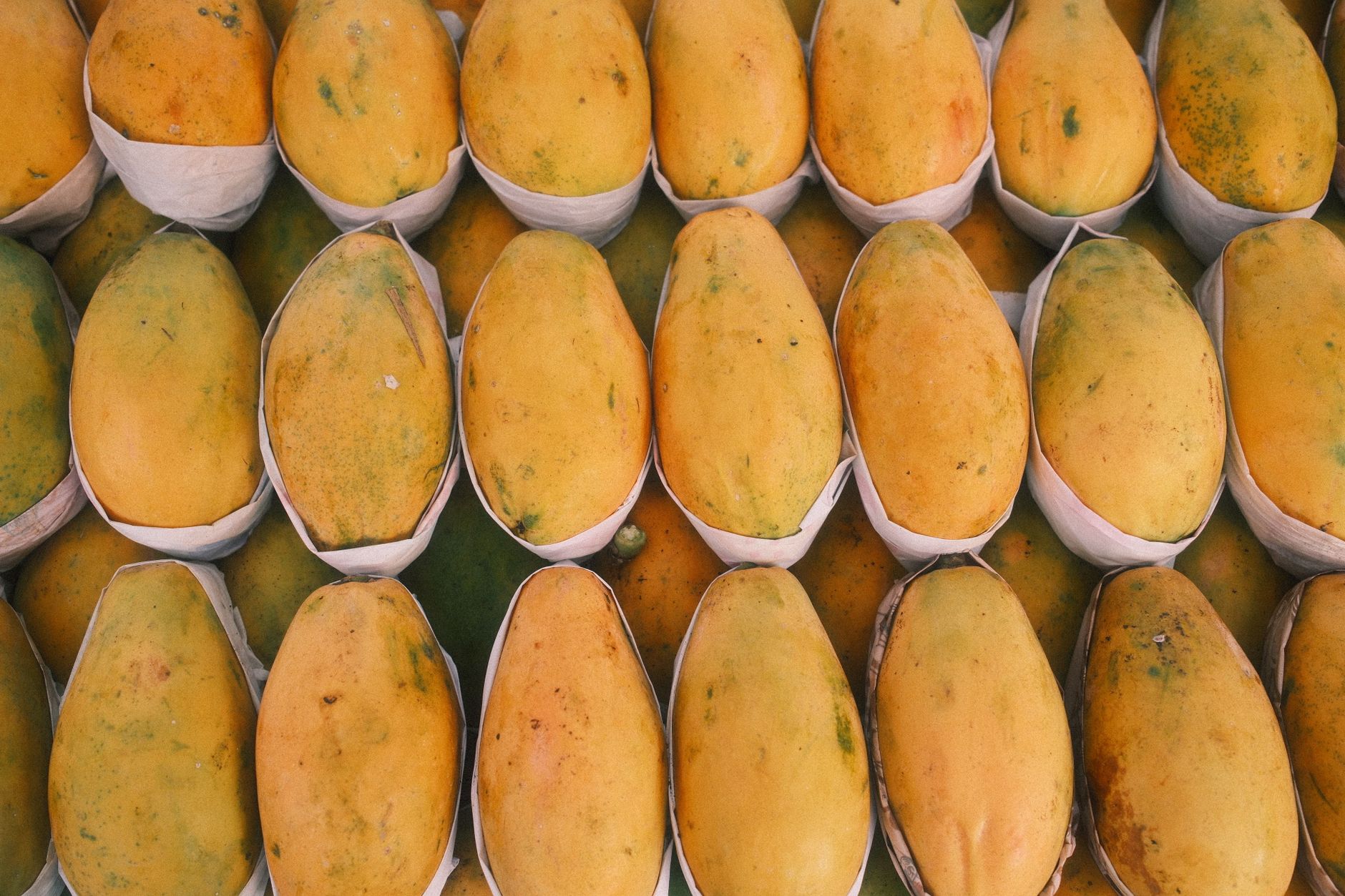
Mangos are one of the most beloved fruits worldwide, celebrated for their luscious sweetness and vibrant flavor. However, determining whether a mango is ripe can be challenging, especially given the variety of mangoes available. A ripe mango can elevate your dishes, while an unripe one can result in disappointment. This guide aims to equip you with the knowledge to identify ripe mangoes, offering tips for shopping and storage.
Understanding how to tell if a mango is ripe involves examining its color, texture, and aroma. With this knowledge in hand, you can confidently choose the best mango for your next smoothie, salad, or dessert.
How Do You Tell If a Mango Is Ripe?
A mango is ripe when it yields slightly to gentle pressure, has a fragrant aroma, and displays vibrant coloring appropriate for its variety. By considering these factors, you can ensure that your mango will be juicy and flavorful.
Understanding Mango Varieties
Before diving into how to determine if a mango is ripe, it’s essential to recognize that there are numerous varieties of mangoes, each with unique characteristics. Here are some popular varieties:
- Hass: Known for its dark purple skin and creamy flesh, this variety has a nutty flavor.
- Alphonso: Often regarded as the king of mangoes, it features a golden-yellow skin and a sweet, fibrous pulp.
- Tommy Atkins: This variety is widely available and has a greenish-red skin with firm, juicy flesh.
- Kent: A green variety that ripens to a yellowish hue, known for its sweet and juicy flesh.
- Palmer: Larger in size with a vibrant purple-red skin, it is sweet with a minimal fiber content.
Each mango variety may exhibit slight differences in color and aroma when ripe, so being aware of these characteristics can help you in the selection process.
Key Indicators of Ripeness
Now that you know about different varieties, let’s explore the key indicators of ripeness that apply to most mangoes.
Color
The color of a mango is one of the first indicators of ripeness. As mangoes ripen, their skin typically changes color. Depending on the variety, the color can shift from green to yellow or even to a reddish hue. Here are general guidelines for several common varieties:
- Alphonso: Changes from green and yellow to a deep golden-yellow.
- Tommy Atkins: Transitions from dark green to vibrant orange with red overtones.
- Hass: Darkens from green to almost black when fully ripe.
- Kent: Ripens to a deeper yellow with a touch of green still visible.
Keep in mind that some varieties may not change dramatically in color. Always check the other indicators for a correct ripeness assessment.
Texture
Texture is another crucial factor in determining ripeness. A ripe mango should yield slightly when gently squeezed. Here’s how to gauge the texture:
- A ripe mango feels slightly soft but not mushy. If it feels firm or hard, it’s most likely unripe.
- Excessive softness and dents might suggest overripeness, meaning the mango is on the verge of spoiling.
Practice applying gentle pressure with your fingers; you should feel a little give. With experience, you’ll be able to discern a ripe fruit from an unripe one effectively.
Aroma
An enticing aroma is a strong signal of a ripe mango. When you bring a mango close to your nose, it should emit a sweet, fruity fragrance, especially near the stem end. If there’s little or no scent, it may need more time to ripen. Conversely, a strong, fermented smell indicates overripeness.
Shopping for Ripe Mangoes
Choosing ripe mangoes in the store can be tricky, particularly if there are many to pick from. Here are some practical shopping tips to ensure your selection is spot on:
Examine the Skin
Always inspect the skin closely. Look for smooth, unblemished skin without wrinkles or excessive dark spots. Some minor blemishes are normal, especially in organic mangoes. Additionally, avoid mangoes that have large, dark spots, as that suggests overripeness or decay.
Check for Firmness
Choose mangoes that feel plump in your hand. Always apply gentle pressure; if they yield slightly, they are more likely to be ripe. Avoid any that feel excessively hard or overly soft.
Smell the Mango
Use your sense of smell—an aromatic mango is more likely to be ripe. As previously discussed, a sweet fragrance emanating from the stem end indicates that the fruit is ready to eat.
Ripening Mangoes at Home
If you’ve purchased unripe mangoes, you can ripen them at home. Here’s how:
Using Ethylene Gas
Mangoes, like many fruits, produce ethylene gas, which accelerates the ripening process. To ripen mangoes quickly:
- Place your mangoes in a paper bag at room temperature. The bag traps ethylene gas and speeds up ripening.
- Check the mangoes daily. Depending on the variety and initial ripeness, they can take anywhere from 1 to 7 days to ripen.
- Once ripe, transfer them to the refrigerator to slow down the ripening process.
Using the Sun
Another method for ripening is placing mangoes in direct sunlight. Simply place the mangoes on a windowsill where they can soak up the sun. This method may be slower but can be effective.
Common Mistakes to Avoid
While determining ripeness is inherently straightforward, there are common pitfalls to avoid:
- Culling Based Solely on Color: Don’t rely solely on color, as some mango varieties retain green skin even when ripe.
- Neglecting Aroma: Failing to smell the mango may lead to selecting an unripe or overly ripe fruit.
- Rushing the Ripening Process: Avoid placing mangoes in the refrigerator to ripen; this can halt the ripening process completely.
Storing Ripe Mangoes
Once you’ve chosen and ripened your mangoes, proper storage ensures they maintain their delightful flavor and texture. Here are some tips for storing ripe mangoes:
Refrigeration
If your mango has reached optimal ripeness, store it in the refrigerator. Place it in the crisper drawer or in a well-ventilated bag. This can extend its life for a few days.
Freezing Mangoes
If you cannot consume your ripe mango in time, consider freezing it. Here’s how:
- Peel the mango and remove the pit.
- Cut the mango flesh into cubes or slices.
- Spread the pieces out on a baking sheet in a single layer to freeze for a couple of hours.
- Transfer the frozen pieces into an airtight freezer bag or container for long-term storage.
This method allows you to enjoy the sweetness of mangoes long after their season has passed.
Cooking and Using Ripe Mangoes
Ripe mangoes are incredibly versatile and can be used in a wide range of culinary applications. Here are some ideas on how to enjoy them:
Fresh Snacking
Ripe mangoes are perfect for snacking. Simply peel and slice the fruit, or cube it and toss it in a fruit salad. Their sweetness can satisfy any craving.
Smoothies and Juices
Add ripe mango to smoothies or juices for a tropical twist. Combine it with coconut milk, spinach, or Greek yogurt for a nourishing drink.
Salads and Salsas
Mango can elevate salads with a touch of sweetness. Consider mixing it with leafy greens, avocado, and a tangy vinaigrette. Alternatively, make a mango salsa by combining diced mango, red onion, lime juice, and cilantro.
Desserts and Baking
Incorporate mango into desserts, such as mango pudding or sorbet. For baking, mango puree can be used in muffins or cakes for added moisture and flavor.
Conclusion
Learning how to tell if a mango is ripe involves using your senses: look for color, feel for texture, and smell the aroma. These tips will guide you in selecting the perfect mango for your culinary needs, ensuring a delightful experience. So next time you’re at the store or farmer’s market, put these insights to use!
For additional insights, explore what ripe mangoes look like or try a delicious mango sago recipe.