
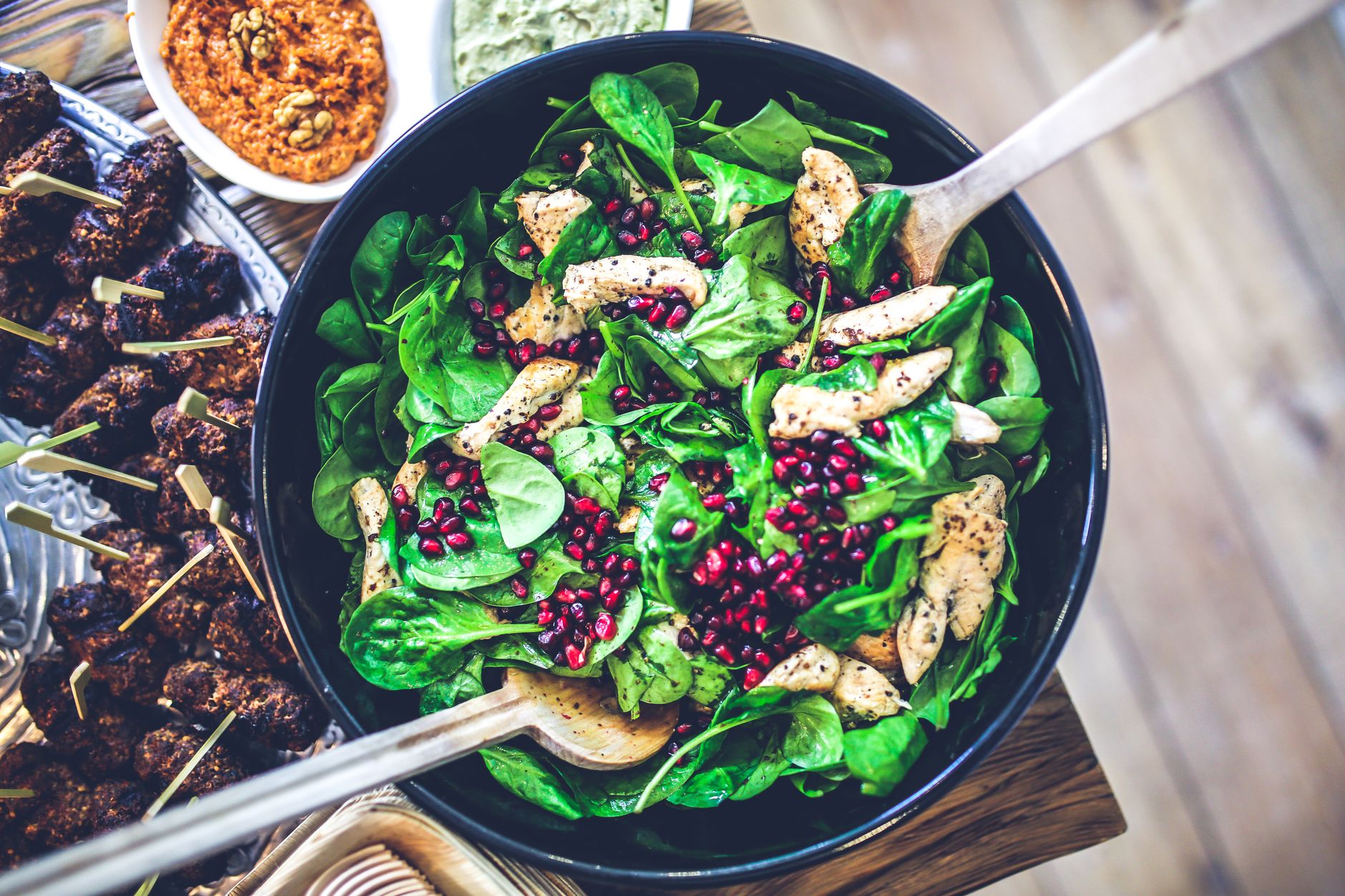
In today’s health-conscious world, identifying nutrient-dense foods can help shape a balanced diet. Nutrient density refers to the amount of vitamins, minerals, and other beneficial compounds in a food relative to its calorie content. In simple terms, it’s about choosing foods that provide the most nutrition for the least calories.
This article will explore some of the most nutrient-dense foods, their benefits, culinary uses, and how to incorporate them into your daily meals. From leafy greens to lean proteins, we will highlight ingredient profiles and practical tips for maximizing your nutrient intake.
What Are the Most Nutrient Dense Foods?
The most nutrient-dense foods are typically whole, unprocessed items packed with vitamins, minerals, antioxidants, and other beneficial compounds while being relatively low in calories. Examples include leafy greens, various fruits, nuts, seeds, legumes, and certain proteins. Incorporating these foods into your diet can lead to improved health and wellness.
Leafy Greens
Leafy greens are among the most nutrient-dense foods available. They are low in calories but high in vitamins A, C, K, and several B vitamins, minerals like iron, calcium, and potassium, and fiber.
- Spinach: Rich in iron and folate, spinach can be used in salads, smoothies, or cooked as a side dish.
- Kale: This cruciferous vegetable is high in vitamins A, C, and K. Use kale in salads, soups, or as a base for grain bowls.
- Swiss Chard: Contains vitamin K, manganese, and magnesium. Sauté it with garlic or add it to stews for a nutrient boost.
Preparation and Cooking Tips
- Wash leafy greens thoroughly to remove dirt and pesticides.
- Consider using fresh greens in salads or lightly steaming them to preserve nutrients.
- Add greens to smoothies for a nutrient kick without altering taste significantly.
Cruciferous Vegetables
Cruciferous vegetables are well-known for their health benefits, including cancer prevention properties. They provide a wealth of nutrients like fiber, vitamins C, E, and K, as well as various phytonutrients.
- Broccoli: A powerhouse of vitamin K and C, also containing fiber and various antioxidants.
- Brussels Sprouts: Like broccoli, they are high in fiber, vitamins C and K, and may have cancer-fighting properties.
- Cauliflower: This versatile vegetable can be used as a rice substitute, in soups, or roasted.
Preparation and Cooking Tips
- Steam or roast cruciferous vegetables to maintain their nutrients and enhance their flavors.
- Pair with herbs and spices to add flavor without excess calories.
- Incorporate into stir-fries or casseroles for a nutrient-packed meal.
Berries
Berries such as blueberries, strawberries, and raspberries are not only delicious but also incredibly nutrient-dense. They are low in calories and high in antioxidants, vitamins C and K, and fiber.
- Blueberries: Known for their high levels of antioxidants, they can be added to oatmeal, smoothies, or eaten raw.
- Strawberries: High in vitamin C and manganese, they make a perfect topping for yogurt or salads.
- Raspberries: Loaded with fiber, they are great for snacking and can be added to desserts or salad bowls.
Preparation and Cooking Tips
- Consume berries fresh for the highest nutrient content.
- Freeze seasonal berries for use in smoothies or baking throughout the year.
- Combine different berries in a fruit salad for a colorful and nutritious snack.
Nuts and Seeds
Nuts and seeds are high in healthy fats, protein, and essential nutrients. They can be a satisfying snack or a nutrient-dense addition to meals.
- Almonds: A great source of vitamin E and magnesium, can be eaten raw or roasted; they are also a great addition to granola.
- Chia Seeds: High in Omega-3 fatty acids, fiber, and antioxidants, they can be used in smoothies, puddings, or as an egg substitute in baking.
- Flaxseeds: Packed with fiber and omega-3s, add ground flaxseeds to oatmeal or smoothies.
Preparation and Cooking Tips
- Store nuts and seeds in the refrigerator or freezer to maintain freshness.
- Try to consume them raw for maximum nutrients or toast them lightly for extra flavor.
- Incorporate them into baked goods for added texture and nutrition.
Legumes
Legumes, including beans, lentils, and chickpeas, are exceptional sources of protein, fiber, and various vitamins and minerals. They are cost-effective and can be easily added to any dish for additional nutrition.
- Black Beans: High in fiber and protein; perfect for salads, burritos, or chili.
- Lentils: Packed with protein, iron, and magnesium; they can be used in soups and casseroles.
- Chickpeas: Excellent for making hummus or adding to salads and stews.
Preparation and Cooking Tips
- Rinse canned legumes to reduce sodium content and improve flavor.
- Soak dry legumes overnight to decrease cooking time and improve digestibility.
- Use legumes as a base for vegetarian meals to increase protein content.
Whole Grains
Whole grains are less processed than refined grains and contain more nutrients, including fiber, B vitamins, and minerals. They can contribute to feeling full and satisfied.
- Quinoa: A complete protein containing all nine essential amino acids, it’s great in salads or as a side dish.
- Brown Rice: Higher in fiber than white rice, it is a versatile grain that can be paired with many dishes.
- Oats: Rich in fiber and a great breakfast option, oats can be used in smoothies, baking, or overnight oats.
Preparation and Cooking Tips
- For brown rice and quinoa, rinse before cooking to remove excess starch and improve texture.
- Cook in low-sodium broth for added flavor without adding too much sodium.
- Prepare large batches for easy meal prep throughout the week.
Lean Proteins
Incorporating lean proteins into your diet helps maintain muscle mass and keeps you feeling full. These proteins are nutrient-rich while being lower in fat.
- Skinless Chicken Breast: A great source of protein with no carbs, perfect for grilling, baking, or stir-frying.
- Fish: Fatty fish like salmon are high in omega-3 fatty acids and protein, making them excellent choices.
- Lentil and Turkey Meatloaf: Combining lentils with ground turkey can significantly increase protein and nutrient content while keeping it lean.
Preparation and Cooking Tips
- Choose cooking methods like grilling, baking, or steaming to maintain flavor and avoid adding unhealthy fats.
- Use herbs and spices to flavor proteins without adding extra calories.
- Cook in bulk and store portions for easy meal preparation during the week.
Fruits and Vegetables
Incorporating a variety of fruits and vegetables into your diet is essential for obtaining a broad range of nutrients. Aim for colorful selections to benefit from different vitamins and antioxidants.
- Carrots: High in beta-carotene and fiber, carrots can be raw in salads, steamed, or incorporated into stews.
- Sweet Potatoes: Packed with vitamin A, vitamin C, and complex carbohydrates; they can be mashed, baked, or added to soups.
- Avocados: High in healthy fats, fiber, and potassium; add them to salads, smoothies, or spread on whole-grain toast.
Preparation and Cooking Tips
- Eat fruits and vegetables in their whole form when possible to maximize nutrients.
- Experiment with different cooking methods to enhance flavor and maintain nutrients.
- Incorporate seasonal produce for the best taste and nutrient profile.
Maximizing Nutrient Intake in Daily Meals
To maximize nutrient intake throughout your day, it’s important to plan meals that incorporate nutrient-dense foods across all meal types. Here are some practical examples for effective meal planning:
- Breakfast: Start your day with a smoothie containing spinach, blueberries, and Greek yogurt. Alternatively, try oatmeal topped with sliced bananas and chia seeds.
- Lunch: Create a salad with mixed greens, chickpeas, shredded carrots, and a lemon-tahini dressing. Alternatively, use quinoa as a base topped with grilled chicken and colorful veggies.
- Dinner: Make a stir-fry with lean protein, broccoli, and bell peppers served over brown rice, or bake salmon alongside roasted sweet potatoes and asparagus.
- Snacks: Consider nuts, fresh fruit, or vegetable sticks with hummus for a nutrient-rich option.
Practical Tips for Meal Prep
- Batch cook quinoa, brown rice, or legumes at the beginning of the week for easy additions to meals.
- Pre-wash and chop vegetables to make snack prep simpler.
- Prepare dressings in advance to save time without sacrificing flavor and nutrition.
Conclusion
Incorporating nutrient-dense foods into your diet doesn’t have to be overwhelming. By understanding the benefits of various ingredients and making minor changes to your meal planning, you can significantly enhance your nutrient intake and overall health. Start small by introducing one or two new nutrient-dense items each week and discover how to create balanced meals that nourish your body.
To further explore the benefits of specific nutrient-dense ingredients, check out the benefits of chia seeds and learn about the protein content in spinach. Discover more recipes, cooking tips, and food guides to enhance your culinary experience.