
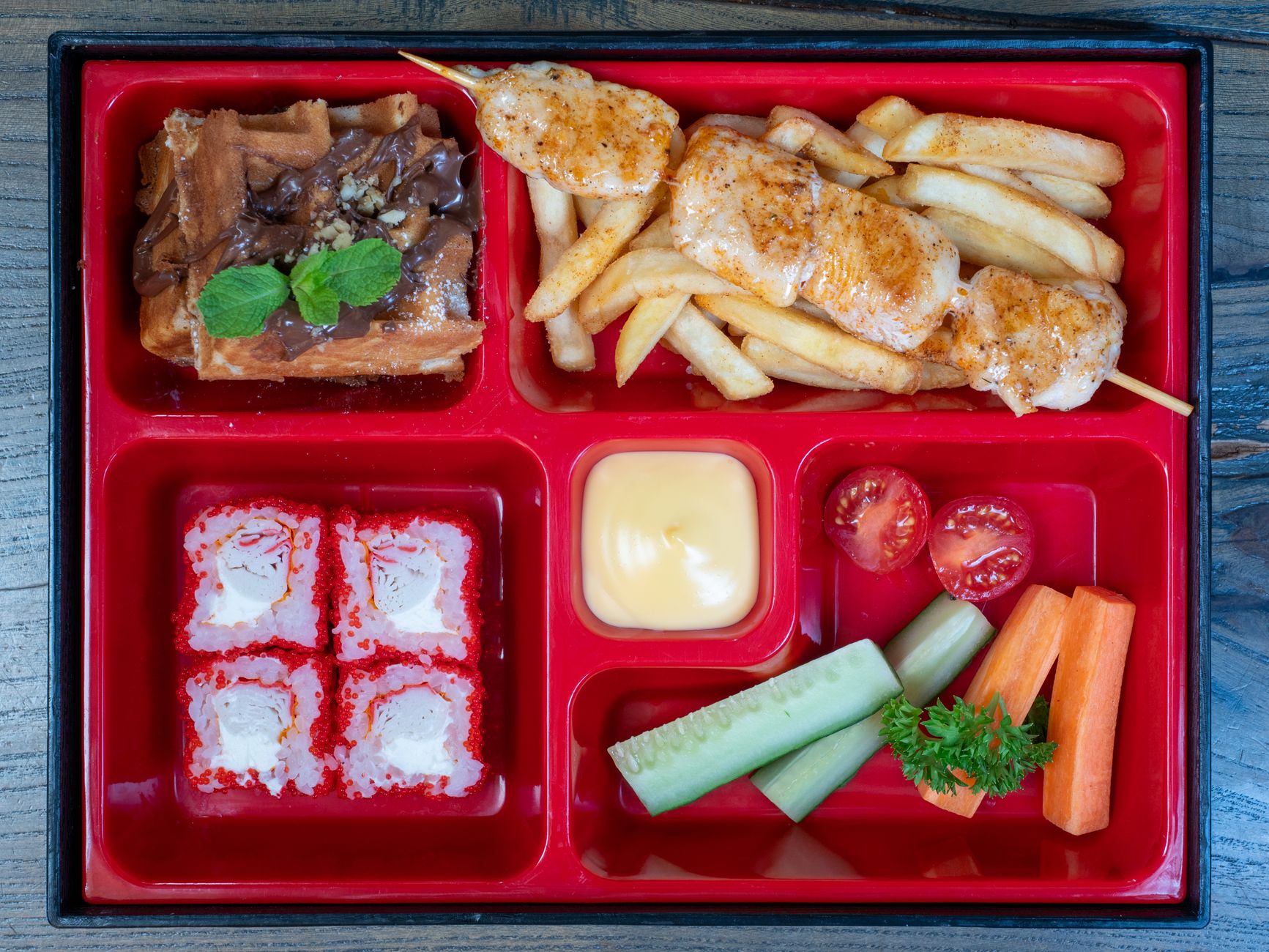
Bento boxes are a popular meal option that originated in Japan, traditionally consisting of a balanced meal served in a single container. These versatile lunch boxes are not only practical for meal prep but also allow for artistic and aesthetically pleasing presentations of food. As more people recognize their convenience and appeal, bento boxes have gained traction worldwide, making them a favorite among busy professionals and families alike.
In this article, we will explore what bento boxes are, their key ingredients, the flavors and textures they offer, and various culinary uses. Whether you’re looking to learn how to prepare your own bento box or just want to understand more about this delightful meal option, this guide provides comprehensive information to satisfy your curiosity.
What Are Bento Boxes?
Bento boxes are Japanese-style packed meals that usually include a variety of ingredients, offering a balanced meal in one container. They typically feature a combination of rice, protein, vegetables, and sometimes fruit or pickled items. The presentation of a bento box is as important as its contents, often decorated in a visually appealing manner to enhance the dining experience.
key Ingredients of Bento Boxes
Creating a bento box involves selecting a variety of ingredients that not only complement each other in flavor but also provide a balanced nutritional profile. Here is a breakdown of common components used in bento boxes:
- Rice or Grain Base: Typically, white or brown rice is used as the foundation, but other grains like quinoa, barley, and even noodles can be included for variety.
- Protein: Options include grilled chicken, teriyaki salmon, tofu, egg (as an omelet or hard-boiled), or beef. The key is to have a good source of protein to keep the meal satisfying.
- Vegetables: Both raw and cooked vegetables are common, such as carrots, cucumbers, bell peppers, broccoli, and peas. They add color, crunch, and essential nutrients.
- Fruits: Sliced fruits like oranges, apples, or berries can be included for a refreshing touch and sweetness.
- Pickled Items: Japanese pickles, known as tsukemono, often accompany bento meals, adding tanginess that contrasts with the other ingredients.
- Garnishes: Items like seaweed, sesame seeds, or chopped herbs can be added for flavor and decoration.
Taste and Flavor Profile
The flavor profile of bento boxes is diverse and complex, thanks to the variety of ingredients used. Here are some common taste elements that you can expect when enjoying a bento box:
- Umami: Many bento dishes incorporate ingredients rich in umami flavors, such as soy sauce, miso, or grilled meats, which create a savory depth of flavor.
- Sweetness: Some components, like teriyaki sauce or pickled vegetables, offer a sweet contrast that balances the meal.
- Salty and Sour: The inclusion of seasonings and sauces can add salty and sour notes, enhancing the overall taste experience.
- Freshness: The use of raw vegetables and fruits provides a refreshing crunch that brightens the meal.
Culinary Uses of Bento Boxes
Bento boxes are not limited to lunch; they can be adapted for various culinary uses and occasions. Here are some popular ways to utilize bento boxes:
Lunchbox Wonders
The most common use of bento boxes is for school or work lunches. They allow for portion control while providing a satisfying variety of foods. Preparing bento boxes can also encourage healthier eating choices, as homemade meals are often more nutritious than takeout options.
Picnics and Outdoor Events
Due to their convenient packaging, bento boxes are excellent for picnics, road trips, and outdoor events. Their compact design makes them easy to transport, and the variety of textures and flavors keeps meals interesting.
Meal Prepping
Bento boxes can be ideal for meal prepping, as they allow you to create multiple balanced meals in advance. Portioning out meals in bento boxes can simplify diet management, especially for those focused on controlling calorie intake or adhering to specific dietary requirements.
Creative Culinary Expressions
For those who appreciate aesthetics in food, bento boxes offer an opportunity for artistic expression. Beautiful arrangements of colorful ingredients can turn a simple meal into an art form. Many people enjoy making themed bento boxes inspired by holidays, favorite characters, or colors.
How to Assemble a Bento Box
Assembling a bento box is a fun and creative process. Here’s a step-by-step guide to help you get started:
- Choose Your Base: Start with rice, quinoa, or another grain that will serve as the foundation of your bento box. Use about 1 cup as a base, adjusting according to your appetite.
- Add Protein: Select a protein component, such as grilled chicken, steak strips, or marinated tofu. Incorporate about 4-6 ounces or more as needed, making sure it is cooked before packing.
- Incorporate Vegetables: Choose a variety of colors and textures. Aim for at least 1-2 cups of cooked and/or raw vegetables, adding flavor with seasonings or dressings if desired.
- Include Fruits: Add fresh fruit, like berries or apple slices, for natural sweetness. Aim for about half a cup to keep it balanced.
- Garnish and Finish: Add pickled vegetables, sesame seeds, or seaweed for additional flavor and decoration. Arrange toppings in a visually appealing manner to enhance presentation.
Practical Tips for Creating Bento Boxes
To make the preparation of bento boxes more effective and enjoyable, consider these practical tips:
- Prep Ingredients in Advance: Prepare ingredients ahead of time, such as cooking rice or grilling proteins, to streamline the bento assembly process.
- Use Seasoned Ingredients: Incorporating ingredients with built-in flavors, like teriyaki chicken or miso-roasted vegetables, can enhance taste without needing additional sauces.
- Get Creative with Shapes: Use cookie cutters to create fun shapes with vegetables or fruits, adding interest and appeal to your bento box.
- Consider Portion Sizes: Be mindful of portion sizes to ensure a balanced meal and avoid wastage. Small amounts of many ingredients work well in bento boxes.
- Look for Quality Containers: Invest in a good-quality bento box that has compartments to keep different food items from mixing. Ensure that the container is easy to seal and leak-proof.
- Match Flavors and Textures: Aim for a mix of textures and flavors in each box. Consider pairing creamy dips with crunchy vegetables, or sweet fruits with savory proteins.
Common Mistakes When Making Bento Boxes
As with any culinary endeavor, there can be pitfalls when creating bento boxes. Being aware of these common mistakes can help you achieve better results:
- Overpacking: Ensuring that your box is balanced without overcrowding each compartment is essential. Too much food can make it less visually appealing and chaotic to eat.
- Neglecting Color: A bento box should be as colorful as it is delicious. Using a variety of ingredients not only enhances presentation but also provides different nutrients.
- Ignoring Temperature: Some ingredients taste their best when served at the proper temperature. Keep hot foods hot and cold foods cold to maintain quality.
- Forgetting to Season: Remember to season your ingredients before packing. Lack of seasoning can lead to bland meals that are less satisfying.
- Leaving Out Variety: A bento box should feature a mix of different flavors and textures. Repeating the same ingredients can make meals boring.
Storage and Reheating of Bento Boxes
Storing and reheating bento boxes properly is crucial for maintaining freshness and food safety. Here are guidelines to keep in mind:
- Refrigeration: Store your assembled bento boxes in the refrigerator if not consumed right away. Ideally, they should be eaten within 2-3 days.
- Use Airtight Containers: Ensure that your bento box is airtight to prevent moisture loss and food spoilage.
- Reheating: When reheating, remove any cold items, like fruits or salads, before warming the main components. Microwave on medium heat, checking frequently to avoid overheating.
- Safety First: Be cautious about keeping cooked proteins at room temperature for extended periods. Bacteria can thrive on food left out for too long.
- Labeling: If meal prepping multiple bento boxes, consider labeling them with their packed date to monitor freshness and stay organized.
Conclusion
Bento boxes are a delicious and diverse meal option that caters to various tastes and preferences. By understanding their core components, flavors, and assembly techniques, you can create beautiful and balanced meals that are not only practical but also visually enjoyable. Whether you’re packing a lunch for yourself or aiming to impress friends at a picnic, bento boxes offer endless creative possibilities.
Explore related recipes, cooking tips, or food guides for more inspiration, such as delicious chia pudding with coconut milk or learn how to use a jelly roll pan effectively.