
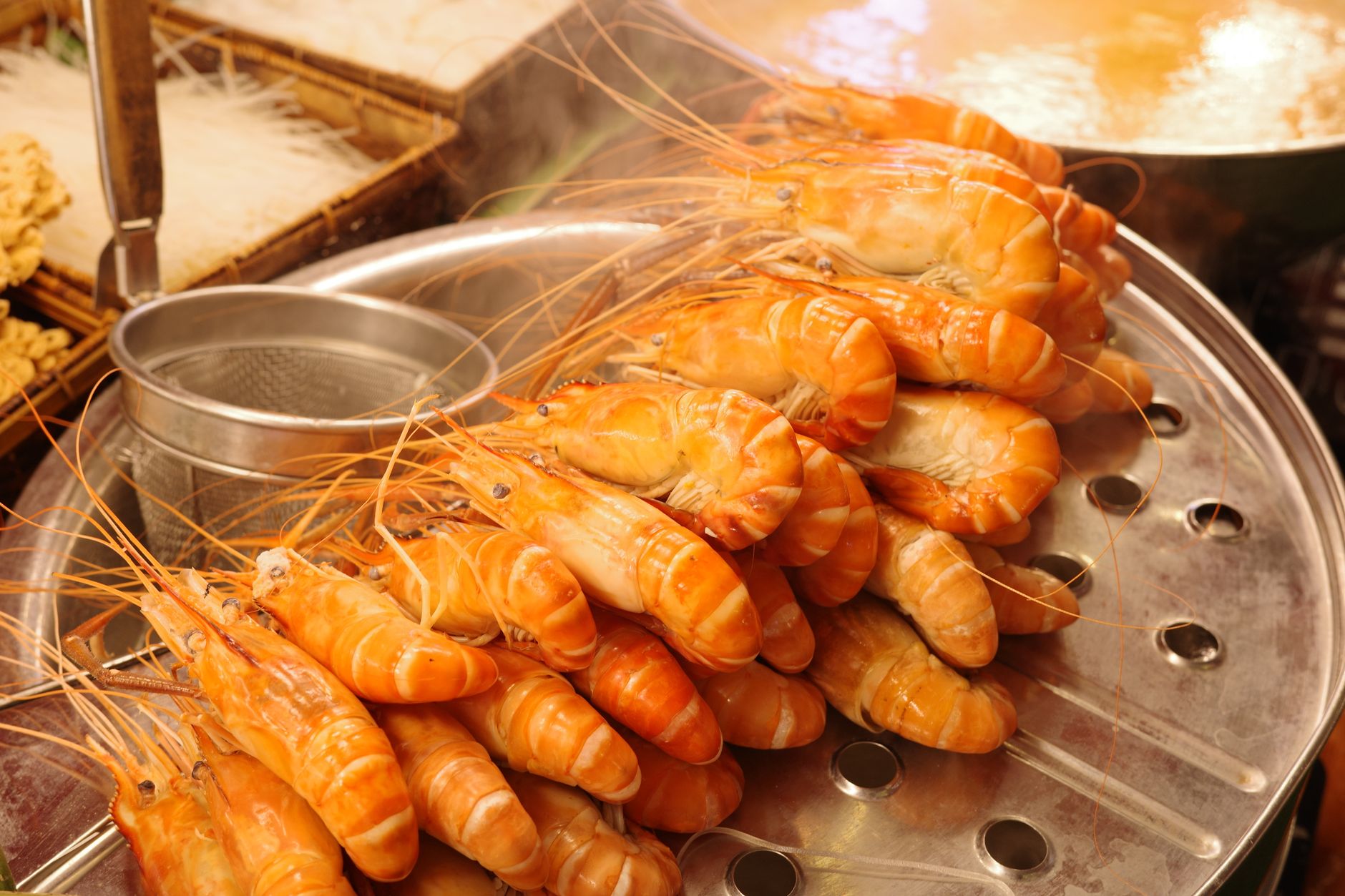
When it comes to seafood, shrimp is one of the most popular options, enjoyed for its versatility and delicious flavor. However, if you’ve cooked a large batch and find yourself with leftovers, you may wonder, can you refreeze cooked shrimp? Understanding how to properly freeze and thaw shrimp is essential for maintaining the best flavor and texture while ensuring food safety.
This article will delve into refreezing cooked shrimp, including best practices for freezing, thawing, and storing. We will also cover some tips on how to identify whether your shrimp is still good to eat after freezing. Let’s get started!
Can You Refreeze Cooked Shrimp?
Yes, you can refreeze cooked shrimp, but with some important caveats. If the shrimp was thawed in the refrigerator and has not been left out for more than two hours, it is safe to refreeze. However, refreezing can affect the texture and flavor, so it’s best to use the shrimp soon after thawing for optimal taste and quality.
Why Proper Freezing and Thawing Matters
When shrimp is frozen and thawed, the cellular structure changes. While refreezing cooked shrimp is safe under the right conditions, repeated freezing and thawing can lead to a soggy texture and diminished flavor. Learning proper techniques will help maintain the quality of your shrimp.
Freezing Cooked Shrimp: Step-by-Step Guide
To ensure that your cooked shrimp are frozen properly, follow this simple step-by-step guide:
- Cool the Shrimp: Allow the cooked shrimp to cool to room temperature. This should ideally take about 30 minutes. Do not leave shrimp out for more than two hours to avoid the risk of bacteria growth.
- Portion Control: If you have a large quantity, consider portioning the shrimp into smaller servings that you can use for future meals. This reduces the need to thaw more than you need at once.
- Packaging: Place the shrimp in airtight containers or freezer bags. If using bags, squeeze out any excess air before sealing to minimize freezer burn.
- Labeling: Clearly label the package with the date and contents. This will help you keep track of how long the shrimp has been in the freezer.
- Freezing: Lay the package flat in the freezer to speed up the freezing process. Once frozen solid, you can rearrange your freezer for better space management.
Thawing Cooked Shrimp Safely
When you’re ready to use your frozen cooked shrimp, it’s crucial to thaw it properly to maintain its texture and flavor. Here are safe methods for thawing:
- Refrigerator Thawing: This is the safest method. Simply transfer the shrimp from the freezer to the refrigerator and allow it to thaw overnight. This method takes the longest but preserves the best texture.
- Cold Water Thawing: If you need the shrimp more quickly, place the sealed shrimp bag in a bowl of cold water. Change the water every 30 minutes until the shrimp are thawed. This usually takes about one to two hours, depending on the amount.
- Microwave Thawing: While not ideal, you can also use the defrost setting on the microwave. However, be cautious as this can lead to uneven thawing and may start cooking the shrimp.
Identifying Quality After Thawing
After thawing your shrimp, it’s essential to assess the quality before cooking or consuming. Here are some indicators:
- Smell: Fresh shrimp should have a mild ocean scent. If it smells overly fishy or off, it’s best to discard it.
- Texture: Properly cooked and frozen shrimp should feel firm yet slightly tender. If the shrimp feels mushy or has an unusual slimy texture, do not eat it.
- Appearance: Cooked shrimp should retain their color. Any discoloration or excessive frost outside the packaging could indicate freezer burn or spoilage.
How Refreezing Affects Quality
Refreezing cooked shrimp may compromise its quality. Here are some expected changes:
- Texture: Upon refreezing, shrimp can lose moisture, leading to a drier, chewier texture.
- Flavor: Each freeze-thaw cycle can dull the natural sweetness and briny flavors of the shrimp.
- Appearance: You may notice some discoloration due to exposure to air, moisture loss, or freezer burn.
Best Practices for Storing Cooked Shrimp
To maximize the quality and shelf life of your cooked shrimp, adhere to these best practices:
- Keep it Cool: Always refrigerate any leftover shrimp within two hours of cooking. Store it in an airtight container to minimize exposure to air.
- Use Quickly: Consume cooked shrimp within 3 to 4 days if stored in the refrigerator. If you plan to keep it longer, freezing is the better option.
- Avoid Frequent Temperature Changes: Each time the shrimp is thawed and refrozen, its quality diminishes. If possible, only thaw what you plan to use.
Creative Ways to Use Leftover Cooked Shrimp
If you find yourself with leftover cooked shrimp, there are numerous delicious ways to use it:
- In Salads: Toss cooked shrimp into a refreshing salad with greens, vegetables, and dressing for a light meal.
- Stir-Fries: Add shrimp to vegetable stir-fries to provide extra protein and flavor.
- Pasta Dishes: Create quick and easy shrimp pasta, combining sautéed garlic, olive oil, and your favorite pasta shape.
- Tacos or Wraps: Make shrimp tacos or wraps with fresh toppings, salsas, and sauces for a tasty hand-held meal.
- Soups or Stews: Add shrimp to soups or stews for a delightful seafood flavor and protein boost.
Common Mistakes to Avoid
When it comes to freezing and thawing cooked shrimp, be alert to these common pitfalls:
- Thawing at Room Temperature: Always thaw shrimp in the refrigerator or cold water. Room temperature thawing can promote the growth of harmful bacteria.
- Not Properly Packaging: Use airtight packaging to prevent freezer burn and loss of flavor. This will help preserve quality while frozen.
- Leaving Shrimp Out Too Long: Cooked shrimp should not be left out for more than two hours. If in doubt, err on the side of caution and discard.
Final Thoughts on Refreezing Cooked Shrimp
Refreezing cooked shrimp is permissible as long as proper safety and storage guidelines are followed. While the shrimp’s quality may diminish, it can still be enjoyed in various dishes if cooked and stored correctly. Always prioritize food safety and quality assessment to ensure that your seafood remains a delightful addition to your meals.
If you want to expand your culinary skills, consider exploring other related recipes such as delicious frozen chicken meals or learn how to make a flavorful shrimp stock to enhance your cooking. Enjoy your cooking adventures!