
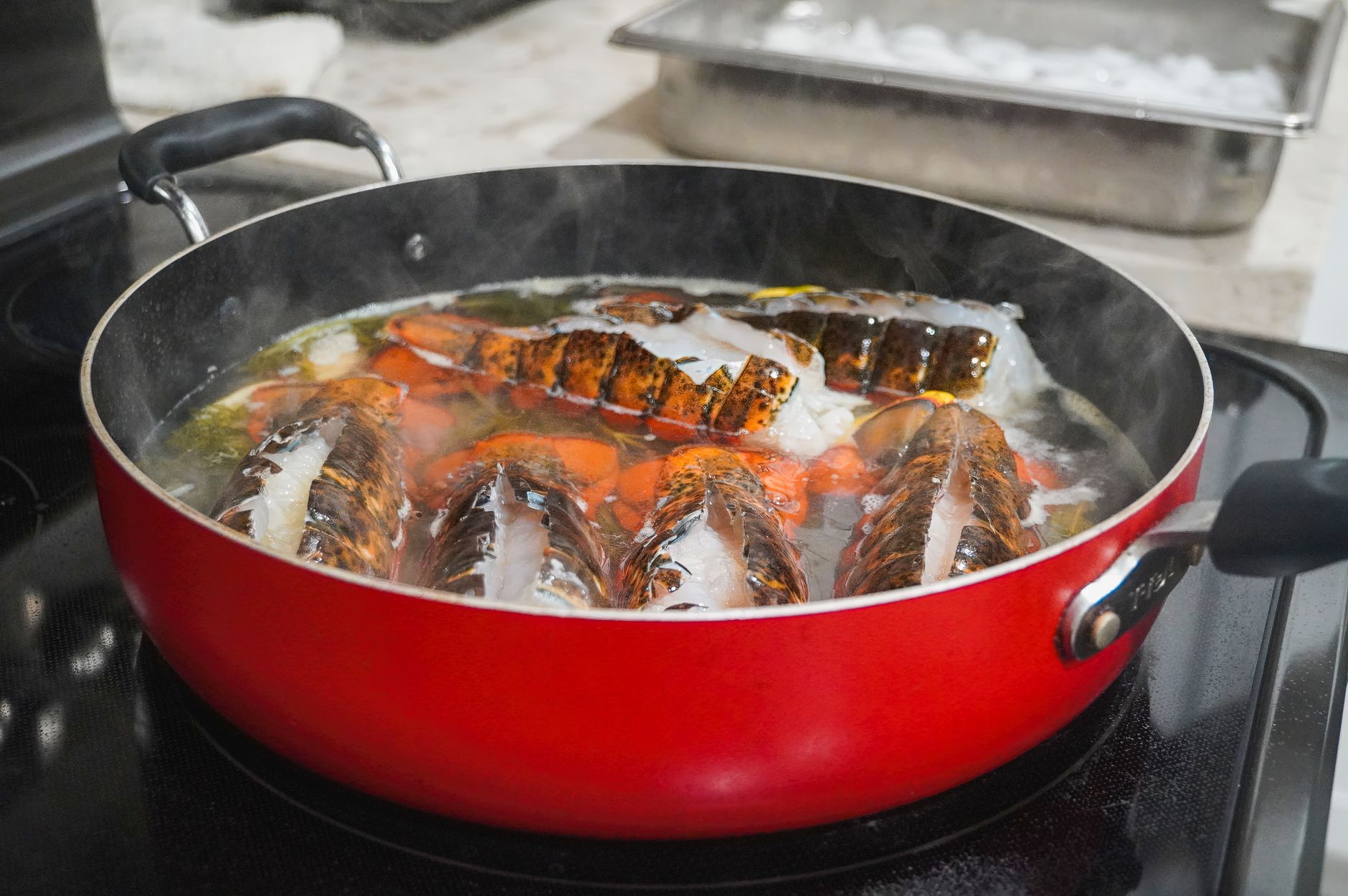
Cooking lobster tails can elevate any meal, providing a touch of luxury that many find irresistible. Knowing what temperature to cook lobster tails is crucial to achieving that tender, perfectly cooked meat that is a delight to eat.
In this guide, we will explore the ideal temperatures, cooking methods, and tips for achieving perfectly cooked lobster tails. Whether you are planning a cozy dinner or hosting a festive gathering, these insights will help you master this delicacy.
What Temp to Cook Lobster Tails?
The ideal internal temperature for cooking lobster tails is 140 to 145 degrees Fahrenheit. At this temperature, the meat will be tender and flavorful, while avoiding the risks associated with undercooking or overcooking.
When cooking lobster tails, you can use various methods like boiling, grilling, baking, or broiling, all of which can yield excellent results when done correctly. Each method has its specific requirements, but the general principles of temperature and timing apply universally.
Cooking Methods for Lobster Tails
There are several popular methods for cooking lobster tails, and the best one for you will depend on your kitchen setup and personal preferences. Here’s a breakdown of the most common techniques.
Boiling Lobster Tails
Boiling is a straightforward method that is effective for cooking lobster tails evenly. Here’s how to do it:
- Fill a large pot with water, ensuring you have at least 1 quart of water per lobster tail.
- Add a generous amount of salt to the water (about 1 tablespoon per quart) to enhance flavor.
- Bring the water to a vigorous boil.
- Submerge the lobster tails into the boiling water.
- Cook for about 1 minute per ounce of tail, or until the internal temperature reaches 140 to 145 degrees Fahrenheit.
- Remove the tails and transfer them to an ice bath to stop the cooking process.
Grilling Lobster Tails
Grilling adds a delightful smoky flavor to lobster tails, enhancing their natural sweetness. To grill lobster tails:
- Preheat your grill to medium-high heat (about 400 to 450 degrees Fahrenheit).
- Score the top of the lobster tails with a sharp knife, cutting through the shell but not the meat.
- Brush the exposed meat with melted butter or oil.
- Place the tails shell-side down on the grill.
- Grill for about 5 to 7 minutes, then flip and cook for another 5 minutes, or until the internal temperature reaches 140 to 145 degrees Fahrenheit.
Baking Lobster Tails
Baking or broiling is another excellent method that requires less attention than boiling or grilling. Follow these steps:
- Preheat your oven to 350 degrees Fahrenheit for baking or 425 degrees Fahrenheit for broiling.
- Prepare the lobster tails by cutting the top shell and pulling the meat out slightly while leaving it attached at the base.
- Place the tails in a baking dish and brush with melted butter, garlic, and seasonings.
- Bake for about 15 to 20 minutes or broil for about 10 minutes, until the internal temperature reaches 140 to 145 degrees Fahrenheit.
Steaming Lobster Tails
Steaming is gentler than boiling and preserves the lobster’s natural moisture. Here’s how to steam lobster tails:
- Fill a pot with about 2 inches of water and place a steamer basket in it.
- Bring the water to a boil.
- Add the lobster tails to the steamer basket, shell-side down, and cover the pot.
- Steam for about 8 to 10 minutes, or until the internal temperature reaches 140 to 145 degrees Fahrenheit.
Understanding Doneness and Timing
Cooked lobster tails will have a firm texture and opaque color. One important thing to note is that the shell of the lobster tail will turn bright red when done, but relying solely on color is not enough; investing in a good food thermometer is advisable for accuracy.
Timing can vary based on the method and the size of the lobster tails. Here are some general cooking times to guide you:
| Cooking Method | Cooking Time |
|---|---|
| Boiling | 1 minute per ounce |
| Grilling | 5-7 minutes, plus 5 minutes after flipping |
| Baking | 15-20 minutes |
| Steaming | 8-10 minutes |
Tips for Perfectly Cooked Lobster Tails
Here are some useful tips to ensure your lobster tails turn out perfectly every time.
- Thaw Completely: If using frozen lobster tails, ensure they are completely thawed before cooking. This will prevent uneven cooking.
- Use a Thermometer: A food thermometer is your best friend when cooking lobster. Aim for 140 to 145 degrees Fahrenheit for perfect doneness.
- Don’t Overcook: Lobster tails can become tough and rubbery if overcooked. Keep a close watch and follow timing guidelines.
- Flavorings: Enhance the natural sweetness of lobster tails with butter, garlic, herbs, or citrus. Experiment with your favorite marinades or spices to find your ideal flavor profile.
- Rest Before Serving: Allow the lobster tails to rest for a few minutes after cooking. This helps the juices redistribute for a more flavorful bite.
Common Mistakes to Avoid
Even experienced cooks can make mistakes when preparing lobster tails. Here are some pitfalls to watch out for:
- Not Preparing Properly: Failing to cut the shell can make it difficult to eat and can lead to uneven cooking. Take the time to prepare each tail properly.
- Ignoring Quality: The quality of the lobster tails can vary significantly. Fresh or frozen tails should have a clean ocean scent and firm texture.
- Cooking from Frozen: While possible, cooking frozen lobster tails without thawing will produce uneven results, as the exterior may cook faster than the interior.
- Forgetting to Season: Lobster benefits greatly from seasoning, so don’t shy away from using salt, butter, and any other flavorings you enjoy.
Serving Suggestions for Lobster Tails
Once you’ve successfully cooked lobster tails, presenting them beautifully can elevate the dining experience. Here are some serving suggestions:
- With Garlic Butter: Melted garlic butter is a classic accompaniment. Serve it in a small dish for dipping.
- With Fresh Herbs: Garnish with chopped fresh parsley, chives, or dill for a pop of color and flavor.
- With Sides: Lobster pairs well with a range of sides such as garlic mashed potatoes, corn on the cob, or a fresh seafood salad.
- Citrus Zest: A sprinkle of lemon or lime zest brightens the dish and enhances the sweetness of the meat.
What to Do with Leftover Lobster Tails
If you have leftover lobster tails, consider these delicious options:
- Lobster Salad: Incorporate leftover lobster into a fresh salad with greens, avocado, and a light vinaigrette.
- Lobster Pasta: Toss the meat with pasta, cream sauce, and vegetables for a quick and satisfying meal.
- Lobster Tacos: Shred the lobster meat and serve it in corn tortillas with slaw and a tangy sauce for a tasty twist.
Storage and Reheating Tips
Properly storing and reheating lobster tails is key to maintaining their flavor and texture:
- Refrigeration: Store cooked lobster tails in an airtight container. They should be consumed within 2-3 days for optimal freshness.
- Freezing: If you want to keep cooked lobster tails for longer, they can be frozen. Wrap them tightly in plastic wrap and then in aluminum foil. They’ll last up to 3 months.
- Reheating: Reheat lobster tails gently in a preheated oven at 350 degrees Fahrenheit for about 10 minutes to avoid drying them out. Alternatively, reheat in a steamer basket for a few minutes.
Cooking lobster tails may seem daunting, but by understanding the ideal temperature and techniques, you will create a dish that impresses and delights. Remember to focus on the internal temperature to ensure safe and enjoyable results. Happy cooking!
Explore our related recipes and cooking tips, like our broiled lobster tail recipe and learn how to make Trader Joe’s lobster pasta for your next gathering.