
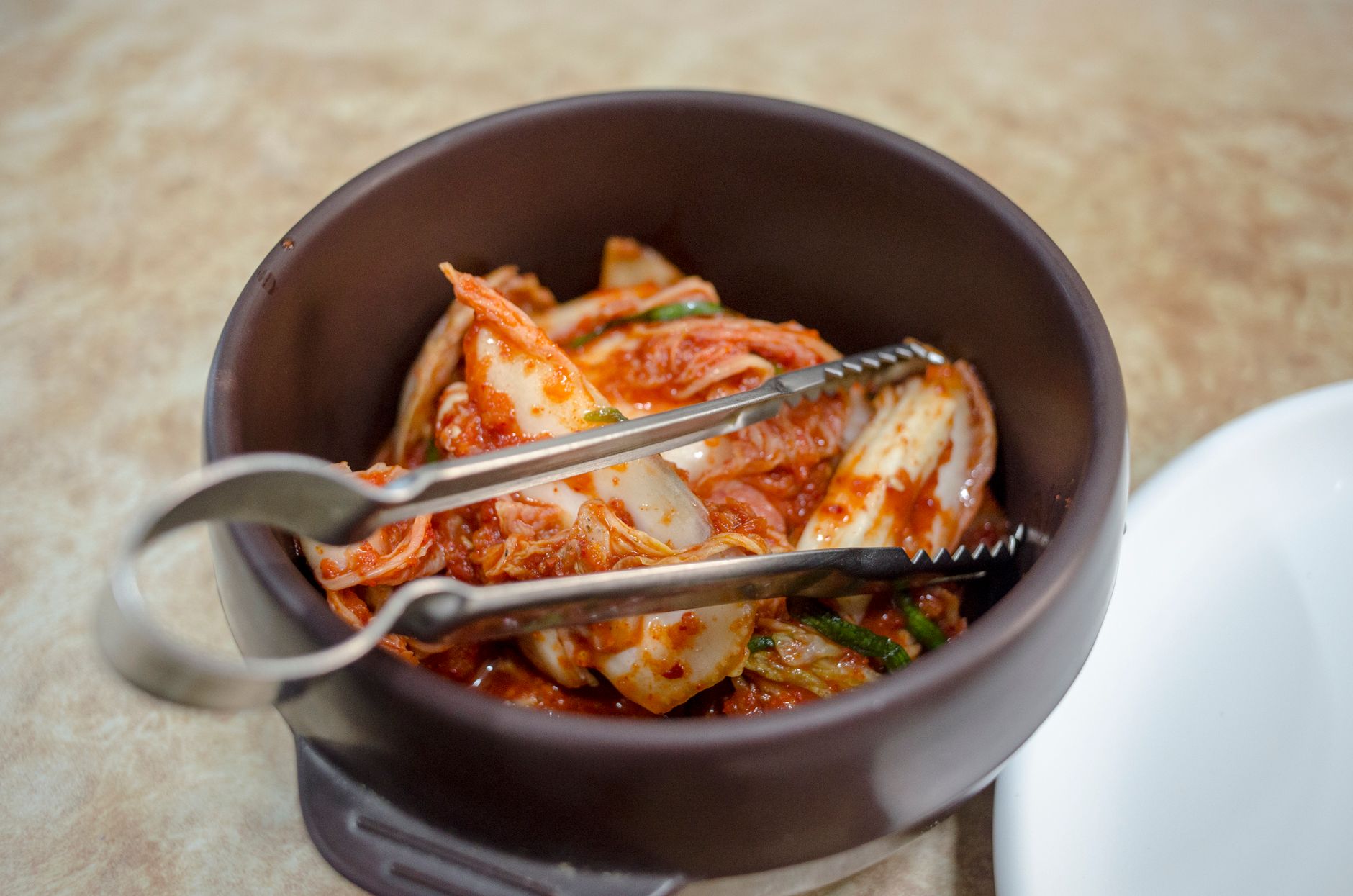
Kimchi is a traditional Korean staple known for its pungent aroma, vibrant color, and complex flavor profile. At its core, kimchi is fermented vegetables, usually napa cabbage and radishes, combined with various seasonings. However, one of the defining characteristics of kimchi is its heat level, which can vary significantly based on several factors.
In this article, we will delve deep into the spiciness of kimchi, exploring its heat level, flavor nuances, and various culinary applications. Whether you’re a kimchi novice or a seasoned fan, understanding this fermented dish will enhance your appreciation and cooking versatility.
How Spicy Is Kimchi?
The spiciness of kimchi primarily depends on the types and amounts of chili peppers used. Most kimchi recipes call for gochugaru, a Korean red pepper flake that can vary in heat, usually ranging from mild to hot. On average, kimchi has a moderate spice level, often around 2,000 to 5,000 Scoville Heat Units (SHU), but there are varieties that can be much hotter.
The Role of Ingredients in Kimchi’s Heat Level
To fully grasp how spicy kimchi can be, it’s crucial to understand the components that contribute to its unique spice profile.
The Importance of Gochugaru
Gochugaru is a key ingredient in many kimchi recipes, providing not only heat but also a smoky, sweet flavor. Its heat level can vary based on the brand and origin, making it essential to taste and adjust according to your preferences. When choosing gochugaru, look for a bright red color and a slightly coarse texture.
Other Spicy Additions
Some variations of kimchi include additional spicy ingredients that enhance the overall heat. These may include:
- Fresh chili peppers: Whole, sliced, or ground fresh peppers can amplify the heat.
- Chili paste: Commercially available spicy pastes can bring a different dimension.
- Fermented seafood: Products such as shrimp paste can impart a briny, spicy flavor.
The Cabbage and Radishes
While the primary heat source comes from the spices, the base ingredients, like napa cabbage and radishes, also play a role in balancing the flavors. The crisp, mild nature of these vegetables helps to moderate the spiciness, making the overall dish more palatable.
Understanding the Heat Scale
The Scoville Heat Scale is a standardized measurement of spiciness. To give you an idea of where kimchi falls on this scale, here are some common reference points:
- Mild kimchi: ~2,000 – 4,000 SHU
- Medium kimchi: ~4,000 – 5,000 SHU
- Hot kimchi: ~5,000 – 10,000 SHU
For context, jalapeño peppers typically range from 2,500 to 8,000 SHU, while habanero peppers can exceed 100,000 SHU. This comparison helps highlight the relative mildness of certain kimchi varieties.
Flavor Considerations Beyond Heat
While spiciness is an essential characteristic, kimchi offers much more in flavor complexity. The fermentation process creates a depth of taste that is influenced by various factors.
Fermentation and Flavor Development
The fermentation process not only preserves the vegetables but also transforms their flavors. As kimchi ages, it develops a tangy, umami-rich profile that can harmonize with the chili flavors. A well-fermented kimchi can provide a satisfying balance between spicy, sour, and savory notes.
Seasonings and Aromatics
Other ingredients used in kimchi recipes, such as garlic, ginger, and fish sauce, contribute to its overall flavor. These elements can introduce additional layers of complexity, enhancing the kimchi experience. For instance:
- Garlic delivers a robust, pungent note.
- Ginger adds a sharp, warming flavor that complements the spice.
- Fish sauce provides a savory depth that enriches the overall dish.
Types of Kimchi and Their Heat Levels
Kimchi comes in countless varieties, each with its unique ingredients and heat levels. Here are a few common types of kimchi with their typical spice profiles:
Baechu Kimchi (Napa Cabbage Kimchi)
The most famous type of kimchi, baechu kimchi, can range from mild to hot. Typically, you can find versions with a moderate heat level around 4,000 SHU, although very spicy varieties are also popular.
Oisobagi (Stuffed Cucumber Kimchi)
This refreshing kimchi features cucumbers stuffed with spices. Oisobagi is generally milder than baechu and often clocks in around 1,500 to 2,000 SHU, making it great for those with a lower spice tolerance.
Dongchimi (Radish Water Kimchi)
Dongchimi is a non-spicy kimchi variant, made with radishes and a briny liquid base. It usually has no heat at all, offering a refreshing and light flavor.
Pa Kimchi (Green Onion Kimchi)
This version features green onions and has a mild to moderate spiciness, typically around 3,000 SHU. It’s often prepared in the summer for a refreshing side dish.
Where to Buy Kimchi
Finding the right kimchi can enhance your culinary experiences. You can explore options in various places:
Asian Grocery Stores
Local Asian supermarkets often carry a wide range of kimchi varieties, both in refrigerated and shelf-stable options. Look for labels indicating the spice level and ingredients.
Health Food Stores
Many health food stores now offer kimchi made with organic ingredients. Check the refrigerated section for artisanal and small-batch options.
Online Retailers
Online shopping opens up a world of options. Many brands sell kimchi with detailed descriptions of their heat levels, allowing you to choose according to your preference.
Cooking with Kimchi
Kimchi is incredibly versatile and can be used in a variety of dishes. Its spiciness and flavor can enhance numerous culinary creations. Here are some popular cooking applications.
Kimchi Fried Rice
This simple dish transforms leftover rice into a delightfully flavorful meal. The kimchi’s spiciness infuses the rice, creating a comforting dish. To make this quick recipe, sauté garlic, add chopped kimchi, stir in cooked rice, and finish with a fried egg on top.
Kimchi Stew (Kimchi Jjigae)
Kimchi can serve as a hearty base for stews like kimchi jjigae. Combine kimchi with tofu, pork or beef, and broth for a warming, comforting dish. The spiciness of the kimchi adds depth and richness to the stew.
Kimchi Pancakes (Kimchi Jeon)
These savory pancakes are a popular snack or appetizer. Simply mix chopped kimchi with a simple batter of flour and water, and pan-fry until crispy. The heat from the kimchi complements the savory pancake flavor.
Kimchi Quesadillas
A fusion dish, kimchi quesadillas combine the spicy fermented flavors with cheese and tortillas. Pairing the tangy heat of kimchi with gooey cheese creates a comforting and exciting meal.
Storing Kimchi
Proper storage ensures that kimchi maintains its flavor and freshness. Here are some tips for storing kimchi:
Refrigeration
Once opened, kimchi should always be stored in the refrigerator to slow down the fermentation process. Ensure that it is in an airtight container to prevent contamination and odor transfer.
Freezing Kimchi
While kimchi can be frozen for longer storage, it may change in texture upon thawing. For cooking purposes, frozen kimchi is still usable and retains its flavor. Portion it into airtight bags, removing excess air before sealing.
Common Mistakes When Making or Using Kimchi
Even seasoned home cooks can make mistakes with kimchi. Here are some common pitfalls and how to avoid them:
Not Tasting as You Go
Kimchi can be adjusted to your preference, so tasting throughout the preparation is essential. If it tastes too spicy, balance it with more vegetables or less gochugaru.
Confusing Kimchi Types
Different kimchi varieties serve different purposes. Knowing which type to use in certain dishes can enhance your cooking. For instance, using a mild kimchi for fried rice may be preferable to prevent overpowering the dish.
Improper Fermentation
Fermentation times can vary based on temperature. If your environment is too warm, kimchi may ferment too quickly, leading to a mushy texture. Conversely, if it’s too cold, it may not ferment well. Aim for a consistent room temperature of around 65°F to 75°F during fermentation.
Bringing It All Together
Kimchi is much more than just a spicy condiment. Its diverse heat levels and complex flavors allow it to enhance a wide array of dishes. Understanding how spicy kimchi is and what influences its heat can elevate your cooking and enjoyment of this cherished dish. From using it in comfort food to appreciating the craft of making it, kimchi holds a significant place in culinary traditions and modern kitchens alike.
With the foundational knowledge acquired, it’s time to explore the delightful realm of kimchi further. Discover ways to incorporate it into your meals, make your own version, or branch out and blend other applications with kimchi. Whether it’s making kimchi-fried rice or trying your hand at kimchi stew, the choices are vast and delicious.
If you’re interested in making your own spicy gochujang sauce, check out our guide on gochujang sauce recipe. Also, if you’re curious about the spiciness level of gochujang itself, you can read more at is gochujang spicy.