
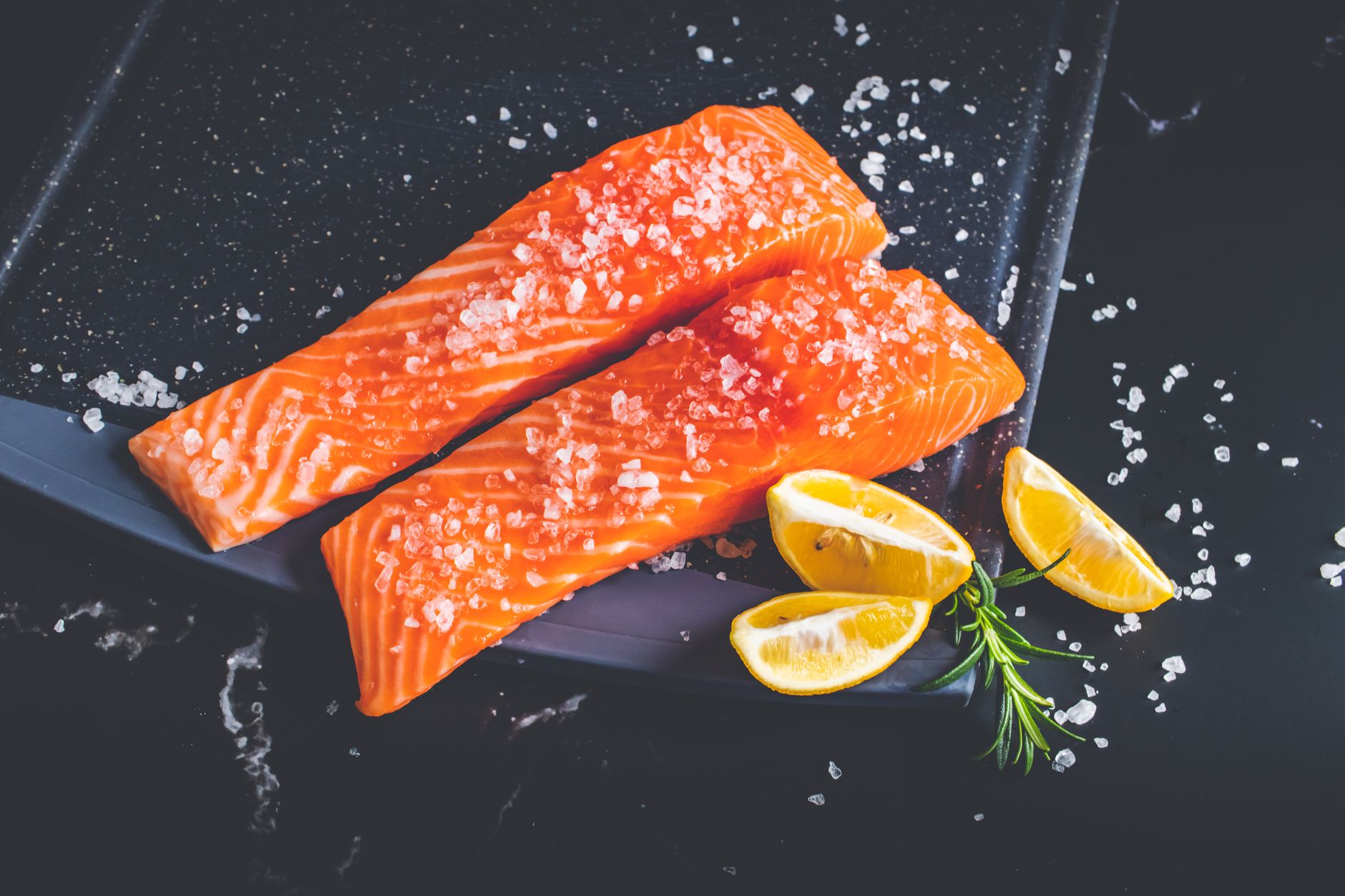
Salmon is a delicious and nutritious option for many meals, but what happens if you have leftovers? Can cooked salmon be frozen for future enjoyment? Yes, cooked salmon can be frozen, allowing you to preserve its flavors and nutritional benefits. However, storing it properly is key to maintaining its quality when thawed.
This article will guide you through the best practices for freezing and thawing cooked salmon, including tips on how to maintain its texture and taste. You’ll gain insights into storage methods, how long it can last in the freezer, and creative ways to use your thawed salmon in future meals.
Can Cooked Salmon Be Frozen?
Yes, cooked salmon can indeed be frozen. When done properly, freezing cooked salmon allows you to enjoy its rich flavor and health benefits at a later date. By following specific storage techniques, you can maintain the quality of the salmon for several months, making it a versatile option for meal prep and quick dinners.
Why Freeze Cooked Salmon?
Freezing cooked salmon has several advantages:
- Meal Prep Friendly: Freezing allows you to prepare meals in advance, saving time on busy days.
- Reduces Waste: If you have leftover salmon, freezing is a practical way to preserve it for future use instead of letting it go to waste.
- Nutritional Retention: Freezing helps retain the beneficial nutrients found in salmon, including omega-3 fatty acids and protein.
How to Freeze Cooked Salmon Properly
To effectively freeze cooked salmon, follow these key steps to ensure that it retains its flavor and texture:
1. Allow Salmon to Cool
Before freezing cooked salmon, let it cool to room temperature. This prevents condensation from forming in the freezer, which can lead to ice crystals and freezer burn.
2. Prepare Portions
Consider portioning the salmon into individual servings before freezing. This makes it easier to thaw only what you need later and helps maintain quality.
3. Use Air-tight Packaging
Utilize freezer-safe containers or heavy-duty aluminum foil. You can also use vacuum-seal bags, which remove air and further protect the salmon from freezer burn.
4. Label and Date
Be sure to label each package with the date you are freezing the salmon and the type of dish it is. This helps keep track of how long ingredients have been stored.
5. Freeze without Delay
Place the salmon in the freezer as soon as it’s prepared and packaged appropriately. The faster the salmon freezes, the better its texture and flavor will be when thawed.
How Long Can Cooked Salmon Be Frozen?
Cooked salmon can typically be frozen for up to 6 months. While it may remain safe to eat beyond this timeframe, its quality may deteriorate. To optimize flavor and texture, consume within the recommended period.
Thawing Frozen Cooked Salmon
Thawing frozen salmon requires care to avoid compromising its texture and taste. Here are the best methods:
1. Refrigerator Thawing
The safest way to thaw salmon is in the refrigerator. Transfer the package to the fridge and allow it to thaw gently overnight. This method ensures that the salmon remains at a safe temperature.
2. Cold Water Thawing
If you need to thaw it more quickly, you can submerge the sealed salmon in cold water. Change the water every 30 minutes until it’s thawed. This usually takes about an hour.
3. Microwave Thawing
While not ideal, salmon can be thawed in the microwave. Use the defrost setting and check regularly to avoid starting to cook the fish. This method can affect the texture, so it’s best reserved for last-minute needs.
How to Reheat Cooked Salmon
Once your cooked salmon has been thawed, you may need to reheat it. Here are effective methods:
1. Oven Reheating
- Preheat your oven to 300°F (150°C).
- Transfer the salmon to a baking dish and cover it loosely with aluminum foil.
- Reheat for about 15-20 minutes or until warmed through. The internal temperature should reach 165°F (74°C).
2. Stovetop Reheating
- In a skillet over low heat, add a small amount of oil or butter.
- Add the salmon, covering it with a lid to retain moisture.
- Heat for about 5-10 minutes or until warmed through.
3. Microwave Reheating
- Place the salmon on a microwave-safe plate.
- Cover it with a damp paper towel to retain moisture.
- Reheat in 30-second intervals, checking until it reaches the desired temperature.
Creative Ways to Use Thawed Cooked Salmon
Thawed cooked salmon can be transformed into a variety of delicious meals. Here are some ideas:
- Salmon Salad: Flake the salmon and mix it into a salad with greens, avocado, and a lemon vinaigrette.
- Salmon Tacos: Use warmed tortillas and top with flaked salmon, cabbage slaw, and avocado for a fresh taco twist.
- Salmon Pasta: Toss pasta with olive oil, garlic, and flaked salmon for a quick and easy meal.
- Salmon Fried Rice: Stir-fry rice with vegetables and add salmon for a hearty dish.
Common Mistakes to Avoid When Freezing Cooked Salmon
To ensure the quality of your frozen salmon, avoid these common pitfalls:
- Not Cooling the Salmon: Skipping the cooling step can introduce moisture into the packaging.
- Freezer Burn: Failing to use airtight packaging can lead to freezer burn, affecting texture and flavor.
- Long Storage: Keeping salmon in the freezer for longer than six months can degrade its quality.
- Thawing at Room Temperature: Always thaw in the refrigerator or cold water to prevent bacterial growth.
Conclusion
Cooked salmon can be frozen effectively with the right techniques, allowing for convenient meal prep and waste reduction. Always remember to cool, portion, and package properly, and opt for safe thawing and reheating practices. Enjoy the flexibility and flavor of cooked salmon even after it leaves the dinner table!
For more insights on food storage and meal prepping, explore our guides on how long cooked chicken lasts and how long chicken is good for in the fridge.