
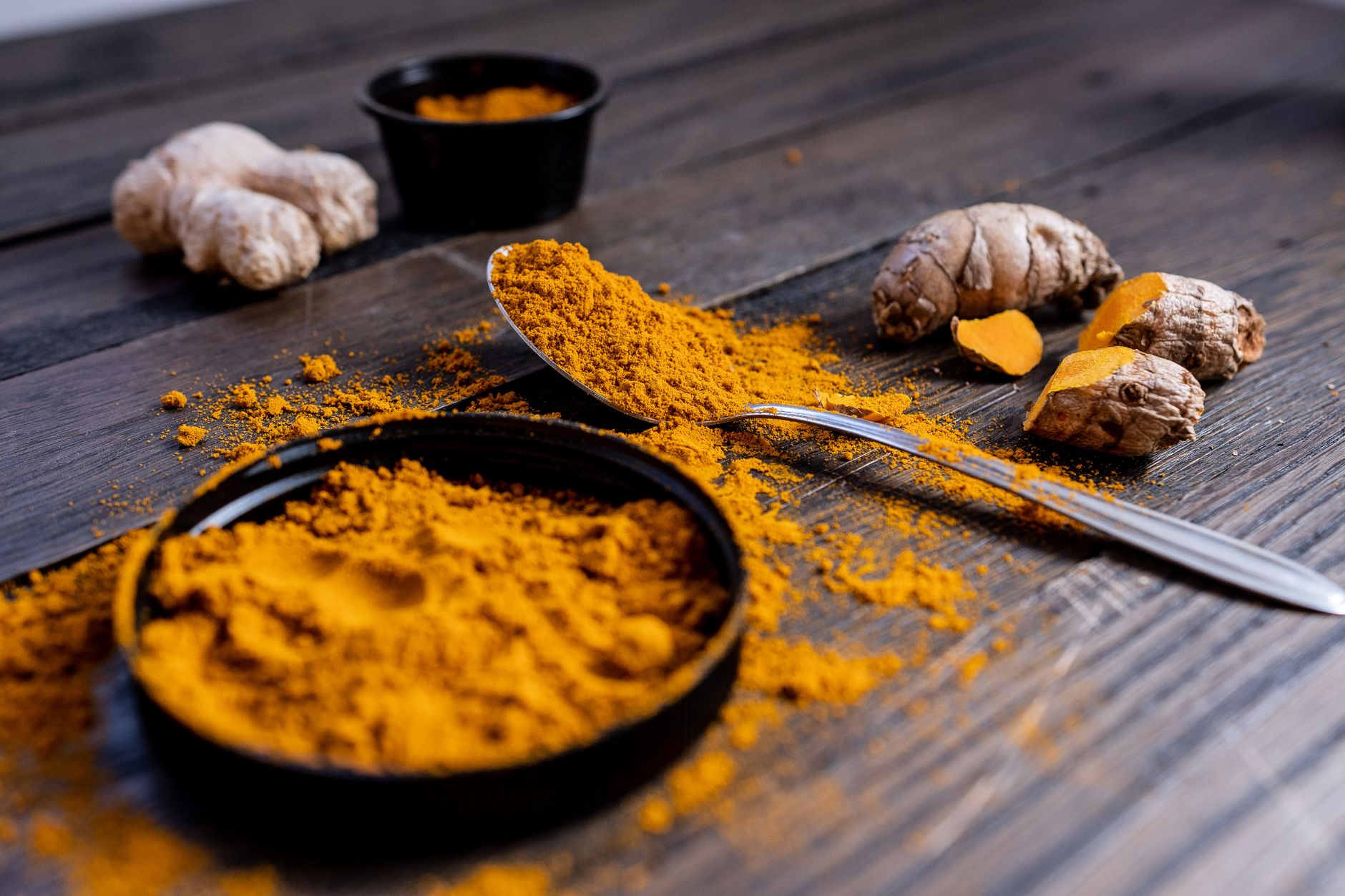
Natural anti-inflammatories are substances derived from food or plants that help reduce inflammation in the body without the side effects associated with pharmaceutical options. Incorporating these ingredients into your diet can support overall health, contributing to better physical well-being and managing chronic conditions.
This article explores what natural anti-inflammatories are, the dietary choices that can help combat inflammation, and practical meal planning strategies. We will also discuss specific foods that are great anti-inflammatories and share tips on how to effectively include them in your meals.
What Is a Natural Anti Inflammatory?
A natural anti-inflammatory is a food or food ingredient known for its ability to combat inflammation within the body. Chronic inflammation is linked to various health issues, including heart disease, diabetes, arthritis, and even cancer. Natural anti-inflammatories often contain antioxidants, vitamins, and minerals that help reduce inflammation.
Common examples include turmeric, ginger, garlic, leafy greens, and fatty fish. These foods can be easily incorporated into your diet, whether through meals, snacks, or beverages.
Why Is Inflammation Important?
Inflammation is a natural response of the immune system to infection, injury, or harmful stimuli. Acute inflammation helps the body heal, but chronic inflammation can lead to various diseases. Identifying and managing inflammation can improve overall health and well-being.
By integrating natural anti-inflammatories into your diet, you can help your body cope with daily stressors and reduce the likelihood of developing chronic inflammatory conditions.
Key Foods That Are Natural Anti Inflammatories
Many foods possess anti-inflammatory properties. Here are some of the most effective ones you should consider adding to your diet:
- Turmeric: Contains curcumin, a powerful anti-inflammatory compound.
- Ginger: Known for its anti-inflammatory effects, it can be used in teas, soups, and marinades.
- Garlic: A common kitchen staple that not only adds flavor but also has anti-inflammatory and antioxidant properties.
- Berries: Rich in antioxidants, particularly flavonoids, which help reduce inflammation markers.
- Leafy Greens: Spinach, kale, and other greens contain vitamins and minerals beneficial for fighting inflammation.
- Olive Oil: A staple of the Mediterranean diet, it’s rich in oleocanthal, known for its anti-inflammatory effects similar to non-steroidal anti-inflammatory drugs.
- Fatty Fish: High in omega-3 fatty acids, salmon, mackerel, and sardines are excellent choices.
- Nuts: Walnuts and almonds are examples that provide healthy fats and antioxidants.
- Chia Seeds: These tiny seeds are packed with omega-3 fatty acids, fiber, and protein.
How to Incorporate Natural Anti Inflammatories in Your Diet
To maximize the benefits of natural anti-inflammatories, it’s essential to know how to incorporate them into your daily meals. Here are some practical tips:
Breakfast Ideas
- Chia Pudding: Combine chia seeds with almond milk and let sit overnight. In the morning, add berries and a sprinkle of cinnamon—a delicious and anti-inflammatory start to your day.
- Smoothies: Blend leafy greens, ginger, turmeric, banana, and almond milk for a nutrient-packed breakfast.
- Oatmeal: Top a bowl of oatmeal with walnuts, sliced bananas, and a drizzle of honey or maple syrup.
Lunch Suggestions
- Salads: Create a vibrant salad with spinach, mixed berries, walnuts, and a dressing made from olive oil and lemon juice.
- Soups: Make a hearty lentil soup with carrots, celery, garlic, and ginger for a satisfying, anti-inflammatory meal.
- Wraps: Use whole grain wraps filled with leafy greens, grilled chicken, slices of avocado, and a sprinkle of turmeric or ginger.
Dinner Options
- Baked Salmon: Season salmon fillets with olive oil, garlic, and herbs. Serve with a side of quinoa and steamed broccoli.
- Vegetable Stir-Fry: Use a mix of bell peppers, carrots, and broccoli sautéed in olive oil and garlic; serve over brown rice or quinoa.
Snacks and Desserts
- Hummus: Serve homemade hummus with carrot and cucumber sticks. Add spices like cumin and garlic for extra flavor and benefits.
- Berry Parfait: Layer yogurt, fresh berries, and a sprinkle of chopped nuts for a refreshing dessert.
Meal Planning and Portion Guidance
When integrating natural anti-inflammatories into your diet, planning meals in advance can simplify the process. Here are some practical meal-planning ideas:
Creating a Weekly Menu
Organize a weekly menu that incorporates different anti-inflammatory foods. Here is a sample meal plan:
| Day | Breakfast | Lunch | Dinner | Snack |
|---|---|---|---|---|
| Monday | Chia Pudding | Spinach and Berry Salad | Baked Salmon with Quinoa | Hummus and Veggies |
| Tuesday | Green Smoothie | Lentil Soup | Vegetable Stir-Fry | Yogurt with Berries |
| Wednesday | Oatmeal with Walnuts | Whole Grain Wrap with Chicken | Chili with Garlic | Chia Pudding |
| Thursday | Berry Smoothie Bowl | Quinoa Salad with Olives | Grilled Fish with Veggies | Popcorn with Olive Oil |
| Friday | Pancakes with Fresh Berries | Vegetable Soup | Stuffed Peppers | Almonds and Cherries |
Portion Control and Balance
In addition to selecting anti-inflammatory foods, it’s essential to practice portion control and balance. Here are some guidelines:
- Proteins: Aim for a serving size of about 3-4 ounces for major protein sources like fish or chicken.
- Whole Grains: A standard serving of cooked grains is about ½ cup.
- Vegetables: Fill half your plate with a variety of colorful veggies at every meal.
- Nuts and Seeds: A small handful (about 1 ounce) is sufficient for snacks or toppings.
Practical Substitutions
Incorporating natural anti-inflammatories doesn’t necessitate a complete dietary overhaul. Here are some simple substitutions you can consider:
- Swap regular oil for olive oil: Olive oil carries anti-inflammatory benefits.
- Substitute white rice with quinoa or brown rice: These options offer more nutrients and fiber.
- Replace regular bread with whole grain options: Whole grain bread retains more nutrients.
Common Mistakes and Troubleshooting Tips
Integrating anti-inflammatory foods into your diet can be a learning experience. Here are common pitfalls to avoid:
- Overcomplicating meals: Stick to simple meal ideas and gradually incorporate new ingredients.
- Neglecting portion sizes: Even healthy foods can contribute to weight gain if consumed in excessive amounts.
To troubleshoot any issues with flavors or textures, consider trying different cooking methods, such as roasting instead of boiling, to add depth to your dishes. Spices and herbs can also enhance overall flavor without adding extra calories.
Storage Tips for Anti-Inflammatory Ingredients
Proper storage of your ingredients can help maximize their potency and usage:
- Herbs and Greens: Store leafy greens in the fridge, preferably wrapped in a damp paper towel to keep them fresh.
- Nuts and Seeds: Keep your nuts and seeds in an airtight container in a cool, dark place or the refrigerator.
- Spices: To maintain potency, store spices in a cool, dark place and use them within six months for maximum flavor.
Exploring Further: Cooking Techniques and Recipes
Utilizing different cooking techniques can elevate your dish’s flavor while retaining the nutritional benefits of anti-inflammatory ingredients. Consider the following methods:
- Roasting: Enhances the sweetness of vegetables and infuses complex flavors, ideal for beets or carrots.
- Steaming: Maintains nutrients in vegetables while keeping them tender.
- Marinating: Use olive oil with garlic and herbs to marinate proteins, imparting flavor and adding health benefits.
Conclusion
Incorporating natural anti-inflammatories into your diet can have a profound impact on your health. By including vibrant fruits, vegetables, healthy fats, and whole grains, you can create meals that are both delicious and provide necessary health benefits. Explore different dishes and gradually introduce these powerful ingredients into your routines.
Now that you have a deeper understanding of natural anti-inflammatories, consider exploring more in-depth guides, such as whether moringa is good for you or how to make chia pudding with coconut milk. These resources will provide further insight into enriching your meals with healthy choices.