
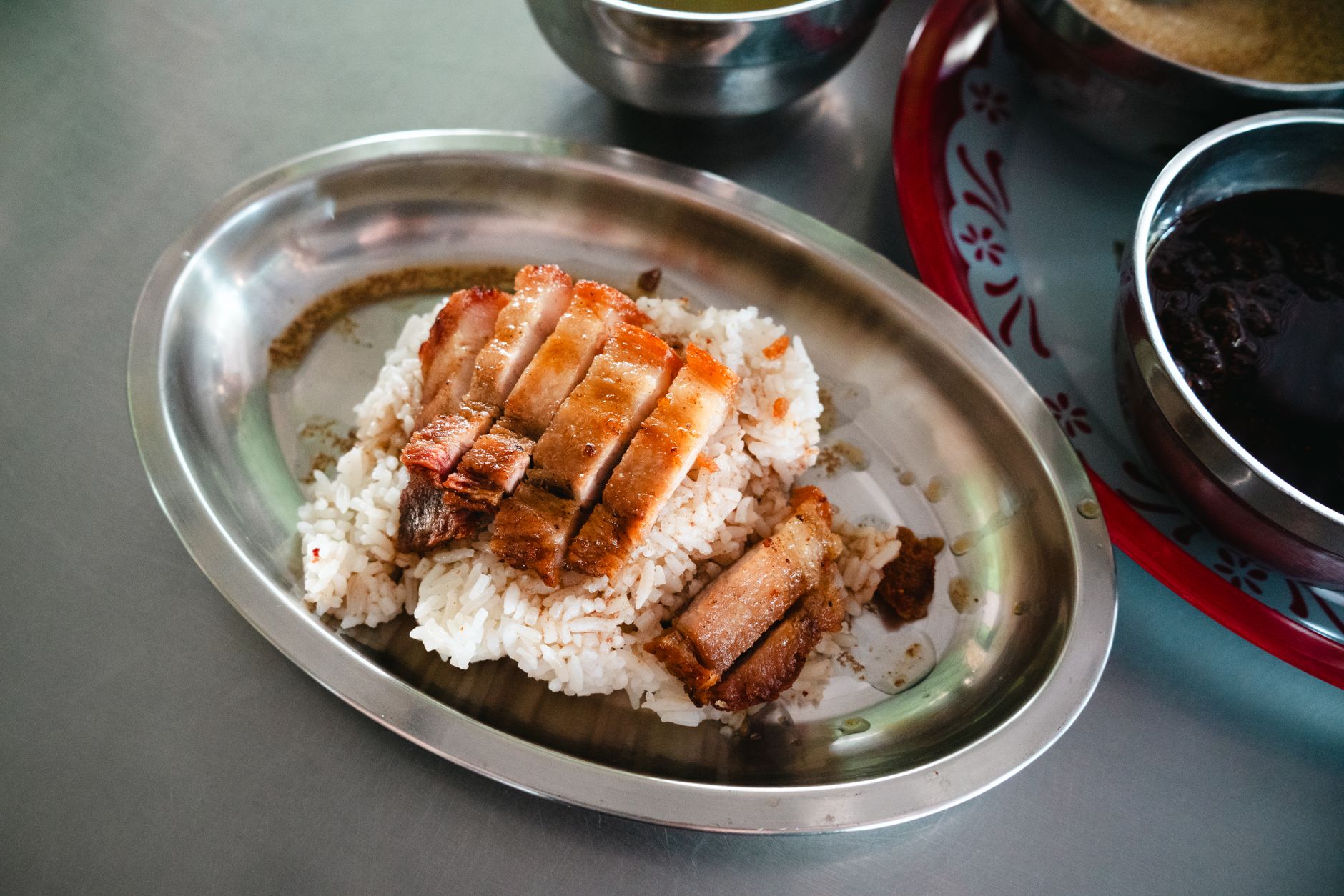
Salted pork, also known as salt pork, is a preserved meat product made by curing pork with salt. It has been a staple in various cuisines around the world, particularly in regions where refrigeration is not readily available. Salted pork offers a unique flavor profile and a range of culinary uses that make it a fascinating ingredient to explore.
This article dives into what salted pork is, its ingredients, flavor characteristics, and how to serve it in a variety of dishes. Whether you are looking to incorporate salted pork into your recipes or just understand its historical significance, we’ve got you covered.
What Is Salted Pork?
Salted pork is the result of a preservation technique that uses sodium chloride (salt) to cure pork, helping to prolong its shelf life and enhance its flavor. The process involves rubbing the pork with salt and sometimes spices, allowing it to marinate for several days. This method was essential for preserving meat before the advent of modern refrigeration, making it popular among sailors and travelers as a reliable source of protein.
Ingredients of Salted Pork
The primary ingredients of salted pork are quite straightforward, focusing mainly on pork and salt. However, variations can include additional spices and flavorings to enhance the taste. Here’s a breakdown of the main components:
- Pork: Typically, the cuts used are fatty and can range from pork belly to pork shoulder. The fat content aids in preservation and adds flavor.
- Salt: The curing process relies heavily on salt, which draws moisture out of the meat. This dehydration prevents the growth of spoilage-causing bacteria.
- Optional Spices: Black pepper, bay leaves, and other spices can be added for flavor. The specific spices used can vary by region and recipe.
Flavor Profile of Salted Pork
Salted pork has a robust, savory flavor that can add depth to numerous dishes. The salting process enhances the meat’s natural umami qualities, resulting in a rich taste that is both salty and slightly sweet due to the natural sugars in the pork. The texture is usually very firm due to dehydration, making it suitable for several cooking methods.
How to Serve Salted Pork
There are countless ways to use salted pork in your cooking. Here are some popular methods and dishes where this ingredient shines:
1. Cooking Methods
- Boiling: A common method to soften the meat and reduce its saltiness before using it in various recipes.
- Sautéing: Adds great flavor to dishes; typically combined with onions, garlic, and vegetables for a hearty meal.
- Slow Cooking: Works well in stews and braises, where the salted pork can infuse the liquid and other ingredients with its rich flavor.
2. Popular Dishes with Salted Pork
Salted pork can be utilized in a broad array of dishes:
- Beans and Salted Pork: A classic dish that combines beans with diced salted pork, simmered together to create a comforting meal.
- Collard Greens: Often cooked with salted pork, which adds a savory element that complements the vegetables beautifully.
- Salted Pork Stew: This dish features chunks of salted pork simmered alongside root vegetables and spices for a filling and hearty meal.
- Chowder: Salted pork can be added to clam chowder or corn chowder, providing a unique twist on traditional recipes.
3. Preparing Salted Pork
When using salted pork in your cooking, it’s essential to prepare it properly to balance the saltiness and enhance its flavor:
- Rinse: Before cooking, rinse the salted pork under cold water to remove excess salt. This step helps to mellow out the flavor.
- Soak: You may also soak the meat in water for several hours or overnight if the flavor is still too intense. Be sure to change the water periodically.
- Cook Low and Slow: Allow the salted pork to cook slowly in your dish to ensure it becomes tender while imparting its flavors.
Substitutions for Salted Pork
If you don’t have salted pork on hand, or you need to modify your dish for dietary preferences, there are several alternatives you can consider:
- Bacon: Offers similar flavors and can provide a smokiness that some dishes may benefit from.
- Ham Hocks: Can be used in soups and stews as a flavorful substitute, providing texture and depth.
- Smoked Sausage: A suitable replacement in recipes requiring a hearty meat component.
- Vegetarian Options: For a vegetarian alternative, consider smoked tempeh or mushrooms, which can provide a smoky flavor while remaining meat-free.
Common Mistakes with Salted Pork
When cooking with salted pork, keep the following tips in mind to avoid common pitfalls:
- Not Rinsing or Soaking: Failing to remove excess salt can result in an overly salty dish. Always rinse and soak if necessary.
- Ignoring Cooking Time: Salted pork can take longer to cook than fresh cuts. Be sure to allow ample time for it to become tender.
- Overcooking: While slow cooking is beneficial, be careful not to overdo it. Prolonged cooking can lead to a loss of flavor and texture.
Storage and Reheating of Salted Pork
When it comes to storing salted pork, proper handling is important to maintain its quality:
- Refrigeration: Store unused salted pork in an airtight container in the refrigerator to preserve its freshness.
- Freezing: If you wish to keep it longer, you may freeze salted pork. Wrap it tightly in plastic wrap or aluminum foil, then place it in a freezer bag. This method can extend its shelf life for several months.
- Reheating: Reheat salted pork gently on the stove over low heat to avoid drying it out. Adding a splash of water or broth can help retain moisture.
Using Salted Pork in Various Cuisines
Salted pork is not limited to one culinary tradition; it appears in various regional cuisines worldwide:
1. Southern Cuisine
In Southern cooking, salted pork often finds its way into dishes like greens and baked beans. It’s cherished for the rich flavor it imparts to meals that incorporate fresh vegetables.
2. Caribbean Cuisine
The Caribbean offers dishes like ackee and saltfish, where salted pork is an integral part of the meal, demonstrating its versatility in regional specialties.
3. European Cuisine
In some European countries, salted pork is used in traditional stews and soups, showcasing its importance in historical preservation techniques.
Conclusion
Salted pork is a unique ingredient with a rich history and versatile flavor profile. By understanding its uses, preparations, and cultural significance, you can explore a wide variety of delicious dishes that celebrate this traditional preserved meat. Whether it’s a slow-cooked stew or a side of sautéed greens, incorporating salted pork in your kitchen can enhance the depth and quality of your meals.
For further inspiration, consider checking out how to make a flavorful pork chop marinade or learn about tasso, another type of cured pork that can broaden your culinary horizons.