
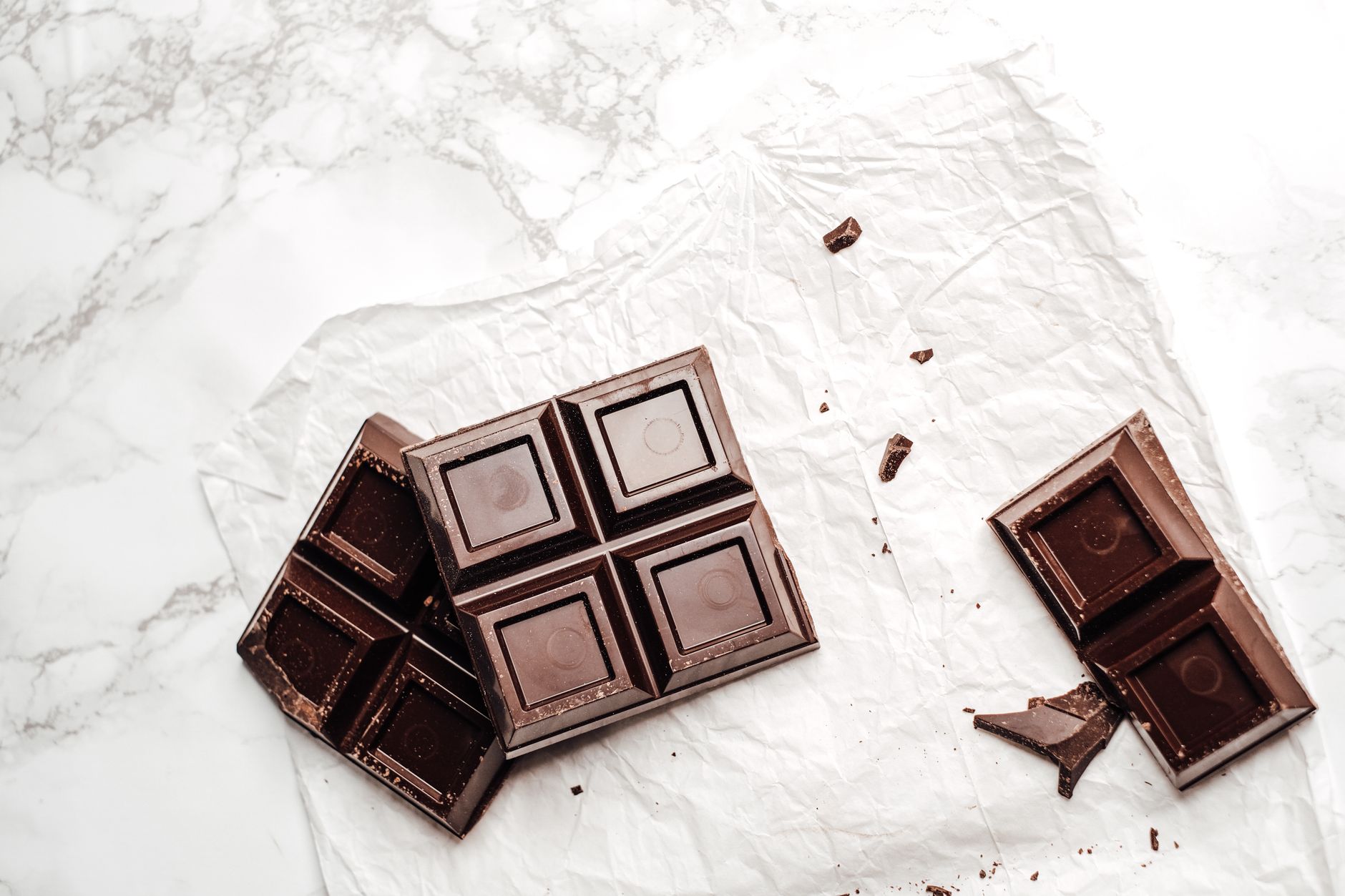
Choosing the best dark chocolate can enhance both your dessert repertoire and snacking experience. With various types, brands, and cocoa content levels available, understanding what makes dark chocolate stand out will empower you to make informed choices—be it for baking, cooking, or enjoying on its own.
This guide explores different types of dark chocolate, factors that determine quality, kitchen uses, and tips for selecting the perfect bar for various applications.
What Is the Best Dark Chocolate?
The best dark chocolate is defined by its cocoa content, flavor profile, and quality of ingredients. Typically, dark chocolate contains at least 70% cocoa solids, which provides a robust flavor. Moreover, quality dark chocolates should have minimal additives and a smooth texture, making them suitable for baking, cooking, or enjoying outright.
Understanding Dark Chocolate: The Basics
Dark chocolate, often referred to as plain or semisweet chocolate, is primarily made from cocoa solids, cocoa butter, and sugar. It lacks the milk solids found in milk chocolate, allowing its rich cocoa flavor to shine. Understanding the components of dark chocolate can help in selecting the right variety for your needs.
Cocoa Content
The cocoa content is a critical indicator of chocolate’s flavor intensity. Generally, the higher the percentage, the more pronounced and bittersweet the flavor. Here’s how the percentages break down:
- 60% to 70% cocoa: These chocolates are semi-sweet and often preferred for baking as they strike a balance between sweetness and cocoa depth.
- 70% to 85% cocoa: These varieties offer a richer, more intense flavor with less sweetness, making them ideal for snacking or pairing with wines.
- 85% cocoa and higher: These chocolates are very dark and can be quite bitter. They are often enjoyed in small quantities or used in gourmet dishes.
Flavor Profiles
Dark chocolate features a range of flavors that can be influenced by factors such as the bean variety, growing region, and production methods. When selecting dark chocolate, consider the flavor profile:
- Fruity: Some dark chocolates have berry or citrus notes, often found in chocolates made from certain regions like Madagascar.
- Nutty: Chocolates sourced from regions like Ecuador may have a nutty flavor, perfect for pairing with roasted nuts or coffees.
- Spicy: Some chocolates may offer hints of spice or earthiness, complementing rich desserts or savory dishes.
How to Choose the Best Dark Chocolate
When selecting dark chocolate, keep these criteria in mind to ensure you’re picking the best quality:
Look for Quality Ingredients
Great dark chocolate should feature high-quality cocoa beans and minimal additives. Avoid brands with unnecessary preservatives, artificial flavors, or vegetable oils. Opt for chocolate that lists cocoa or cocoa butter as the main ingredient, followed by sugar.
Check the Cocoa Percentage
As previously mentioned, cocoa percentage influences flavor. If you prefer a subtle sweetness, select dark chocolate with lower percentages (around 60%). For more intense flavors, go for 70% or higher.
Read the Label for Certifications
Certifications can indicate high-quality chocolate. Look for Fair Trade or organic labels, which suggest ethical sourcing and sustainable practices. These certifications often lead to better flavor due to superior bean quality.
Types of Dark Chocolate
Dark chocolate comes in various forms, each with specific uses. Familiarizing yourself with these types can help you select the best fit for your culinary projects.
Bittersweet Chocolate
This type typically contains 60% to 70% cocoa and is commonly used in baking. Bittersweet chocolate chips are available for cookies or brownies, providing a rich cocoa flavor balanced with sweetness.
Semi-Sweet Chocolate
Semi-sweet chocolate has a slightly lower cocoa content than bittersweet, usually around 50% to 60%. It is versatile, perfect for baking and snacking, as well as melting for sauces or glazes.
Unsweetened Chocolate
Containing 100% cocoa solids and no sugar, unsweetened chocolate is often used in baking. It’s perfect when you can control the sweetness of a recipe, such as brownies or chocolate cakes.
Dark Couverture Chocolate
This high-quality chocolate, typically used by professional chefs, has a high cocoa butter content (often above 30%). It melts smoothly and is excellent for tempering and coating, making it ideal for creating chocolates or confections.
Single-Origin Chocolate
These chocolates come from a specific region, offering unique flavors based on the area’s soil, climate, and harvesting methods. Look for single-origin bars for an elevated tasting experience.
Kitchen Uses for Dark Chocolate
Dark chocolate is a versatile ingredient that can enhance both sweet and savory dishes. Here are some kitchen uses to consider.
Baking with Dark Chocolate
Utilizing dark chocolate in baking can add depth and richness to your desserts:
- Cakes: Incorporate melted dark chocolate into your batter for a for an intense chocolate flavor in cakes.
- Cookies: Use dark chocolate chunks in cookie recipes to bring a delightful contrast to sweetness.
- Brownies: Replace milk chocolate with dark for richer, fudgier brownies.
Making Chocolate Ganache
Dark chocolate can create a luxurious ganache, perfect for glazing cakes or making truffles. Combine equal parts of chopped dark chocolate and heavy cream, heat until melted, and stir until smooth for a silky finish.
Chocolate Mousse
Dark chocolate adds complexity to mousse. Melt dark chocolate, fold it into whipped cream and beaten egg whites, and chill for a decadent dessert.
Tips for Storing Dark Chocolate
Proper storage of dark chocolate is essential to maintain its flavor and texture. Here are some tips:
- Cool, Dry Place: Store chocolate at room temperature, away from light, humidity, and strong odors. Avoid the fridge, as moisture can lead to sugar bloom.
- Airtight Container: If you’ve opened a bar, keep it in an airtight container to prevent exposure to air, which can degrade quality.
- Long-Term Storage: For long-term storage, consider wrapping the chocolate tightly in foil and placing it in a cool, dark location.
Practical Substitutions in Recipes
If you’re in the middle of a recipe but realize you’re short on dark chocolate, there are some practical substitutions:
- Cocoa Powder: For every ounce of dark chocolate called for, substitute 3 tablespoons of cocoa powder and 1 tablespoon of fat (such as butter or oil).
- Milk Chocolate: If you’re substituting milk chocolate for dark chocolate in recipes, increase sugar and reduce sweetness in the overall recipe.
- Carob: For a caffeine-free option, use carob powder, understanding that the flavor will differ significantly.
Common Mistakes When Using Dark Chocolate
When cooking with dark chocolate, avoid these mistakes to ensure the best results:
- Overheating: Chocolate can scorch if overheated. Always melt it slowly using a double boiler or microwave in short bursts.
- Skipping Tempering: When working with couverture chocolate, temper it properly to achieve a glossy finish and satisfying snap.
- Ignoring Pairing: Be cautious when pairing dark chocolate with ingredients like strong spices; balance is key.
Pairing Dark Chocolate with Other Ingredients
Dark chocolate can be harmoniously paired with various flavors to create delicious combinations:
- Fruit: Dark chocolate pairs excellently with berries, citrus fruits, and bananas. Consider drizzling melted chocolate over fruit platters.
- Nuts: Almonds, hazelnuts, and pistachios offer delightful crunch and flavor depth.
- Spices: Cinnamon and chili powder can provide a unique flavor twist when mixed with dark chocolate.
Conclusion
Finding the best dark chocolate involves understanding cocoa content, ingredient quality, and flavor profiles. Remember to experiment with different types and uses of dark chocolate in your culinary creations. Whether you’re baking brownies, making a rich ganache, or simply enjoying a square as a snack, choosing high-quality dark chocolate will enhance your experience.
For a tasty drink, check out our Mexican Hot Chocolate recipe. You might also be interested in our Dubai Chocolate recipe for unique chocolate flavors. Explore these resources to elevate your dark chocolate experience!