
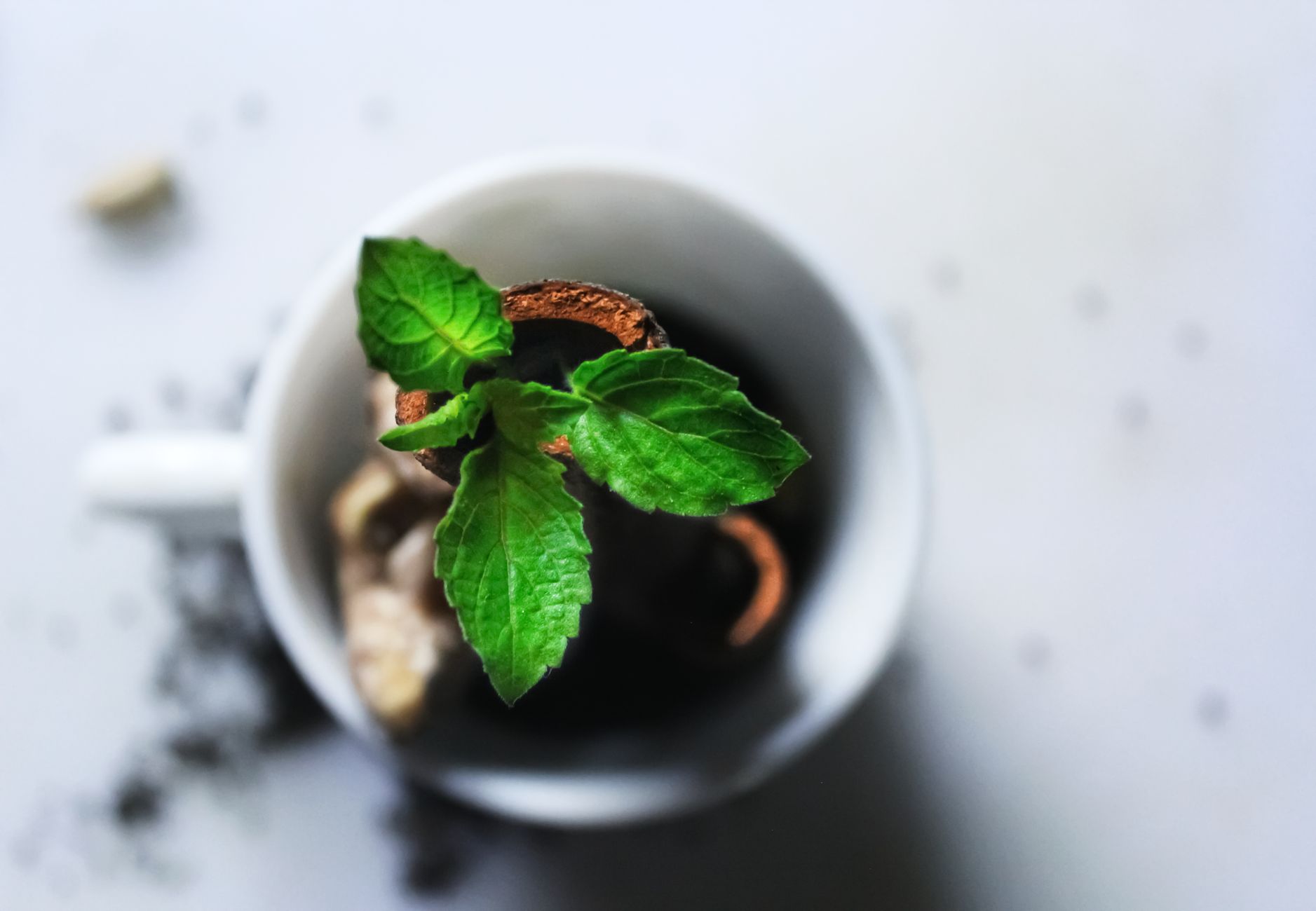
Peppermint tea is a soothing herbal beverage famous for its fresh minty flavor and potential health benefits. Many enthusiasts wonder if this invigorating drink can alleviate symptoms of acid reflux, a condition characterized by a burning sensation in the chest and throat due to stomach acid rising into the esophagus. Understanding the relationship between peppermint tea and acid reflux can help you make informed choices about your beverage options.
This article will explore how peppermint tea interacts with acid reflux, what factors to consider, and whether it can be a helpful addition to your diet. We will also discuss the ideal portions, dietary considerations, and practical serving suggestions to enhance your peppermint tea experience.
Can Peppermint Tea Help with Acid Reflux?
Peppermint tea is often thought to provide digestive benefits, including relieving stomach discomfort. However, it’s important to note that peppermint may actually trigger acid reflux in some individuals. While it can soothe the stomach, its relaxing effect on the muscles of the gastrointestinal tract can lead to the relaxing of the lower esophageal sphincter (LES), allowing acid to escape into the esophagus. Therefore, the effectiveness of peppermint tea in alleviating acid reflux varies from person to person.
Understanding Acid Reflux
Before diving into the specifics of peppermint tea, it’s essential to understand what acid reflux is and how it can affect your daily life. Acid reflux occurs when stomach acid flows back into the esophagus, leading to discomfort and a range of unpleasant symptoms.
Common symptoms of acid reflux include:
- Heartburn
- Regurgitation of food or sour liquid
- Difficulty swallowing
- The sensation of a lump in the throat
- Coughing or wheezing
Managing these symptoms often involves lifestyle and dietary changes, including the choice of beverages.
The Role of Peppermint in Digestion
Peppermint, the key ingredient in peppermint tea, has been used for centuries for its digestive properties. It is known to act as a carminative, helping to relieve gas, bloating, and discomfort in the gastrointestinal tract. Tributes to its medicinal properties can be traced back to ancient civilizations, where peppermint was utilized for its refreshing flavor and soothing effects on the digestive system.
The active compounds in peppermint, primarily menthol, can relax the muscles of the GI tract, which can reduce spasms and relieve digestive distress for some people. However, this muscle relaxation can also contribute to the release of stomach acid into the esophagus for others, particularly those prone to acid reflux.
When Peppermint Tea Might Be Beneficial
While there’s a risk of peppermint tea exacerbating acid reflux, it may also provide relief under some conditions. Here are several scenarios when peppermint tea might be helpful:
1. Mild Digestive Disturbances
If you experience mild digestive discomfort that does not involve significant acid reflux issues, peppermint tea can calm the stomach and promote digestion.
2. Before Meals
Drinking peppermint tea before meals might help stimulate digestion and prevent bloating, making it suitable for some individuals who do not experience reflux symptoms.
3. Stress Reduction
The aromatic nature of peppermint can help reduce stress, which is often a trigger for acid reflux. If stress is a major factor in your reflux symptoms, peppermint tea may provide mental relief.
4. After Eating (For Non-Reflux Sufferers)
If you do not face reflux but experience other digestive issues, sipping peppermint tea after meals can help soothe stomach discomfort and aid in digestion.
When Peppermint Tea Might Exacerbate Acid Reflux
For some individuals, certain conditions may lead to an aggravation of acid reflux symptoms when consuming peppermint tea:
1. Pre-existing GERD
Gastroesophageal reflux disease (GERD) is a more serious condition of acid reflux. If you suffer from GERD, peppermint tea may not be advisable since it can worsen symptoms by relaxing the lower esophageal sphincter.
2. Timing of Consumption
Consuming peppermint tea immediately after meals may trigger reflux symptoms for some individuals. It’s essential to pay attention to your body and identify what works best for you.
3. Overconsumption
While a moderate amount of peppermint tea can be enjoyable, excessive consumption may lead to increased risk of reflux symptoms. Moderation is key.
Dietary Considerations and Portioning
When considering incorporating peppermint tea into your diet, moderation and individual responses are essential. Here are some tips to help you find the right balance:
1. Start Slowly
If you are new to peppermint tea or have had issues with acid reflux in the past, start with a small amount, such as half a cup, and monitor your body’s reaction before increasing the portion size.
2. Recommended Serving Size
A typical serving size of peppermint tea ranges from 1 to 2 cups per day. Avoid consuming it on an empty stomach or immediately after meals to reduce the risk of acid reflux.
3. Instinctive Eating
Pay attention to how your body reacts after consuming peppermint tea. If you notice an increase in acid reflux symptoms, it may be prudent to limit or avoid it altogether.
Preparing Peppermint Tea
Making peppermint tea at home is straightforward and can be customized according to your taste. Below are the steps for preparing a refreshing cup of peppermint tea:
Essential Equipment
- Tea kettle or pot
- Teapot or cup
- Measuring spoon (if using dried leaves)
- Strainer (if using loose leaves)
Ingredients
- 1 tablespoon dried peppermint leaves (or 1 teabag)
- 1 cup boiling water
- Sweetener (optional, such as honey or agave syrup, to taste)
- Lemon (optional, for flavor)
Preparation Method
- Boil water in a kettle or pot.
- In a teapot or cup, add dried peppermint leaves or place a teabag.
- Pour boiling water over the leaves or teabag.
- Allow steeping for 5 to 10 minutes, depending on your flavor preference.
- If using loose leaves, strain the tea into a cup.
- Add sweetener or lemon if desired, stir, and enjoy!
Common Mistakes and Troubleshooting
While making peppermint tea is simple, there are several common mistakes to avoid:
1. Using Too Much Peppermint
Excessive peppermint can lead to an overpowering flavor and may increase the risk of gastrointestinal discomfort. Stick to the recommended amounts for optimal results.
2. Not Allowing Proper Steeping Time
Not allowing the tea to steep long enough can result in a weak flavor. Make sure to steep it for at least 5 minutes.
3. Sweeteners and Additives
Be mindful when adding sweeteners, as some, like sugar or artificial sweeteners, can also irritate digestive issues for some people. Try to use natural sweeteners in moderation.
Storage and Serving Suggestions
If you enjoy making your peppermint tea in larger batches, consider these storage tips:
1. Storing Loose Leaves or Teabags
Store dried peppermint leaves in an airtight container in a cool, dry place. Teabags can remain sealed in their original packaging until ready for use.
2. Iced Peppermint Tea
You can also prepare iced peppermint tea for a refreshing option during warmer months. Brew the tea, allow it to cool, and serve over ice with added lemon slices for a refreshing treat.
3. Pairing with Meals
Peppermint tea pairs well with many dishes. Consider serving it with light entrees like salads, fish, or chicken for enhanced flavor and possible digestive support.
Explore Other Herbal Teas
If you’re considering alternatives to peppermint tea or want to explore various herbal options, consider the benefits of other herbal teas:
Dandelion Tea
Dandelion tea is known for its potential to aid digestion and support liver health. Like peppermint, it has a unique flavor profile but diverges in its effects on reflux.
Spearmint Tea
Spearmint tea is another refreshing option that may not have the same effects on esophageal sphincters as peppermint, making it a suitable choice for those with reflux.
Final Thoughts on Peppermint Tea and Acid Reflux
Peppermint tea can be a delightful addition to your routine, especially if enjoyed in moderation and under the right conditions. While it may provide calming effects for some, it can also trigger acid reflux in others. Understanding your body and recognizing how peppermint tea affects you is crucial.
Should you decide to include peppermint tea in your diet, start with small quantities and always listen to your body. If symptoms worsen, it might be wise to consult a healthcare professional for personalized advice regarding your condition.
Explore related content like what spearmint tea is good for and check out this dandelion tea recipe for a different herbal experience. Engaging with herbal remedies can lead to discovering new tastes and potential digestive support.