
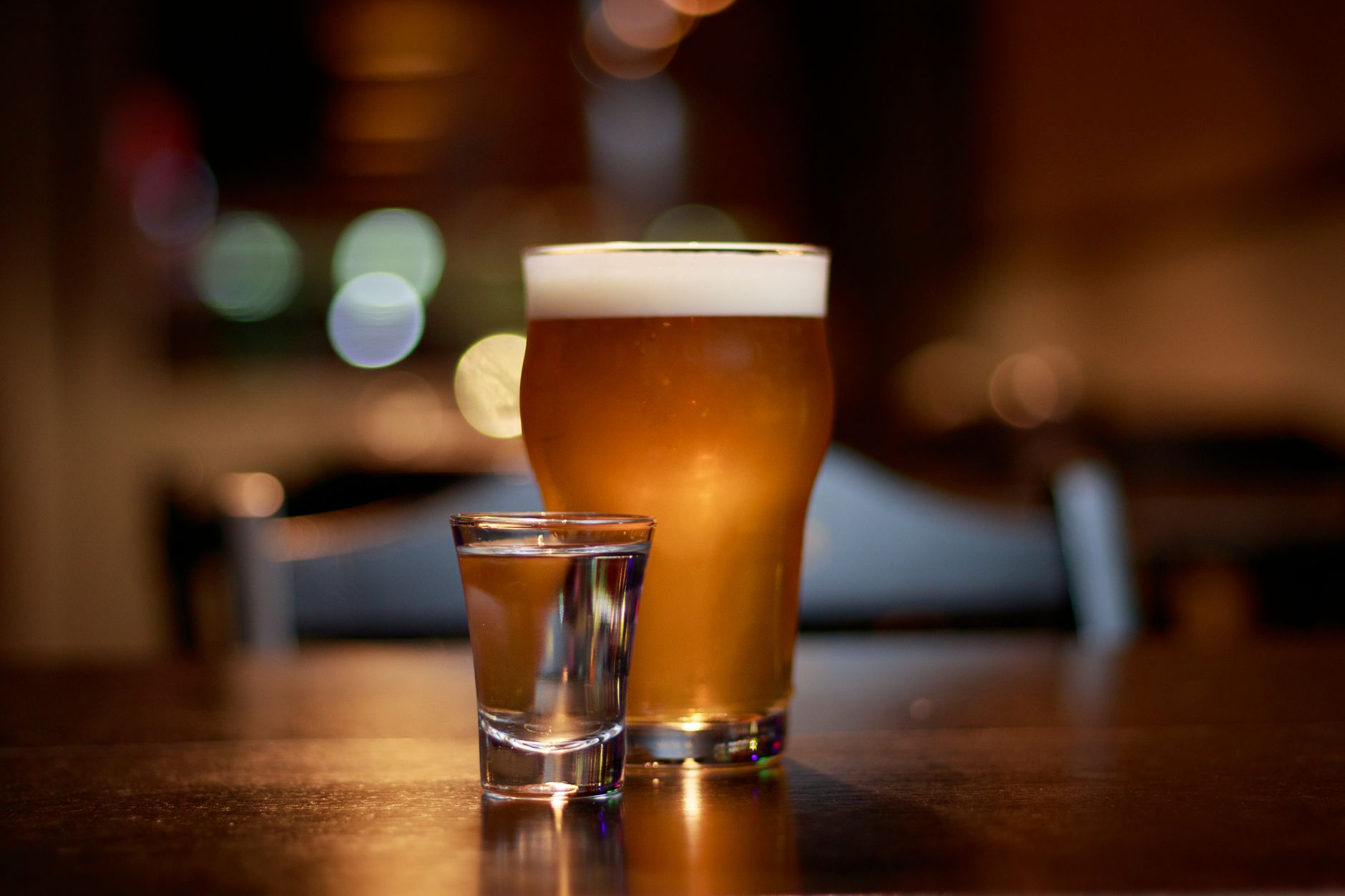
When it comes to alcoholic beverages, vodka and beer are two popular choices that often spark debates about their health implications. Many people wonder: is vodka healthier than beer? The answer is nuanced, involving factors such as calorie count, sugar content, and drinking habits.
This article will explore health differences between vodka and beer, delving into their nutritional profiles, potential benefits, and common kitchen uses. Understanding these factors can help individuals make informed choices about their beverage selections.
Is Vodka Healthier Than Beer?
In general, vodka is lower in calories and does not contain carbohydrates, while beer is higher in calories and often has added sugars. However, the healthiness of either beverage also heavily depends on moderation and overall dietary context. Here are some essential differences to consider.
Nutritional Profiles: Vodka vs. Beer
Understanding the calorie count, sugar levels, and other nutritional factors of vodka and beer helps clarify their health implications.
Caloric Content
Calories in alcoholic beverages mainly come from alcohol itself. Here’s a basic rundown:
- 1. Vodka: A standard 1.5-ounce serving (shots) of vodka typically contains about 97 calories.
- 2. Beer: A 12-ounce serving of regular beer averages around 150 calories, while light beers range closer to 100 calories.
As evident, vodka generally has fewer calories per ounce than beer. However, the total calories can accumulate when consumed in larger quantities or mixed with sugary beverages.
Sugar Content
Sugar significantly impacts calorie counts and how the body processes alcohol. Vodka is considered a zero-carb drink, particularly if it is traditional vodka without flavoring. In contrast:
- 1. Many beers contain carbohydrates that can translate into sugars, affecting blood sugar levels.
- 2. Flavored beers or craft beers can have even higher sugar content, often pushing the calorie count higher.
Other Nutritional Elements
Beyond calories and sugar, the nutritional content can differ significantly between vodka and beer:
- 1. Vodka: It offers fewer nutrients compared to beer. However, it can be consumed straight or in cocktails, allowing for versatility without additional sugars.
- 2. Beer: Contains traces of vitamins and minerals such as B vitamins, potassium, and magnesium due to its ingredients like barley and hops.
Health Benefits and Risks
Examining the potential health benefits and risks associated with vodka and beer can further inform choices.
Potential Benefits of Vodka
- 1. **Low-Calorie Option**: Its lower calorie count makes vodka a choice for those watching their weight.
- 2. **Fewer Carbs**: Alcoholic beverages with low sugar content can be beneficial for individuals monitoring their carbohydrate intake.
- 3. **Mixing Versatility**: Vodka can be mixed with various low-calorie mixers, making it a flexible drink choice.
Potential Benefits of Beer
- 1. **Nutrients**: Beer can provide nutrients like B vitamins, small amounts of protein, and minerals.
- 2. **Lower Alcohol Content**: Regular beers typically contain about 5% alcohol, which may lead to a more moderate intake.
- 3. **Social and Cultural Aspects**: Beer has various cultural associations that can enhance social experiences.
Health Risks
Regardless of choice, excessive consumption poses risks:
- 1. **Alcoholism**: Both vodka and beer can lead to dependency if consumed irresponsibly.
- 2. **Weight Gain**: High-calorie and sugary drinks can contribute to weight gain if not moderated.
- 3. **Health Issues**: Excessive alcohol intake can lead to liver disease, heart problems, and other health complications.
Moderation: The Key to Healthier Choices
Ultimately, moderation plays a crucial role in determining whether vodka or beer is healthier. Consuming either beverage in excess negates any potential health benefits and can lead to detrimental health effects.
Guidelines for Moderation
To incorporate vodka or beer into a balanced lifestyle, consider the following guidelines:
- 1. Aim for one standard drink per day for women and up to two for men, as per dietary recommendations.
- 2. Opt for smaller serving sizes, especially with higher-calorie beverages.
- 3. Choose healthier mixers (for vodka) or lighter beer options when available.
Best Kitchen Uses for Vodka and Beer
Both vodka and beer serve unique functions in the kitchen, from enhancing recipes to crafting drinks. Understanding their uses can expand culinary possibilities.
Cooking with Vodka
Vodka can enhance flavors in various dishes. Here are some key uses:
Flavor Enhancement
Vodka adds depth to sauces and marinades.
- 1. **Vodka Sauce**: A creamy tomato sauce often used with pasta, vodka can elevate the sauce’s complexity.
- 2. **Marinades**: Vodka can help dissolve fat, making flavors penetrate meat more effectively.
Infusions
Vodka can infuse flavors into various fruits and herbs:
- 1. **Fruit Infusions**: Vodka can extract flavors from fresh fruits, creating homemade flavored vodkas for cocktails.
- 2. **Herb Infusions**: Infusing vodka with herbs can create unique flavors for dressings and sauces.
Cooking with Beer
Beer also has its place in culinary applications:
Breading and Batter
Adding beer to batter can create a light and airy texture:
- 1. **Beer Battered Fish**: The carbonation in beer gives fried fish a crisp, fluffy coating.
- 2. **Beer Bread**: Beer can be a leavening agent, yielding delicious bread with a unique flavor.
Flavor Booster
Beer can enhance the taste of many dishes:
- 1. **Stews and Braises**: Using beer in cooking can add depth and richness to savory dishes.
- 2. **Marinades**: Beer acts as a tenderizer and adds flavor to meats.
Cocktail and Beer Pairing Guide
Choosing the right cocktails or pairings can enhance overall drinking enjoyment. Here’s a brief guide to popular vodka cocktails and beer pairings.
Vodka Cocktails
Here are classic cocktails featuring vodka:
- 1. **Vodka Cranberry**: A light and refreshing drink with subtle sweetness.
- 2. **Martini**: A sophisticated choice with gin or vodka, often served with olives.
- 3. **Moscow Mule**: A refreshing cocktail with vodka, ginger beer, and lime, known for its zesty flavor.
Beer Pairings
Choosing the right food to complement beer can elevate any meal:
- 1. **Stout**: Pairs well with rich, hearty dishes like beef stew or chocolate desserts.
- 2. **Pale Ale**: Complements spicy foods and burgers perfectly.
- 3. **Wheat Beer**: Works beautifully with light salads and seafood dishes.
Conclusion
In the debate of whether vodka is healthier than beer, the answer largely depends on personal consumption habits and overall lifestyle. Vodka generally has fewer calories and sugars compared to beer, making it a preferable choice for those mindful of their intake. However, beer has its own set of benefits, including nutrients and cultural experiences.
Ultimately, both beverages can fit within a healthy lifestyle when consumed in moderation. Understanding their uses and nutritional value can help you make informed decisions the next time you reach for a drink. Whether you prefer vodka cocktails or a cold beer, moderation and mindful consumption are key to enjoying your beverage of choice without sacrificing health.
For delicious cocktail recipes, check out our vodka cranberry recipe or make a refreshing lychee martini. Explore these flavor-packed beverages today!