
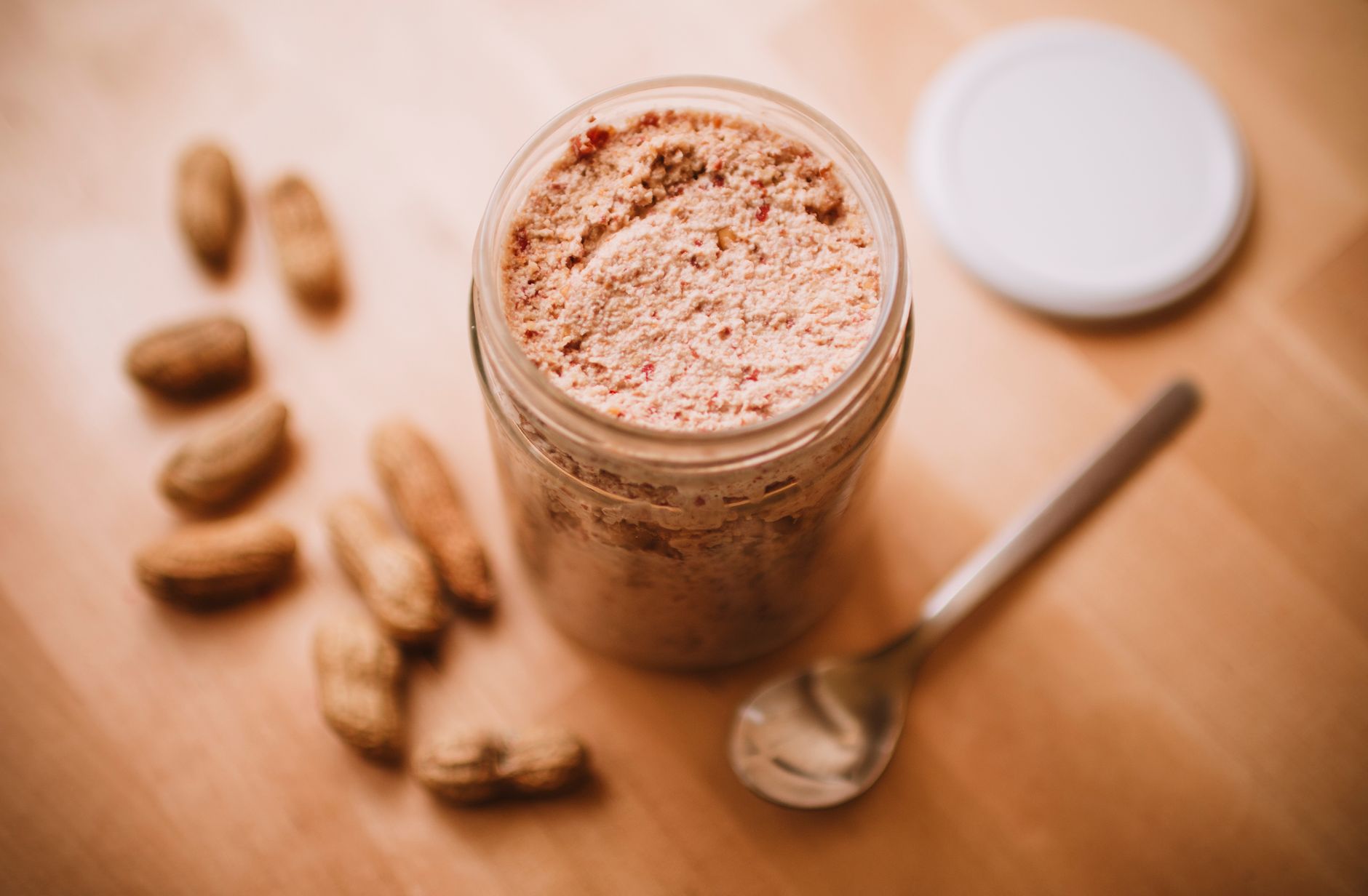
Understanding measurements in cooking can significantly influence your culinary creations. Peanut butter, a household favorite, often appears in recipes ranging from breakfast smoothies to desserts. Knowing how many ounces are in a cup of peanut butter can aid in recipe accuracy and ensure delicious results.
In this article, we’ll explore how many ounces are in a cup of peanut butter and provide additional information on measuring techniques, variations in peanut butter types, and tips for using peanut butter effectively in your cooking adventures.
How Many Ounces in a Cup of Peanut Butter?
There are 8 ounces in a cup of peanut butter. This measurement holds true for both creamy and chunky varieties of peanut butter. Knowing this basic conversion will help make recipes that require precise ingredient measurements easier to follow.
Understanding Peanut Butter Measurements
When measuring peanut butter, it is essential to understand that the density can sometimes lead to confusion. Peanut butter is a dense food, which means the weight does not always correspond to the volume. For this reason, it’s helpful to know not just the ounces per cup but also tips on how to measure it accurately.
Why Accurate Measurements Matter
Accurate measurements are crucial in cooking and baking. In recipes where peanut butter serves as a binding agent, a slight difference can lead to texture or flavor discrepancies. For example, too much peanut butter can make a dish overly rich while too little may result in dryness.
Measuring Techniques for Peanut Butter
Measuring peanut butter can sometimes be tricky due to its sticky texture. Here are some effective methods for measuring:
- Dry Measuring Cups: For most recipes, use an appropriately sized dry measuring cup. Pack the peanut butter into the cup to eliminate air pockets, then level it off with a spatula.
- Liquid Measuring Cups: If your peanut butter is softer or you are measuring a smaller amount, a liquid measuring cup can help. Scoop it directly into the cup, ensuring it reaches the right mark without compressing it.
- Kitchen Scale: For precise measurements, especially in baking, consider using a kitchen scale. Eight ounces will be equivalent to approximately 227 grams of peanut butter.
Types of Peanut Butter
Peanut butter comes in various forms, and understanding these can inform how you use it in your recipes. The type of peanut butter you choose may affect the overall texture and flavor of your dish.
Creamy vs. Chunky Peanut Butter
Creamy peanut butter is smooth and easy to blend into recipes, making it ideal for sauces and dressings. Chunky peanut butter, conversely, contains small pieces of peanuts, adding texture to recipes such as cookies or bars. Both types weigh the same when it comes to measuring by volume.
Natural vs. Processed Peanut Butter
Natural peanut butter contains only peanuts (and often salt) with no added sugars or oils, which can create a different consistency. Processed peanut butter may include added stabilizers, making it smoother and less prone to oil separation. While the weight remains consistent for volume, the presence of added ingredients can alter the taste.
Practical Uses for Peanut Butter
Peanut butter boasts versatility in the kitchen. Here are just a few ways you can utilize it:
Baking
Peanut butter can serve as a key ingredient in numerous baked goods. From cookies to cakes, it can add moisture and flavor.
- Peanut Butter Cookies: The classic recipe often calls for equal parts peanut butter, sugar, and egg. Accurate measurements ensure that the cookies turn out flavorful and chewy.
- Peanut Butter Fudge: For delightful, rich fudge, precise amounts of peanut butter combined with chocolate and sweeteners yield a decadent treat.
- Peanut Butter Muffins: Adding peanut butter to muffin mixes can give a nutty flavor and rich texture.
Breakfast Options
Peanut butter is an excellent addition to breakfast dishes. Here are several ideas:
- Peanut Butter Toast: Spread on whole-grain toast and topped with banana slices or honey.
- Smoothies: Blend peanut butter into smoothies for added protein and a nutty taste.
- Oatmeal: Stirren peanut butter into hot oatmeal for richness and flavor.
Snacks and Treats
Peanut butter can also be used in various snacks and desserts. Here are some tasty options:
- Energy Balls: Combine peanut butter with oats, honey, and chocolate chips for a quick energy snack.
- Peanut Butter Cupcakes: Bake cupcakes with a swirl of peanut butter frosting on top.
- Dip for Fruits and Vegetables: Peanut butter pairs beautifully with apple slices, celery sticks, or carrot sticks for healthy snacking.
Substitutions for Peanut Butter
In certain recipes, peanut butter can be substituted with various alternatives. However, keep in mind that these substitutes may change the flavor and texture of your final product. Here are a few reliable alternatives:
- Almond Butter: A great substitute for those with peanut allergies, it has a similar consistency but a more subtle flavor.
- Sunflower Seed Butter: Another good alternative for nut allergies. It has a unique taste and is slightly less dense.
- Cashew Butter: Known for its creaminess, this nut butter provides similar richness.
- Soy Nut Butter: A soy-based product that can work in any recipe calling for peanut butter while being nut-free.
Conversion Ratios
If you’re substituting peanut butter for another nut or seed butter, keep in mind that you can typically use the same measurement as the original recipe. For example, 1 cup of peanut butter = 1 cup of any other nut or seed butter.
Common Mistakes When Using Peanut Butter
Here are some mistakes to avoid when using peanut butter in your recipes:
- Not Packing Properly: Failing to pack peanut butter correctly into measuring cups can lead to discrepancies in the amount. Always ensure it is tightly packed to avoid variations in measurements.
- Ignoring Temperature: Peanut butter can harden when cold. If using directly from the refrigerator, let it sit at room temperature for a few minutes to soften.
- Assuming Uniformity: Not all peanut butters are created equal. Natural ones may separate; always stir to combine before measuring.
- Overmeasuring: Confirm your measurements to avoid adding too much. Remember, a cup is equivalent to 8 ounces.
Storing Peanut Butter
Proper storage of peanut butter can prolong its shelf life and maintain its flavor and texture. Here are some tips:
- Sealed Containers: Always store peanut butter in an airtight container to prevent it from drying out or picking up odors from other foods.
- Room Temperature vs. Refrigeration: Processed peanut butter can be kept at room temperature, while natural peanut butter is best stored in the refrigerator to prevent oil separation.
- Check Expiration Dates: Always be mindful of expiration dates, especially for natural varieties that do not contain preservatives.
Final Thoughts on Peanut Butter Measurements
Measuring peanut butter accurately is a fundamental aspect of successful cooking and baking. With knowledge of the correct conversions and best practices, you can utilize this rich ingredient confidently.
Whether you’re whipping up a batch of peanut butter cookies, adding a scoop to your smoothie, or preparing a savory sauce, knowing that there are 8 ounces in a cup of peanut butter will keep your recipes on track.
Next time you dive into a peanut butter recipe, remember these measurement tips, utilize the various forms of peanut butter, and experiment with substitutions. Enjoy the delicious flavors and textures that peanut butter brings to your culinary creations.
For more inspiring recipes, check out our peanut butter fudge recipe and our peanut butter granola recipe to explore new ways to incorporate this versatile ingredient into your meals!