
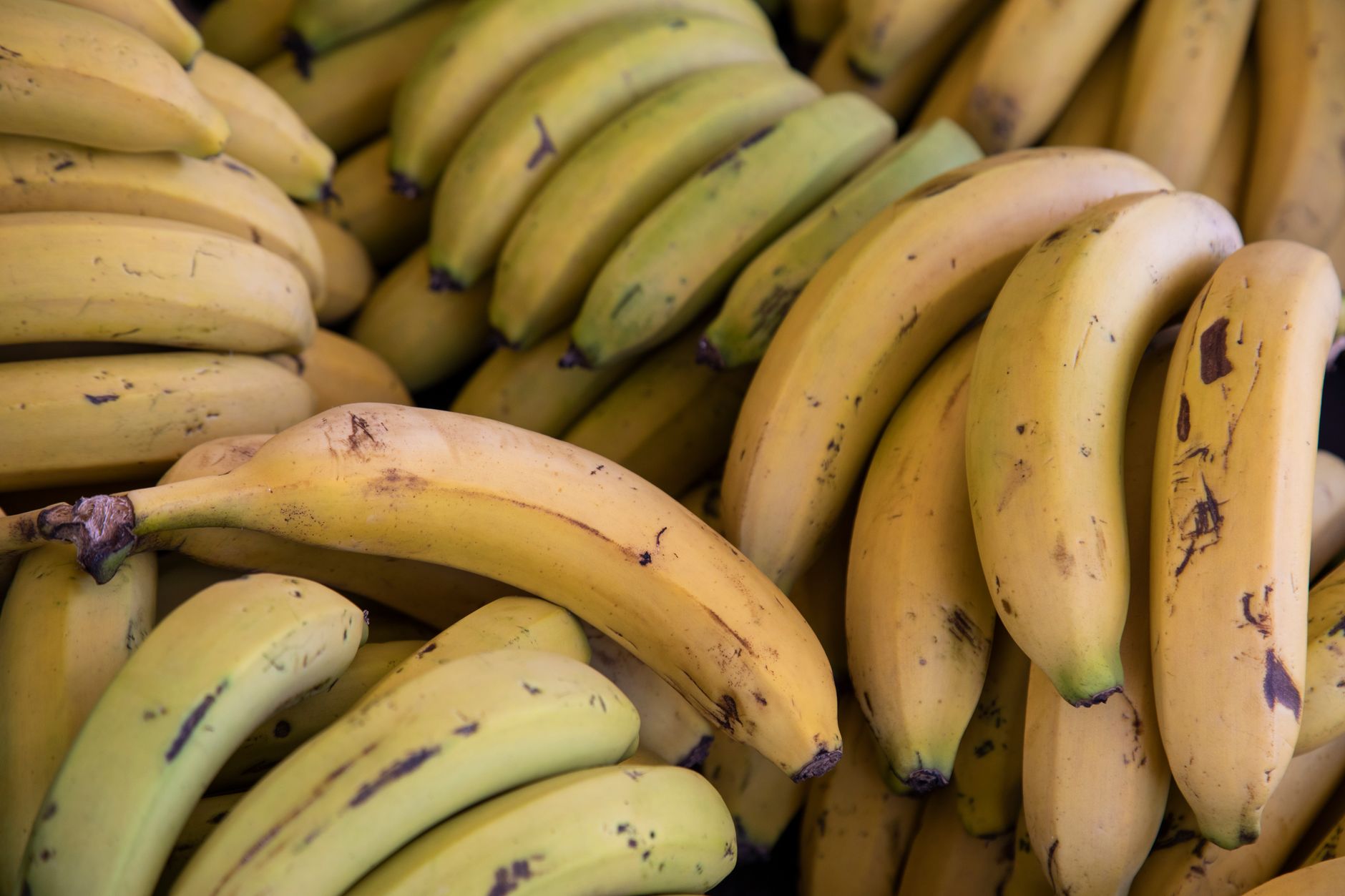
Bananas are one of the most popular fruits around the globe. Known for their convenience and sweetness, they serve as a quick snack option and contribute significantly to a balanced diet. While many fruits can initiate a debate about their nutritional profile, one question frequently arises: how much fat is in a banana?
In this article, we will explore the fat content of bananas, examine their overall nutrition, and discuss how they fit into various dietary needs. We’ll also provide insights on portion control, health benefits, and ways to incorporate bananas into your meals. Whether you’re a banana lover or just curious about its nutritional value, let’s delve into the details.
How Much Fat Is in a Banana?
A medium banana (approximately 118 grams) contains about 0.3 grams of fat. This minimal amount signifies that bananas are inherently low in fat, making them an ideal choice for low-fat diets. In terms of caloric contribution, fat comprises only a small fraction of the overall energy value of a banana.
Understanding Banana Nutrition
Bananas are not only low in fat but also offer a host of other essential nutrients. Here’s a breakdown of the approximate nutritional content in a medium banana:
- Calories: 105
- Carbohydrates: 27 grams
- Sugars: 14 grams
- Fiber: 3 grams
- Protein: 1.3 grams
- Vitamins and Minerals: Potassium (422 mg), Vitamin C (10% of the daily value), Vitamin B6 (20% of the daily value)
This nutritional profile shows that while bananas are low in fat, they are rich in important vitamins and minerals, making them a valuable component of a balanced diet.
The Health Benefits of Bananas
Incorporating bananas into your diet comes with many health benefits beyond their low-fat content:
- High in Potassium: Bananas are one of the best sources of potassium, an essential mineral that helps regulate fluid balance, muscle contractions, and nerve signals.
- Digestive Health: The dietary fiber in bananas promotes healthy digestion and regularity, potentially alleviating issues like constipation.
- Natural Energy Boost: Their high carbohydrate content, primarily in the form of sugars and starches, makes bananas an excellent source of quick energy, ideal for athletes or those needing an energy boost.
- Mood Enhancer: Bananas contain tryptophan, which the body converts into serotonin, a neurotransmitter that helps regulate mood and stress.
Portion Control and Serving Suggestions
While bananas are healthy, portion control is essential, especially if you are monitoring calorie or carbohydrate intake. A medium banana is recommended as a standard serving size. Here are some ideas for how to enjoy bananas:
- As a Snack: Eat a banana on its own for a quick energy boost.
- In Smoothies: Blend bananas with your favorite fruits and yogurts for a creamy smoothie.
- With Oatmeal: Slice a banana on top of oatmeal or cereal for enhanced flavor and nutrition.
- Baking: Use ripe bananas as a natural sweetener in baking recipes like banana bread or muffins.
- In Salads: Add slices of banana to fruit salads or green salads for a sweet contrast.
Potential Dietary Considerations
While bananas are suitable for most people, they may not be ideal for everyone. Here are a few considerations:
- Weight Management: If you are on a calorie deficit diet, be mindful of the sugars in bananas and monitor portion sizes.
- Diabetes: For individuals with diabetes, it’s crucial to consider carbohydrate intake. While bananas have a low glycemic index, eating them in moderation is advisable.
- Allergies: Although rare, some people may have sensitivities or allergies to bananas. If you experience adverse reactions, consult a healthcare professional.
How Do Bananas Compare to Other Fruits?
To better understand the fat content and nutritional value of bananas, it can be beneficial to compare them to other common fruits:
| Fruit | Fat (grams per 100g) | Calories (per 100g) |
|---|---|---|
| Banana | 0.3 | 89 |
| Apple | 0.4 | 52 |
| Orange | 0.2 | 47 |
| Avocado | 15.0 | 160 |
This comparison table showcases that bananas are among the lowest in fat content when compared to other popular fruits, making them an excellent choice for low-fat diets.
Common Banana-Related Questions
Many people have questions regarding bananas and their nutrition. Here are a few frequently asked questions:
Are Bananas High in Sugar?
Bananas do contain sugar, with about 14 grams in a medium-sized banana. However, the sugars found in fruits come packaged with fiber, vitamins, and minerals, making them a healthier choice compared to processed sugars.
Can I Freeze Bananas?
Yes, bananas can be frozen. It is best to peel them first and place them in airtight bags or containers. Frozen bananas make excellent additions to smoothies or can be used in baking.
What Happens If You Eat a Banana Every Day?
Eating a banana daily can be beneficial due to its rich nutrient profile. However, moderation is key. Balance it with various other fruits and vegetables in your diet to ensure you get a broad spectrum of nutrients.
Storage Tips for Bananas
Proper storage can help manage the ripening process of bananas:
- Room Temperature: Store bananas at room temperature until they reach your desired ripeness.
- Avoid Refrigeration: Bananas should not be kept in the refrigerator until they are fully ripe, as the cold can hinder ripening.
- Separate From Other Fruits: Keep bananas away from other fruits to slow down the ripening process, as they produce ethylene gas that can accelerate ripening.
Incorporating Bananas into Your Meal Plan
Adding bananas to your meal plan can enhance flavor, provide essential nutrients, and contribute to dietary diversity. Here are some practical meal-planning ideas:
Breakfast:
- Top whole-grain toast with peanut butter and banana slices.
- Add banana and nuts to overnight oats for a satisfying breakfast.
Lunch:
- Create a fruit salad with mixed berries, banana, and yogurt.
- Add sliced bananas to a spinach salad with nuts and vinaigrette for a refreshing twist.
Dinner:
- Include banana slices as a topping on grilled chicken for a sweet touch.
- Try a banana curry, combining bananas with spices and coconut milk for a unique flavor profile.
Dessert:
- Blend frozen bananas into banana ice cream for a healthy dessert.
- Bake banana bread or muffins using ripe bananas for natural sweetness.
Conclusion
Bananas are a low-fat, nutritious fruit that can easily be incorporated into various meals throughout the day. With their minimal fat content, rich potassium, and dietary fiber, bananas provide energy and support digestive health. Remember to use them in moderation and as part of a balanced diet. Explore different ways to enjoy bananas in your meals, and don’t hesitate to get creative!
For more insights on bananas, check out information on fiber in bananas and learn more about what a banana is.