
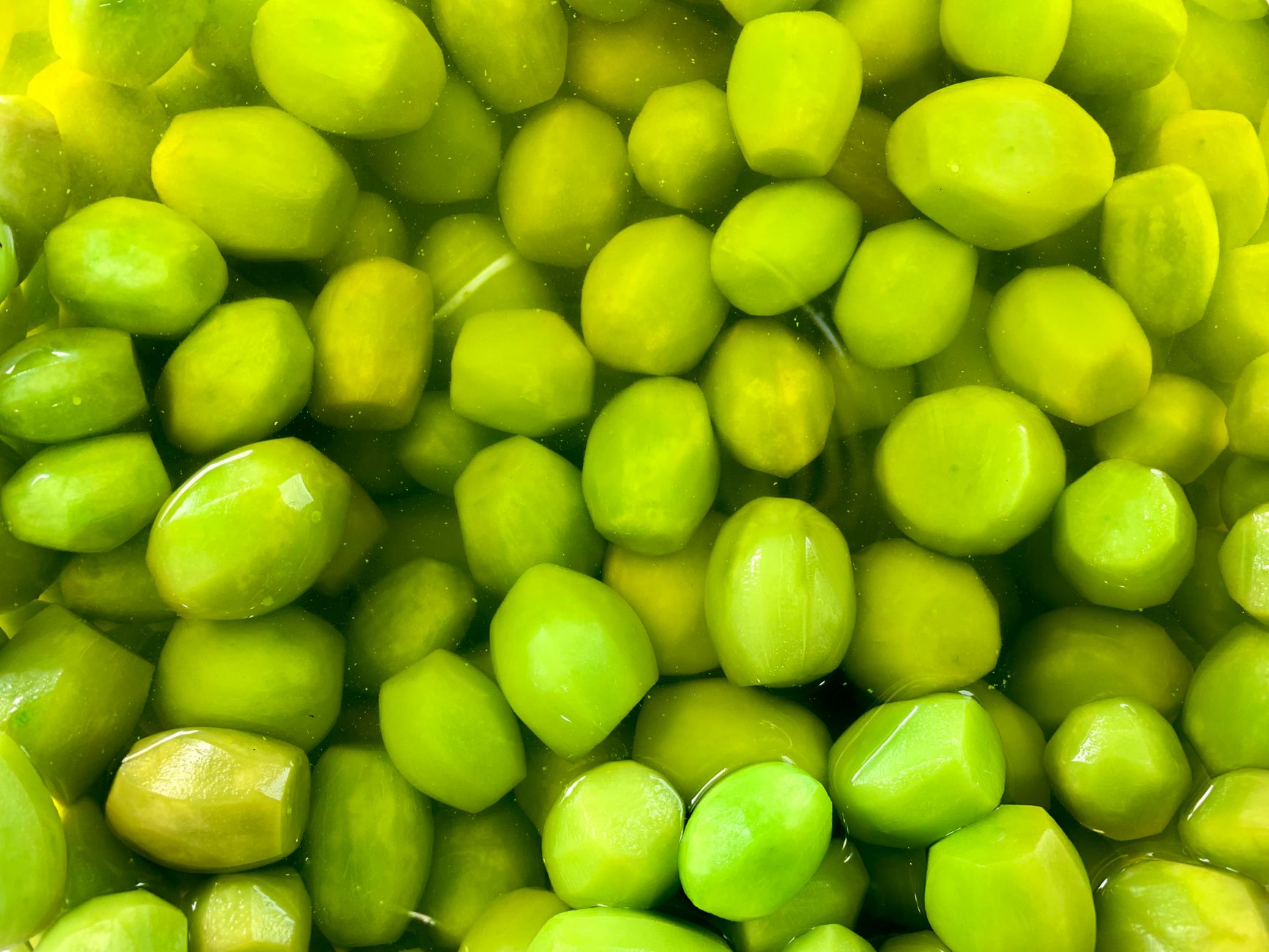
Olives are a versatile and flavorful ingredient often used in Mediterranean cuisine. From salads to tapenades, their unique taste and texture can elevate various dishes. They are not only pleasing to the palate but also offer numerous health benefits, making them a popular choice for those seeking nutritious ingredients.
This article explores what olives can do for you, focusing on their taste, texture, culinary uses, and the health benefits they bring to your diet. Whether you enjoy them as a snack or incorporate them into meals, understanding olives can enhance your cooking and meal-planning experience.
What Do Olives Do for You?
Olives are rich in flavors, provide a unique texture, and offer various culinary applications that make them a valuable addition to many dishes. They can enhance your meals with their taste while also promoting health.
Understanding the Flavors and Textures of Olives
Olives come in many varieties, each offering distinct flavors and textures. The taste of olives can range from mild and buttery to intense and peppery, depending on the type, ripeness, and curing process. Their chewy, often firm texture adds a satisfying bite to dishes, complementing other ingredients.
Types of Olives
- Green Olives: These olives are harvested before they ripen and have a firmer texture with a more bitter taste. Common varieties include Manzanilla and Castelvetrano.
- Black Olives: Black olives are fully ripe and possess a softer texture and milder flavor. Varieties like Kalamata and Nicoise are popular for their fruity undertones.
- Kalamata Olives: These dark purple olives have a robust flavor, making them a staple in Greek cuisine.
- Castelvetrano Olives: Known for their sweet, buttery flavor and firm texture, these green olives are highly sought after.
Curing Processes
Olives undergo curing to make them palatable, as raw olives can be quite bitter. The curing methods primarily include:
- Brine Curing: Olives are submerged in a saltwater solution, which ferments them and reduces bitterness.
- Dry Curing: This involves packing olives in salt, drawing out moisture and intensifying their flavors.
- Lye Curing: Olives are soaked in lye solution, which removes bitterness quickly but must be followed by thorough rinsing.
Health Benefits of Olives
In addition to their culinary uses, olives are also packed with nutrients that can contribute to a healthy diet:
Nutritional Profile
Olives are low in carbohydrates and calories while being a source of healthy fats, particularly monounsaturated fats. They also contain vitamins E and K, iron, and antioxidants, which can help protect against oxidative damage.
Healthy Fats
The monounsaturated fats in olives can promote heart health by reducing bad cholesterol levels. This can result in a lower risk of heart disease when included as part of a balanced diet.
Antioxidants
Olives are rich in antioxidants such as oleuropein, which can help combat inflammation. Antioxidants play a crucial role in reducing the risk of chronic diseases.
Anti-Inflammatory Properties
Regular consumption of olives and olive oil is linked with decreased inflammation, which is beneficial for conditions like arthritis and other inflammatory diseases.
Culinary Uses of Olives
Olives can be used in various dishes, enhancing flavor and texture. Here are some popular culinary applications:
Salads and Bowls
Olives are a fantastic addition to salads, bringing briny notes that can enhance fresh greens, grains, and proteins.
Tapenade
Tapenade is a savory spread made primarily from olives, capers, and anchovies. It can be served as an appetizer or used as a condiment.
Pasta Dishes
Incorporating olives into pasta not only adds flavor but also enhances the overall texture. Consider using them in Mediterranean-style pasta dishes.
Pizza and Flatbreads
Olives can be used as a topping for traditional pizzas or flatbreads, adding both flavor and visual appeal.
Marinades and Dressings
Olive oil made from olives acts as an excellent base for dressings and marinades, providing both taste and health benefits.
Snacks
Olives can be enjoyed as a snack on their own or with cheese and crackers for a tasty grazing platter.
How to Choose and Store Olives
Selecting high-quality olives can significantly impact your cooking. Here are tips for choosing and storing them properly:
Choosing Olives
When selecting olives, consider the following:
- Look for plump, firm olives without wrinkling or blemishes.
- Check the packaging for information on the curing method, as this can influence flavor.
- Consider buying olives from a deli or specialty store for higher quality options.
Storing Olives
Proper storage can maintain the quality of olives:
- In Brine: Store unopened jars in a cool, dark place. Once opened, keep them submerged in brine in the refrigerator, where they can last several weeks.
- Dry Cured Olives: These should be stored in a sealed container in a cool, dry place. Consume within two weeks of opening.
Practical Olive Substitutions
If you find yourself fresh out of olives, several substitutes can mimic their flavor profile in recipes:
Substitutes for Olives
- Capers: They provide a similar briny flavor and are great for tapenade or dishes needing a tangy kick.
- Pickles: For crunch and tanginess, pickles can offer a contrasting texture in salads or wraps.
- Artichoke Hearts: While milder in taste, they can provide a similar texture and are great in Mediterranean dishes.
Adjusting Recipes
When substituting, keep in mind the flavor profiles may differ. Adjust seasoning accordingly for balance in your dish.
Troubleshooting Common Mistakes with Olives
Here are some common pitfalls when working with olives and how to avoid them:
Too Salty
If you find olives too salty, consider rinsing them under cold water before using them in your dish.
Unpleasant Bitterness
If fresh olives taste bitter, check the curing method. Ensuring they are brined or cured properly can help avoid this issue.
Overcooked Dishes
Olives can become mushy when overcooked. Add them towards the end of cooking to maintain their texture and flavor.
Serving Suggestions
To make the most of olives in your cooking, try these serving ideas:
- Scatter olives over roasted vegetables for an umami kick.
- Add to grain bowls with quinoa or farro for added depth.
- Incorporate into sauces for meat dishes to enhance flavor.
Make-Ahead Guidance
Olives can be part of meal prep or planning scenarios. Here are some tips:
- Prepare tapenade ahead of time; it often tastes better after the flavors meld for a day or two.
- Include olives in meal prep containers for quick salad additions.
- Create marinated olives by infusing them with herbs and spices for a simple yet flavorful snack.
Conclusion
Olives are more than just a tasty addition—they are a versatile ingredient capable of transforming dishes with their flavor and health benefits. Their rich taste and various uses make them an essential item in the kitchen. Explore the different types of olives, incorporate them into your meals, and enjoy their culinary possibilities.
To delve deeper into the world of olives, check out how to substitute avocado oil for olive oil, or discover a delicious olive salad recipe.