
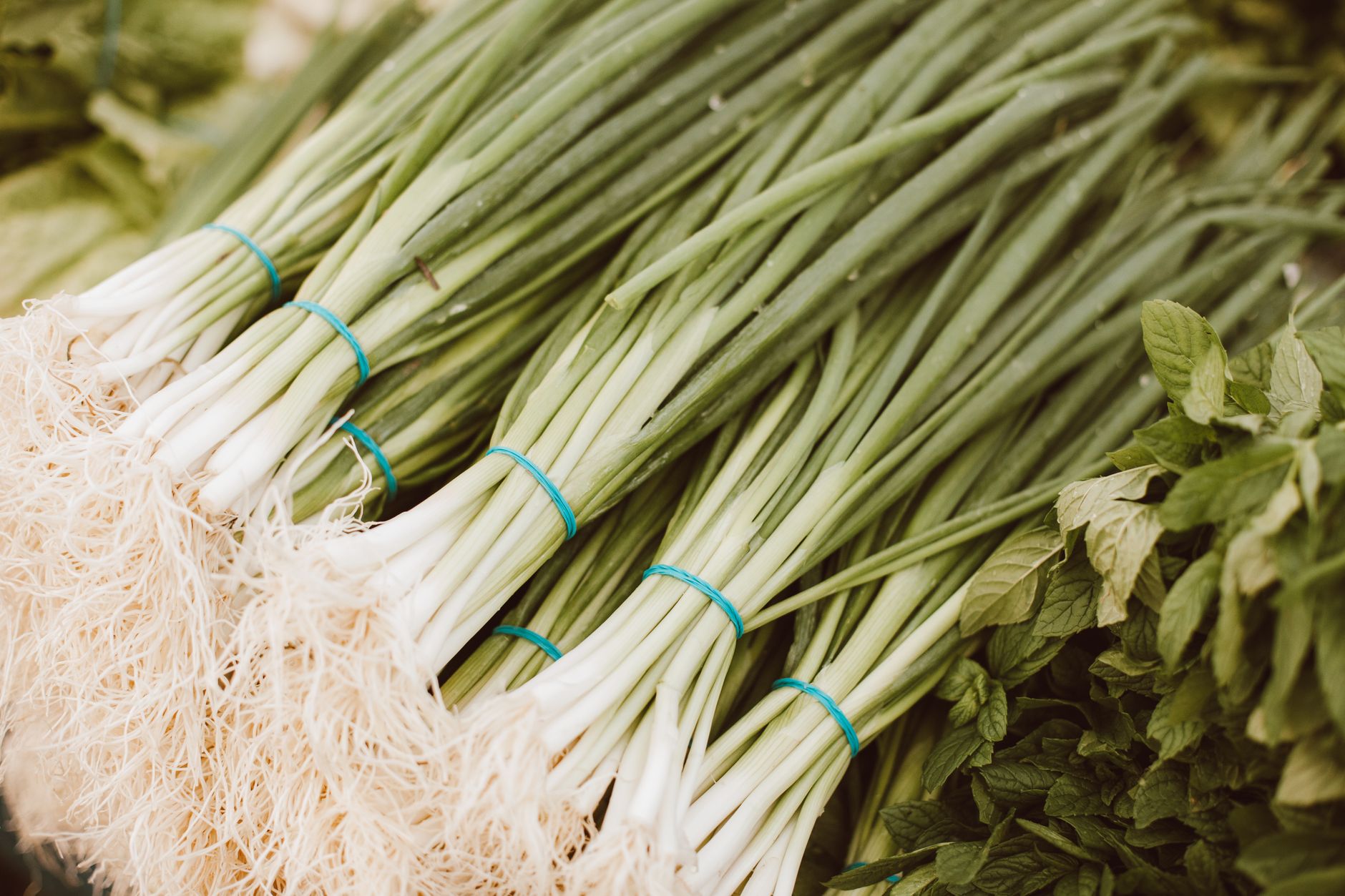
Green onions and scallions are terms that are often used interchangeably in cooking, leading to confusion in ingredient lists and recipes. Understanding the differences between these two alliums can help in selecting the right ingredient for your culinary needs. This article will clarify whether green onions and scallions are truly the same or if there are notable distinctions.
By examining their characteristics, culinary uses, flavors, and preparation methods, you will learn when to use each ingredient for optimal results in your dishes. Let’s dive deeper into the world of green onions and scallions.
Is Green Onion the Same as Scallion?
In short, green onions and scallions are commonly viewed as the same due to their similar appearances and culinary uses, but there are differences based on specific varieties. Both belong to the Allium family, and they can often be used interchangeably in cooking. However, they have unique characteristics that may affect flavor and texture in certain dishes.
Understanding Green Onions
Green onions (Allium fistulosum) refer to a type of onion that has not fully matured. They are also known as spring onions in many parts of the world. Green onions are characterized by their long green stalks and white bulbs, which are both edible.
Characteristics of Green Onions
- Aroma: Mild onion scent, less pungent than mature onions.
- Flavor: Mild and slightly sweet, particularly in the green tops.
- Appearance: Long, slender green tops with a small bulb at the end.
- Texture: Crunchy and crisp, particularly in the white portion.
Culinary Uses of Green Onions
Green onions are versatile and can be used in a wide range of dishes:
- Garnishing soups and salads
- As an ingredient in stir-fried dishes, adding a crisp texture
- In dips, dressings, and spreads for flavor enhancement
- Raw in tacos and burritos for added freshness
Understanding Scallions
Scallions (Allium schoenoprasum) are often confused with green onions but are subtly different. While they share similar appearances, scallions have a more delicate taste, making them ideal for specific applications in cooking.
Characteristics of Scallions
- Aroma: Mild and somewhat grassy, less pungent than regular onions.
- Flavor: Sweeter and more subtly flavored compared to green onions.
- Appearance: More uniform in size, with white bulbs that may be slightly larger than green onions.
- Texture: Tender and slightly less crisp than green onions.
Culinary Uses of Scallions
Scallions are often preferred in recipes that require a milder onion flavor:
- In salads, where their delicate flavor shines
- In sauces and dressings for a subtle hint of onion
- As a garnish, adding a pop of color without overwhelming the dish
- In omelets and quiche for a light onion taste
Key Differences Between Green Onions and Scallions
While they may appear similar and often serve similar purposes, here are the key differences between green onions and scallions:
Flavor Profile
Green onions tend to have a stronger, more pronounced onion flavor, especially in their white bulbs, while scallions offer a mild, sweet flavor profile that is more subtle.
Texture
Green onions are typically crispier due to their larger white bulbs and firmer green tops. Scallions, on the other hand, are tender and softer, which may limit their use in dishes that benefit from extra crunch.
Availability
In many grocery stores, you may find green onions more readily available than scallions. However, both can usually be found in the produce section, especially in markets with a wide selection of fresh herbs and vegetables.
Uses in Culinary Practices
Green onions are frequently used in cooked dishes that require a stronger onion flavor, while scallions may be better suited for dishes that require raw components or mild flavor profiles. Consider the specific flavors you want in your dish before choosing one over the other.
Choosing the Right Ingredient for Your Recipe
When deciding between green onions and scallions, consider these factors:
- Flavor requirement: If you want a more pronounced onion flavor, opt for green onions. If a mild addition is needed, choose scallions.
- Crunch vs. tenderness: For added texture in cooked dishes, green onions are a better choice.
- Cooking method: Use green onions in stir-fries and sautéed dishes, while scallions are excellent in salads and cold dishes.
Practical Examples
Here are some practical examples of when to use each ingredient:
- Green Onions: Perfect for garnishing Asian noodle dishes or in fried rice where a stronger onion flavor is welcome.
- Scallions: Ideal for topping fresh avocado toast or inclusion in fresh salsas.
How to Prepare Green Onions and Scallions
Preparation methods for green onions and scallions are quite similar and straightforward. Here are steps to clean and prepare them:
Cleaning
- Rinse under cold water to remove any dirt or grit.
- Pat dry with a clean kitchen towel or paper towel.
Trimming
- Using a sharp knife, trim off the root end of the bulb.
- For green onions, cut off the dark green tops, leaving about an inch to use. For scallions, you can typically use the entire stalk.
Slicing
- Slice the green parts into thin rounds, using a sharp knife or kitchen scissors.
- For the white bulb, slice into thin rounds or dice, depending on the recipe requirements.
Practical Substitutions
If you cannot find green onions or scallions, several substitutes can work. Here are practical alternatives:
- Chives: Similar in texture and milder in flavor, chives can replace scallions effectively in salads and garnishes.
- Soybean sprouts: They provide a crunchy texture similar to green onions when added to salads and stir-fries.
- Leeks: Sautéed leeks can work as a base for dishes that call for green onions, though they have a distinct flavor.
- Shallots: When tender, shallots can provide a milder, sweet flavor akin to scallions.
Tips for Storing Green Onions and Scallions
Proper storage can help maintain the freshness of your green onions and scallions. Here are some practical storage tips:
Short-term Storage
- Place green onions or scallions in a glass of water, covering the roots, and store them in the refrigerator. This method keeps them fresh for a week.
- Wrap them in a damp paper towel and store in a produce bag in the vegetable drawer of your fridge.
Long-term Storage
- For longer storage, consider freezing. Chop them and place them in an airtight container or freezer bag. They will lose their crunch but still retain flavor when used in cooked dishes.
- You can also dehydrate green onions or scallions for flavoring in dried dishes.
Conclusion
While green onions and scallions can be used interchangeably in many recipes, understanding their differences will allow you to choose the right one for your dish. Whether you prefer the stronger flavor and crunch of green onions or the mild taste and tenderness of scallions, keep these distinctions in mind to enhance your cooking experience.
To expand your culinary repertoire, consider trying recipes featuring various onion types, such as a creamed onion dish or scalloped corn. Explore these delicious options to make the most of your cooking adventures.